跳到内容
跳到内容 
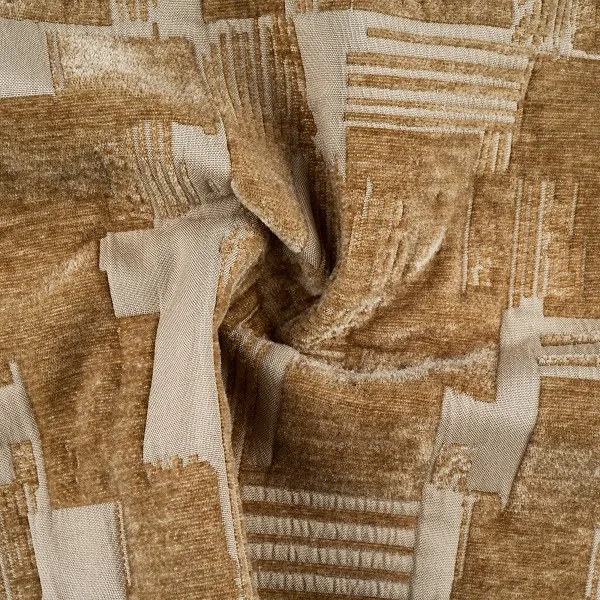
Outdoor fabric is a category of engineered textiles designed to withstand environmental stressors such as UV radiation, moisture, and temperature fluctuations. It is typically made from synthetic fibres such as acrylic, polyester, or olefin.
Studies on textile weathering confirm that prolonged outdoor exposure significantly degrades untreated fabrics, reducing their strength and durability. This is why specialised coatings and fibre technologies are essential. Ultimately, the defining feature of outdoor fabric is its performance under real-world outdoor conditions, rather than its appearance.
Introduction: Why Outdoor Fabric Matters More Than Ever
Outdoor environments are some of the most challenging testing grounds for textiles. Sunlight, rain, humidity, abrasion, and microbial growth can destroy ordinary fabrics in just weeks or months. This is why outdoor wear fabrics have evolved into a highly specialised segment of technical textiles.
Unlike indoor fabrics, which prioritise aesthetics and comfort, outdoor fabrics must balance durability, resistance, and performance longevity. According to recent textile engineering insights, outdoor fabrics are designed to withstand environmental stress while retaining their structural integrity and appearance over time.
As industries such as outdoor furniture, marine applications, and performance apparel continue to grow, so does the demand for highperformance outdoor textiles. Suppliers such as SOHO FABRIC are therefore focusing more and more on advanced material engineering to meet these evolving requirements.
What Is Outdoor Wear Fabric? (Technical Definition)
Outdoor wear fabric refers to performance-engineered textiles that are specifically designed to withstand prolonged exposure to the elements, including sunlight, rain, wind, and biological agents.
These fabrics are typically:
- constructed from synthetic fibres such as polyester, acrylic, or olefin;
- enhanced with chemical coatings or treatments;
- designed with tight weaves or layered structures.
Unlike conventional textiles, outdoor fabrics are judged primarily by functional performance metrics rather than just comfort or appearance.

Core Properties of Outdoor Fabric
Outdoor fabrics are defined by a combination of performance characteristics. These properties determine how well a fabric performs in real-world applications.
Key Performance Characteristics
| Property | Description | Why It Matters |
| UV Resistance | Ability to resist sunlight degradation | Prevents fading and fiber breakdown |
| Water Resistance | Repels or resists moisture penetration | Keeps fabric dry and prevents damage |
| Mold & Mildew Resistance | Prevents microbial growth | Extends lifespan in humid environments |
| Colorfastness | Retains color under exposure | Maintains visual quality |
| Breathability | Allows air circulation | Enhances comfort in apparel |
| Abrasion Resistance | Withstands friction and wear | Essential for outdoor gear durability |
Outdoor fabrics must combine all these properties to perform effectively. For example, UV resistance is often considered the most critical factor because ultraviolet radiation directly breaks down fiber structures over time.
Water Resistance vs Waterproofing
| Type | Water Protection Level | Typical Use |
| WaterRepellent | Resists light rain | Outdoor clothing |
| WaterResistant | Handles moderate rain | Cushions, covers |
| Waterproof | Fully blocks water (3000mm+) | Tents, extreme gear |
Outdoor fabrics often use coatings like PU or PVC to enhance water resistance, or rely on hydrophobic fibers such as polyester and nylon.
Common Materials Used in Outdoor Fabric
Outdoor wear fabric is not a single material—it is a category composed of several highperformance fibers.
Main Fiber Types
| Material | Key Features | Typical Applications |
| Polyester | Durable, affordable, good UV resistance | Furniture, apparel |
| Acrylic (Solutiondyed) | उत्कृष्ट color retention, UV stability | Premium outdoor cushions |
| Olefin (Polypropylene) | Lightweight, moisture-resistant | Marine fabrics |
| Nylon | Strong, abrasion-resistant | Outdoor gear, backpacks |
| PVC-coated fabrics | Waterproof, heavyduty | Covers, tents |
Among these, solution-dyed acrylic stands out because the pigment is embedded into the fiber itself, significantly improving colorfastness and durability.
How Outdoor Fabric Differs from Indoor Fabric?
| Feature | Outdoor Fabric | Indoor Fabric |
| UV Resistance | High | Low |
| Water Resistance | Yes | Minimal |
| Durability | High | Moderate |
| Maintenance | Easyclean, stainresistant | More delicate |
| Lifespan | 3–10+ years | 1–3 years |
Standard fabrics like untreated cotton degrade rapidly outdoors due to moisture absorption and UV exposure, often failing within a single season.
Manufacturing Technologies Behind Outdoor Fabrics
Modern outdoor clothing relies on advanced textile engineering.
- Solution dyeing:
Colour is added during fibre production rather than after weaving, resulting in:
- Superior UV resistance
- Long-lasting colour retention
- Coatings and finishes
PU (polyurethane) coatings for waterproofing
Fluorocarbon treatments for stain resistance
Antimicrobial finishes to prevent mould
- Fibre engineering
Manufacturers design fibres with:
- hydrophobic surfaces
- UV stabilisers
- high tensile strength
These innovations explain why high-quality outdoor fabrics can last for years under harsh conditions.
Applications of Outdoor Wear Fabric
In textile engineering, outdoor fabrics are designed to be durable, weather-resistant, and high-performing. Their versatility means they can be used in a variety of industries where exposure to sunlight, moisture, and mechanical stress is constant.
- Outdoor furniture
Common uses:
- Cushions
- Upholstery
- Umbrellas
Key requirements:
- UV resistance to prevent fading
- Water repellency and quick drying
- Mold and mildew resistance
Result:
Long-lasting comfort and appearance in outdoor environments.
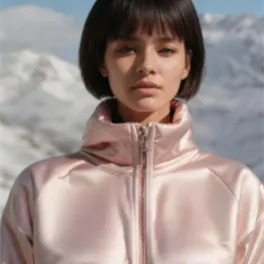
- Outdoor apparel
Applications:
- Jackets
- Hiking gear
- Sportswear
Performance features:
- Breathability and moisture management
- Wind and water resistance
- Lightweight durability
Benefit: Enhanced comfort and protection for outdoor activities.
- Industrial and marine
Typical uses:
- Boat covers
- Awnings
- Protective tarpaulins
Material advantages:
- High tensile strength
- Resistance to saltwater, chemicals, and harsh weather
- Longterm durability under continuous exposure
- Architectural textiles
Applications:
- Tensile structures
- Shade sails
Key properties:
- Structural strength
- UV-blocking capability
- Design flexibility for large-scale installations
Impact:
Combines functionality with modern architectural aesthetics.
Industry Trends (2026–2030)
The outdoor textile industry is evolving rapidly.
- Sustainable outdoor fabrics:
- Recycled polyester
- Biobased coatings
- Smart fabrics
- Temperature-regulating textiles
- Moisture-responsive fibres
- Lightweight performance materials
- Improved breathability
- Reduced weight without sacrificing strength
Suppliers like SOHO FABRIC are adapting to these trends by integrating sustainability and performance into their product lines.
How to Choose the Right Outdoor Fabric?
Selecting the right outdoor fabric requires balancing performance, durability, and aesthetics according to your specific requirements. In textile engineering, material selection is always context-driven — what works for furniture may not be suitable for apparel or marine use, for example.
- Key selection criteria
Exposure level (sun, rain, humidity)
Why it matters:
- UV exposure causes fading and degradation
- Moisture leads to mould and mildew
What to look for:
- High UV resistance for sunny climates
- Water-repellent or waterproof coatings for rainy environments
- Mould-resistant treatments for humid regions
Required durability
Consider:
- Frequency of use
- Mechanical stress (e.g., seating, outdoor gear, industrial use)
Best choices:
- High-denier fabrics for heavy-duty applications
- Reinforced weaves for long-term performance
- Aesthetic requirements
Factors:
- Colour retention
- Texture and feel
- Design compatibility
Tip:
Choose fabrics that maintain their appearance even after prolonged exposure.
Maintenance needs
Ask yourself: Is the fabric easy to clean?
Does it require special care?
Best practice:
Select low-maintenance fabrics for high-use environments.
- Practical tips:
Choose solution-dyed fibres.
Why:
The colour is embedded into the fibre, not just surface dyed.
Benefits:
- Superior fade resistance
- Longer-lasting appearance
- Look for UV resistance ratings.
What to check:
UV protection levels (often indicated by testing standards).
Result:
- Better durability and colour stability in outdoor conditions.
- Prioritise mould resistance in humid climates.
This is especially important for:
- Tropical or coastal regions
- Prevents odour, staining, and material degradation
- Balance breathability vs waterproofing
Tradeoff: fully waterproof fabrics may reduce airflow, while breathable fabrics may allow some moisture penetration
Solution:
- Choose based on use:
- Apparel: more breathable
- Covers/awnings: more waterproof
Common Mistakes to Avoid
Even small oversights when selecting outdoor fabrics can lead to premature wear, higher maintenance costs, and poor performance. In textile engineering, selecting the wrong material can result in longterm issues that could have been avoided.
- Using indoor fabric for outdoor use
The mistake:
Using standard indoor textiles in outdoor environments
Why it fails:
- Lack of UV protection
- Poor resistance to moisture and mould
Result:
Rapid fading, degradation, and reduced lifespan
Better approach:
Always select fabrics that are specifically engineered for outdoor conditions.
- Ignoring UV resistance
The mistake:
Overlooking sun exposure as a critical factor
Problem: UV rays break down fibres and fade colours over time
Impact:
Loss of appearance and structural integrity
Solution:
Choose fabrics with high UV resistance or solution-dyed fibres.
- Overlooking maintenance requirements
The mistake:
Not considering cleaning and upkeep needs
Consequences:
- Difficult maintenance
- Faster buildup of dirt, mould, or stains
Best practice:
Select fabrics that are easy to clean and resistant to mildew.
- Selecting based on price alone
The mistake:
Choosing the cheapest option without evaluating performance
Hidden costs:
Shorter lifespan → frequent replacement
Higher longterm expense
Better approach:
Focus on value over price, considering durability and performance.
FAQ: Outdoor Wear Fabric
Q1: What is the best fabric for outdoor use?
Solution-dyed acrylic and high-quality polyester are widely considered the best due to their durability, UV resistance, and color retention.
Q2: Is outdoor fabric waterproof?
Not always. Many outdoor fabrics are water-resistant rather than fully waterproof, depending on coatings and construction.
Q3: How long does outdoor fabric last?
High-quality outdoor fabric can last 3–10 years or more, depending on exposure and maintenance.
Q4: Can outdoor fabric be used indoors?
Yes, and it often offers better durability and stain resistance than standard indoor fabrics.
Q5: What makes outdoor wear fabric different from regular fabric?
Outdoor fabrics are engineered with UV protection, water resistance, and antimicrobial properties, unlike regular textiles.
Conclusion
Outdoor fabric is more than just a material; it is a highperformance textile solution designed to be durable, resilient, and long-lasting. Defined by its resistance to UV radiation, moisture, and environmental wear, outdoor fabric plays a critical role in modern living, from furniture to clothing.
As technology advances and sustainability becomes a priority, the future of outdoor textiles will focus on smarter, greener, and more adaptable materials. To ensure longterm value and reliability, businesses and buyers alike should prioritise quality and performance by working with trusted suppliers like SOHO FABRIC.