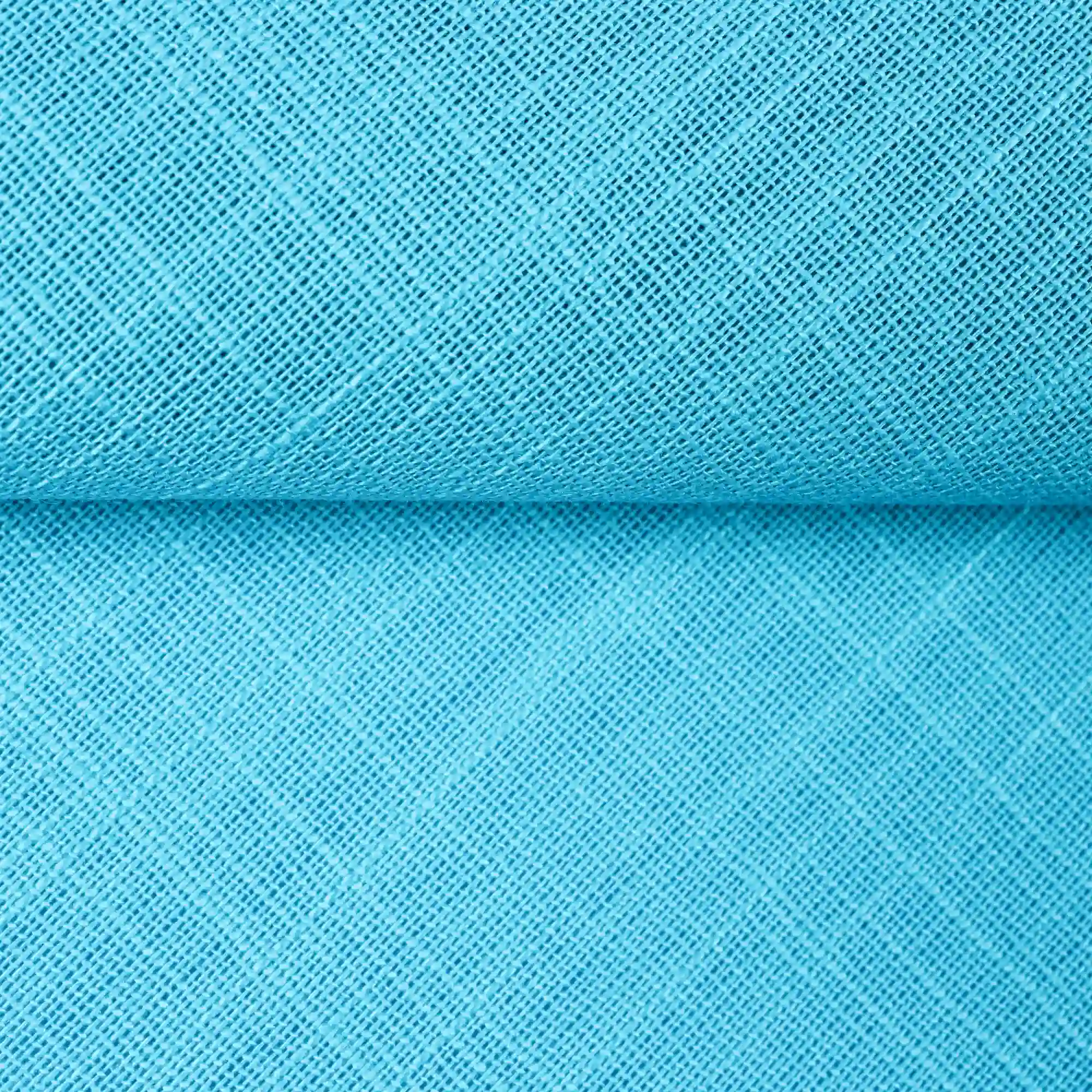
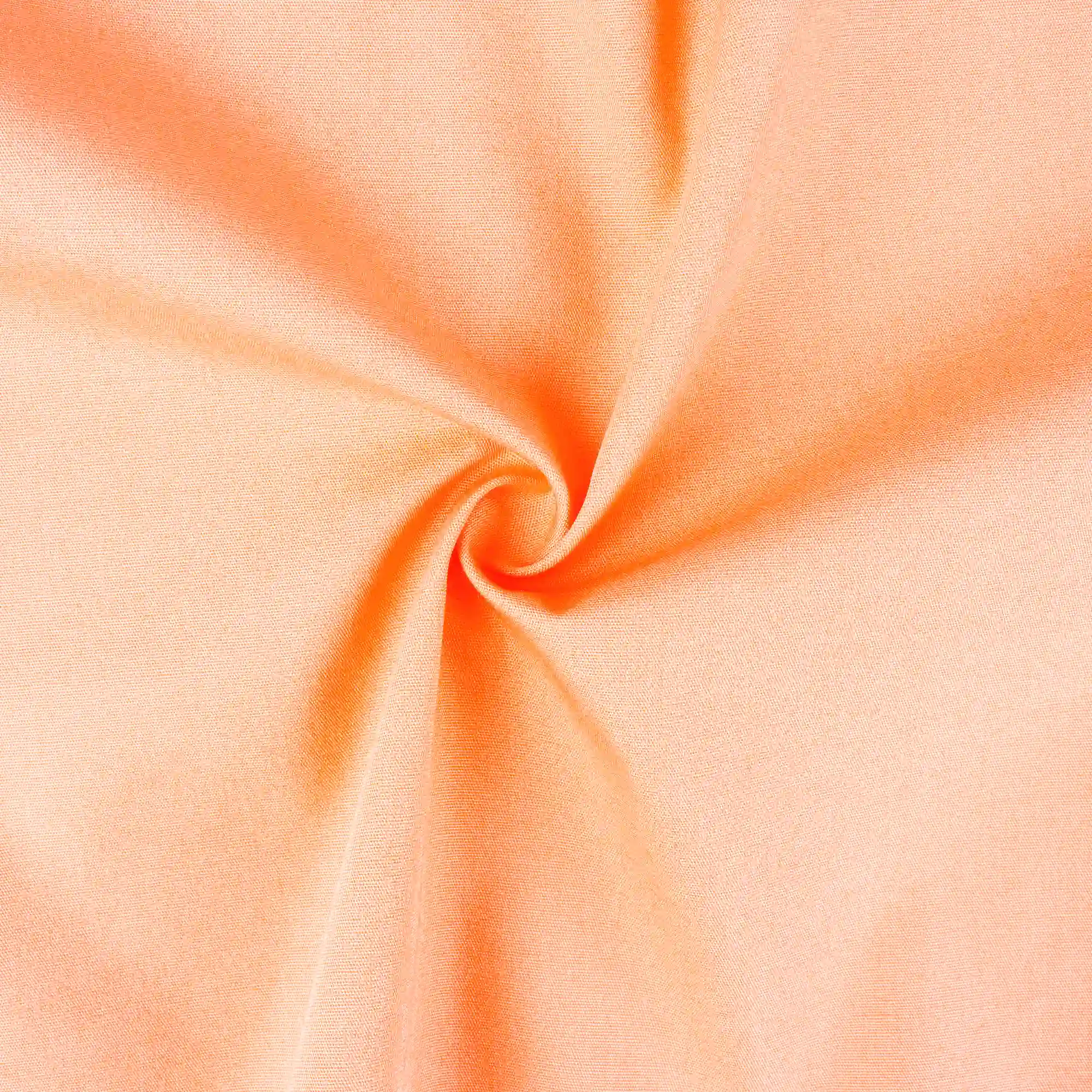
Learn the difference between cotton and slub fabric by comparing their texture, appearance, comfort, durability, and common applications to choose the best material for your clothing and textile needs.
Discover what taffeta fabric feels like by exploring its crisp texture, smooth surface, lightweight structure, and subtle sheen, making it a popular choice for formalwear, bridal gowns, and decorative textiles.
Explore the different types of poplin fabric, including cotton, polyester, silk, and blended variations, to understand their textures, durability, breathability, and best uses in fashion and everyday textiles.
Yes, muslin fabric is an excellent choice for embroidery thanks to its soft, breathable weave and versatility, making it ideal for everything from delicate hand stitching to detailed machine embroidery projects.
Oxford fabric is a versatile material suitable for both summer and winter, with its seasonal comfort depending on fiber composition, weave density, and garment design, making it a popular choice for shirts, uniforms, outdoor gear, and everyday apparel year-round.
Taffeta fabric is widely used for formal wear, wedding dresses, evening gowns, linings, costumes, and decorative applications because of its crisp texture, elegant sheen, and ability to hold structured shapes beautifully.
Muslin is a lightweight, loosely woven cotton fabric known for its soft texture, breathability, and versatility, making it commonly used for clothing prototypes, summer garments, baby products, and household textiles.
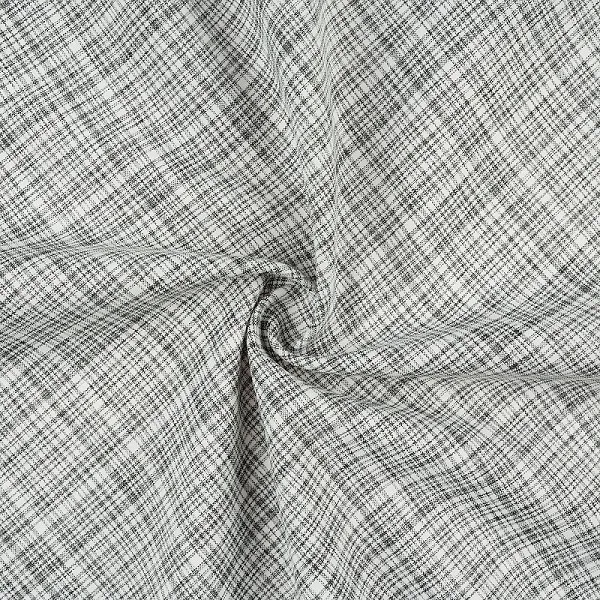
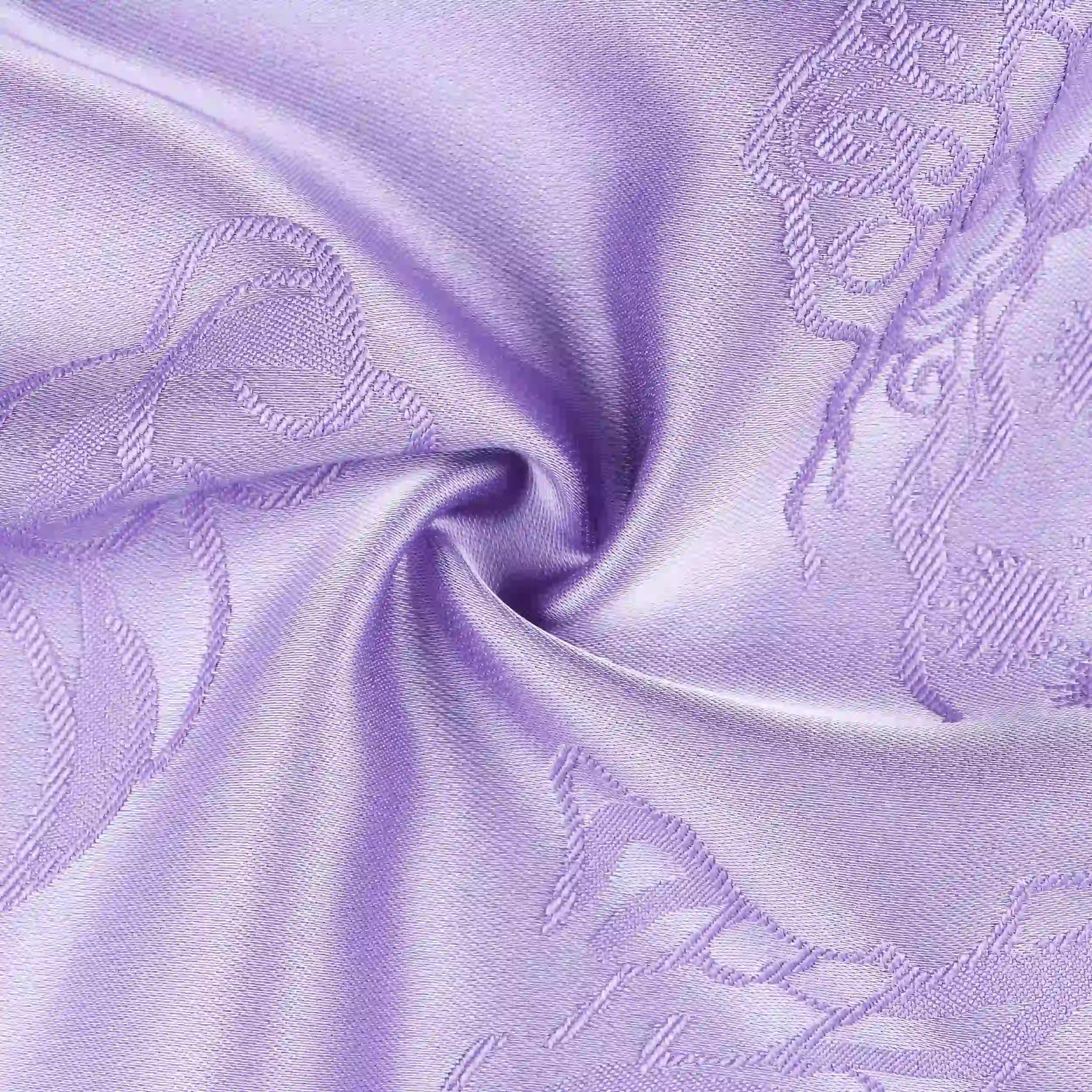
Jacquard fabric can be very comfortable against the skin, especially when made from natural fibers such as cotton, silk, or bamboo, offering a soft feel, breathability, and elegant texture while maintaining durability and visual appeal.
The 139th Canton Fair (China Import and Export Fair) is a major international trade exhibition held in Guangzhou, China, running from April 15 to May 5, 2026, at the Pazhou Complex.
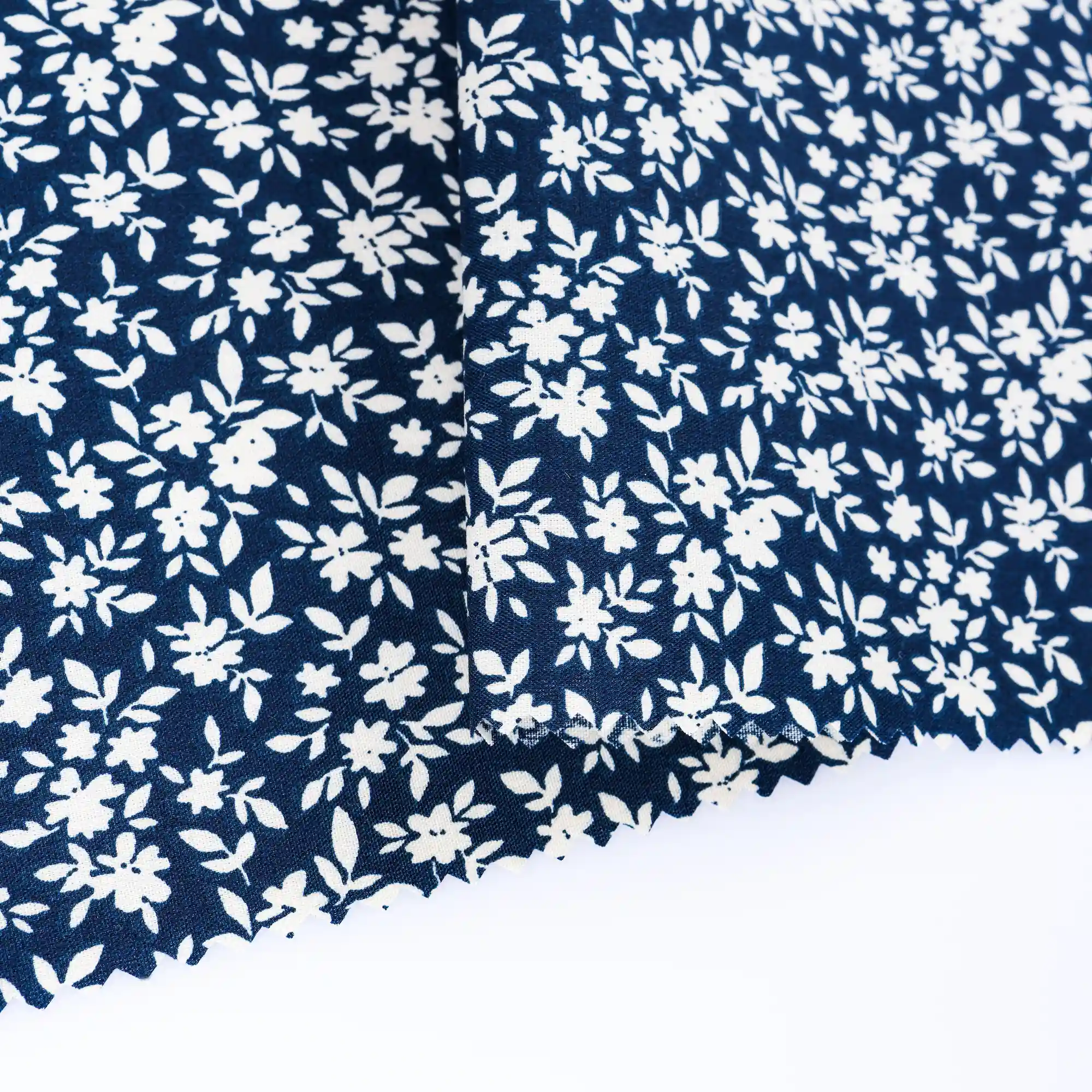
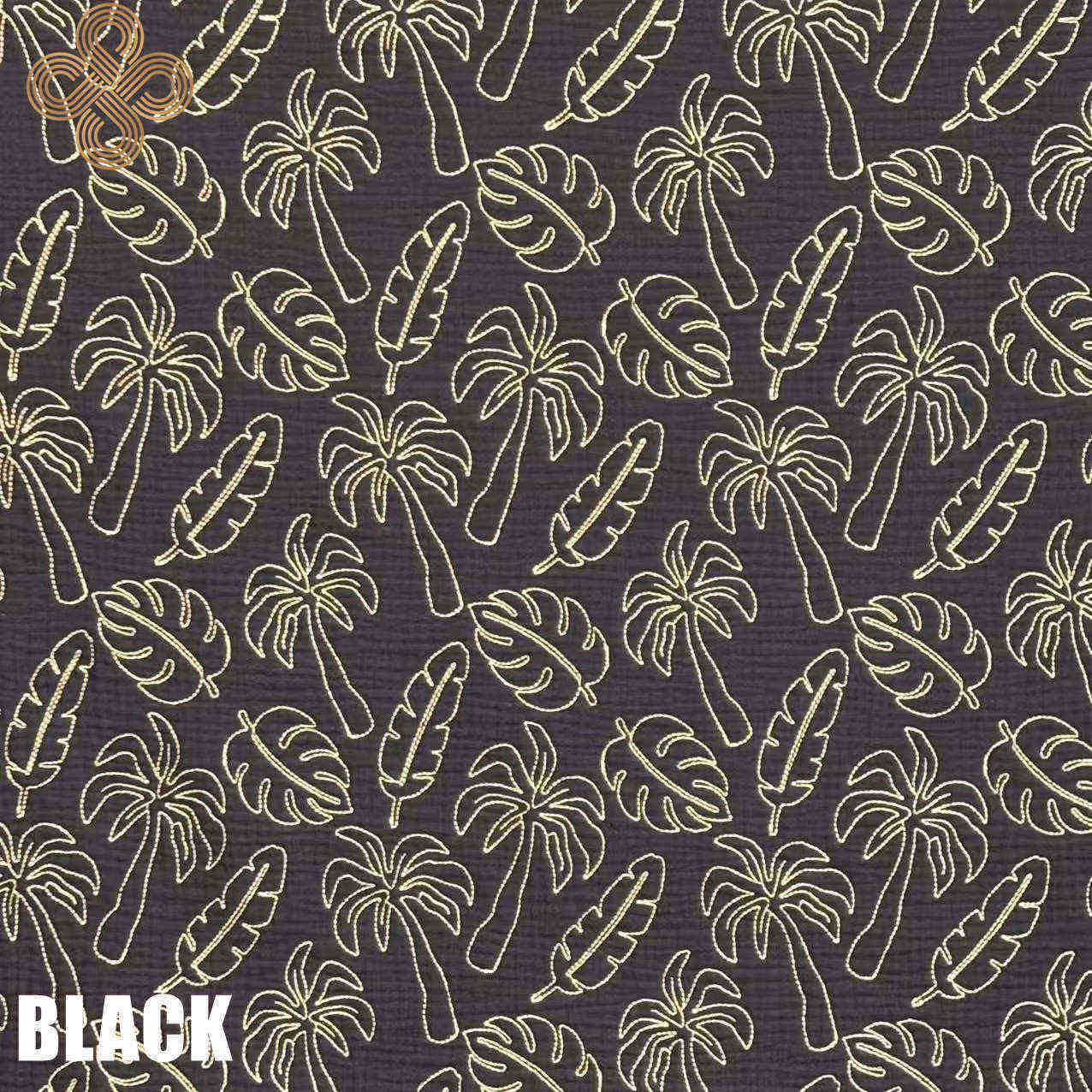
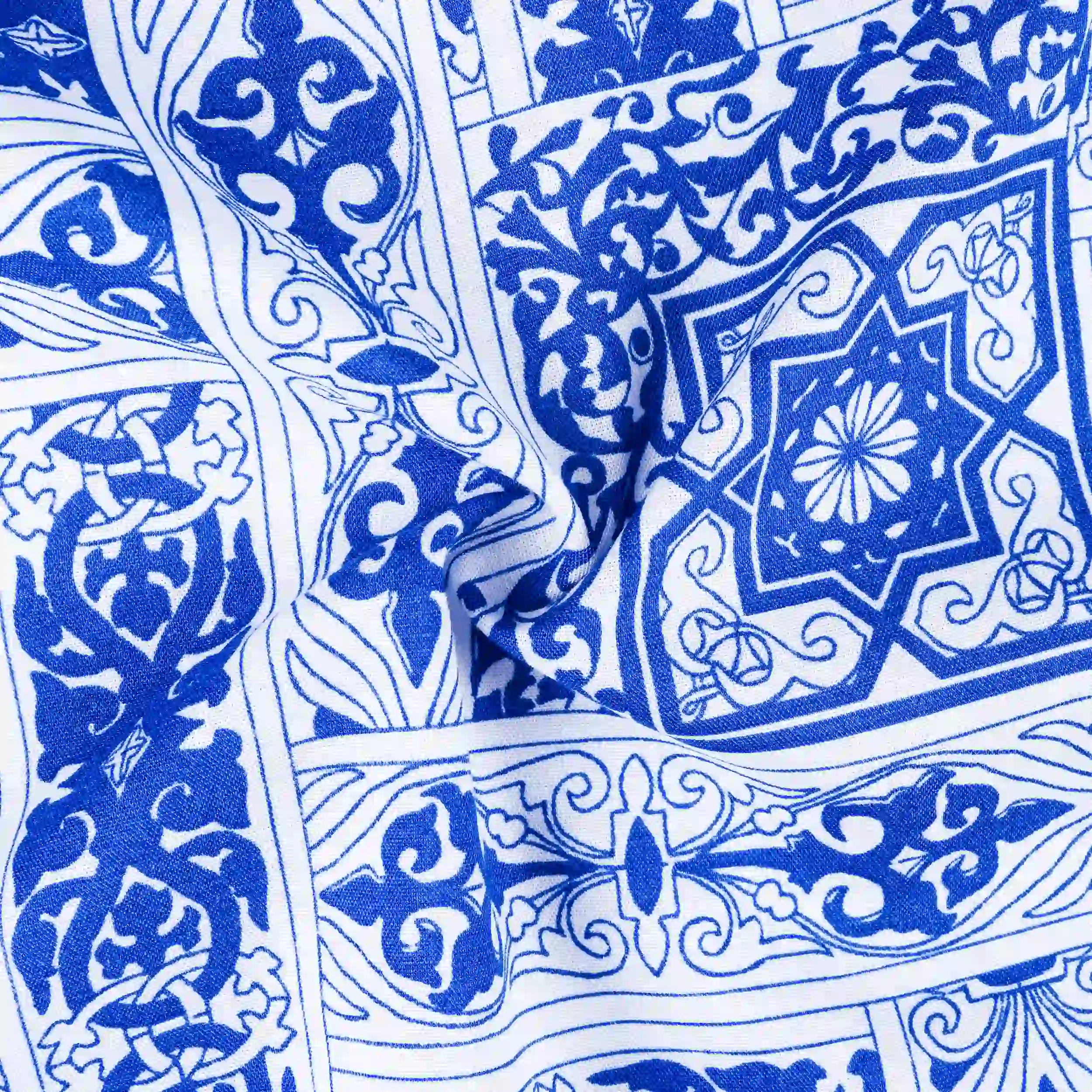
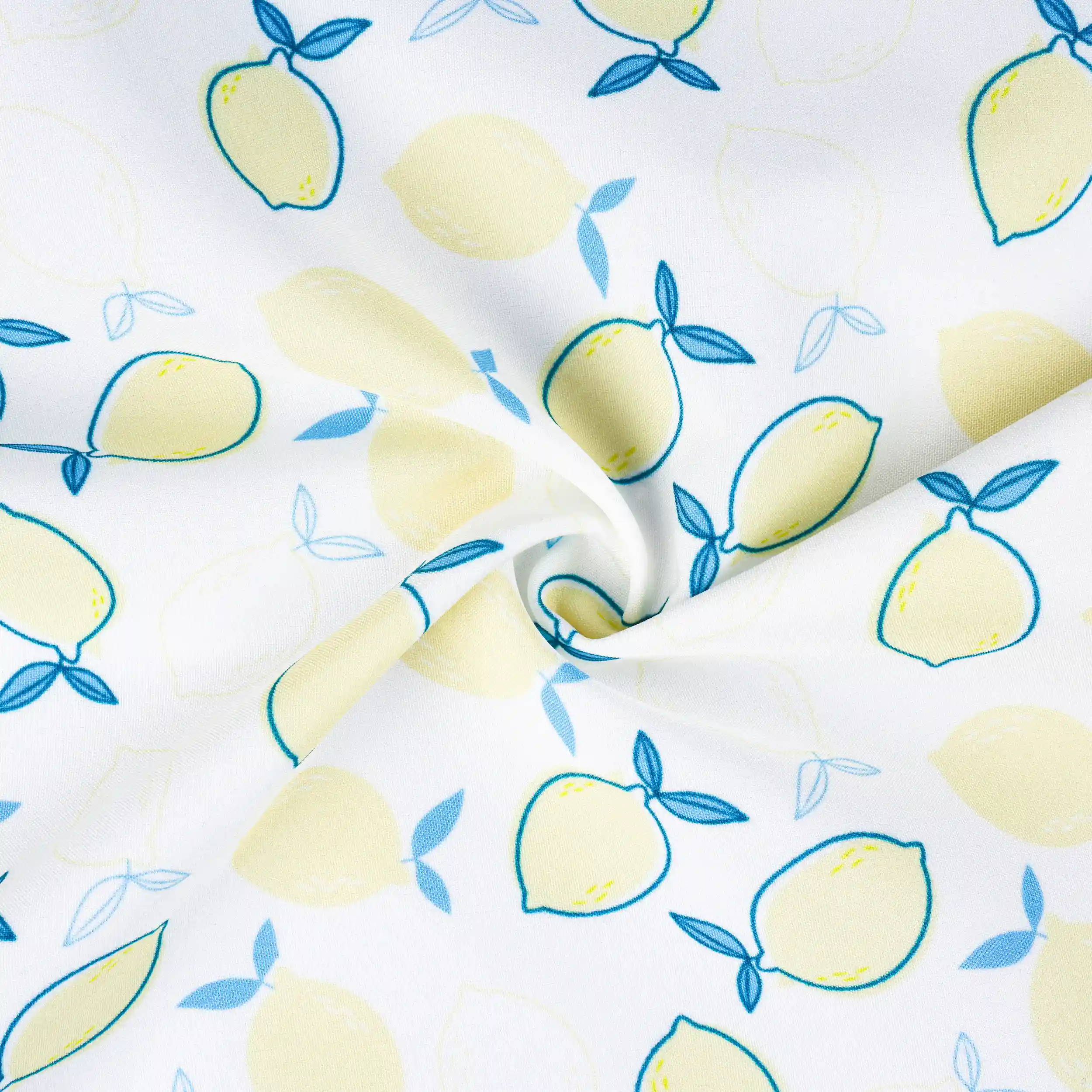
Printed fabric refers to textile material that has patterns, colors, or designs applied to its surface through printing techniques such as digital printing, screen printing, or heat transfer, allowing for a wide range of decorative and customized styles.

 跳到内容
跳到内容