跳到内容
跳到内容 
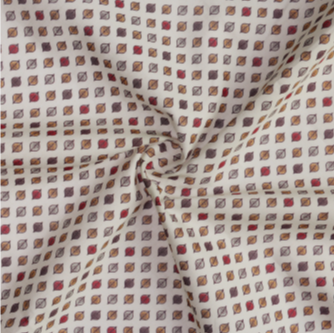
Few materials are as classic as the test of time, like cotton. Whether it’s basic white dress shirts or easy summer oxfords, cotton shirt fabric is one of the most classic, reliable, and sustainable fabrics in the apparel world.
So why is cotton such a staple for shirts? How is it made, finished, and graded for quality? And what should one look for when choosing cotton shirting for your wardrobe or production line?
This article will cover all the basics about cotton, such as fiber science, finishing techniques, main specifications, and buying tips, as accurately and in as much depth as expected in an SEO guide for professional textiles.
What Is Cotton Shirt Fabric?
Cotton shirt fabric means a woven or knitted textile material mainly from cotton fiber used for making men’s and women’s shirts of any style- formal, casual, or fashion-forward.
Cotton belongs to the natural cellulose fibers and is obtained from the seed boll of a cotton plant. The fibers undergo spinning into yarns which may be woven or knitted to produce fabric, breathable, soft, and absorbent material, with an easy-to-dye finish and easy to sew.
Common types of cotton shirt fabrics include:
- Poplin (Broadcloth): Smooth and tightly woven, perfect for formal shirts.
- Oxford: A slightly heavier weave, ideal for smart-casual wear.
- Twill: Diagonal weave, strong and wrinkle-resistant.
- Chambray: Lightweight and denim-like in appearance, good for casual shirts.
- Sateen: Lustrous surface, often used in premium collections.
Cotton’s versatility is what makes it dominate the global shirting market — whether you’re buying a $25 fast-fashion shirt or a $250 bespoke Italian-made piece.

Why Choose Cotton Shirt Fabric?
Cotton rules not by accident — it gives a feel, shows performance, and natural beauty that synthetic fibers are yet to match.
-
Comfort and breathability
Cotton fiber permits the circulation of air, thereby assisting in the regulation of body temperature. That is why shirts made of cotton always feel cool during hot seasons and comfortable in moderate climates.
-
Moisture absorption
It can absorb up to about 25% of its weight in moisture without even feeling wet, very ideal for normal wearing.
-
Softness and Skin Friendliness
Cotton is at origin hypoallergenic and so soft on the skin, thus great for sensitive people or for use over long periods.
-
Versatility
From formal weaves that are crisp to flannels that are brushed, cotton can take on different looks because of the many ways it can be woven, dyed, and finished.
-
Sustainability
Compared to fully synthetic fibers like polyester, cotton is biodegradable and renewable, especially when organically sourced.
Cotton vs. Blended or Synthetic Shirt Fabrics
To appreciate cotton’s value, it helps to compare it against polyester blends, nylon, and other synthetics.
| Property | 100% Cotton | Poly-Cotton Blend (65/35) | 100% Polyester |
| Comfort | Soft, breathable, skin-friendly | Fair comfort | Often less breathable, feels synthetic |
| Wrinkle Resistance | Wrinkles easily | Moderate | Excellent |
| Durability | Strong, especially in wet state | Good | Very high |
| Moisture Management | Excellent absorption | Moderate | Poor (repels moisture) |
| Heat Resistance | High — suitable for ironing | Medium | Can melt under heat |
| Sustainability | Natural & biodegradable | Partial | Non-biodegradable |
| Look & Feel | Natural texture, matte | Smooth | Glossy, sometimes plastic-like |
Verdict: Cotton wins for comfort, sustainability, and natural feel — while synthetics win in wrinkle resistance and maintenance.
That’s why many modern shirts use cotton-rich blends (e.g., 80% cotton + 20% polyester) to combine both advantages.
Finishing Processes for Cotton Shirt Fabrics
After weaving, cotton fabrics receive various finishing processes to improve their look, feel, and performance.
-
Wrinkle-Free (Easy-Care) Finish
A chemical treatment that creates cross-links between cellulose molecules so the fabric can keep its smoothness after washing. It is found in business shirts that show high use with low ironing needed.
-
Anti-Wrinkle Finish
It is a lighter version of wrinkle-free processing, presenting moderate crease resistance yet retaining the softness.
-
Soft Finish
Special softeners (silicone-based or bio-polishing enzymes) impart a silky, supple hand to the fabric͏ without any loss of strength.
-
Brushed or Napped Finish
Surface brushing raises fine fibers͏, creating a flannel-like feel͏, warmer and softer ͏for winter shirts.
-
Mercerization (Silk Finish)
The premium finish is done by applying caustic soda to the cotton while under tension, thus increasing strength, sheen, luster, and affinity for dyes. Shirts made of mercerized cotton will bear a slight luster with more depth of color.

Key Specifications When Evaluating Cotton Shirt Fabric
Some basic yet crucial parameters are shared below with a brief explanation of each one.
-
Yarn Count (Ne, Tex, or CC)
This should indicate the fineness of the yarn, and the higher it is, the finer the weaving and the lighter the fabric.
- 40s–60s: Standard casual shirts
- 80s–120s: Fine business shirts
- 140s-200s: Super sheer shirting
-
Weave Type
Each weave affects texture, strength, and formality.
- Plain Weave (Poplin): Lightweight, plain-woven, smooth, and crisp
- Twill Weave: Diagonally woven, slightly heavyweight, but does not crease that much
- Herringbone: This pattern has a zig-zag twill design. It’s both stylish and elegant.
Weight (g/m²)
Grams per square meter; will determine drape and seasonal use.
- <100–130 g/m² = Light summer shirting
- 140–170 g/m² = All season dress shirts
- 180+ g/m² = Winter/ flannel styles
-
Thread Density (Warp/Weft Density)
The higher the density, the tighter the weave, the smoother the surface, and often the better quality.
-
Shrinkage
Cotton naturally shrinks after wash;; pre-shrunk fabrics usually have <3% shrinkage.
-
Colorfastness
To washing, to light, and to perspiration. A good quality cotton shirting will give a rating of 4 and above on the grey scale (1-5 rating).
-
Handle/Hand Feel
The tactile sensation varies by fiber length, weave, and finishing — premium grades are described as “soft,” “crisp,” “buttery,” or “cool.”
-
Wrinkle Resistance
Modern finishes allow for wrinkle recovery equal to that before treatment.
-
Certifications (Sustainability)
Environmentally conscious consumers check for:
OEKO-TEX® Standard 100 (tested for harmful substances)
BCI (Better Cotton Initiative)
The GOTS, or Global Organic Textile Standard, is something you might come across when discussing organic textiles.
What Features Should Be Prioritized in Cotton Shirt Fabrics?
The right cotton fabric balances comfort, performance, and brand intention. For apparel brands and buyers, these are the decision criteria:
-
Hand Feel
A premium shirt fabric should have of hand feel that matches the tone of your brand.
Soft & supple for lifestyle lines. Crisp & structured for formalwear.
-
Strength
Long-staple cotton fibers, high thread density, and strong colorfastness equate to strength that allows garment life to be extended.
-
Appearance
A regular weave͏, slight shine, and neat look raise the thought of quality — very key for business shirts.
-
Use
No wrinkles and simple care saves time, liked by busy workers.
-
Green
͏Modern buyers͏ want eco-ratings, organic cotton, and low-impact dyes. This is true in Western markets.
Frequently Asked Questions About Cotton Shirt Fabric
Q1:Is Higher Thread Count Always Better?
Not necessarily.
While higher counts (e.g., 120s or 140s) create finer, smoother fabrics, they can also be more delicate and expensive.
For everyday shirts, 80s–100s offers an excellent balance between comfort, durability, and price.
Q2:How Does Sustainability Influence Cotton Selection?
With rising eco-awareness, brands prefer organic cotton or BCI-certified materials that reduce pesticide use and water consumption.
Consumers now look for transparency in fiber sourcing and finishing chemicals.
Q3:How Can You Assess Fabric Quality?
Evaluate by:
Evenness of weave
Yarn smoothness (no slubs or irregularities)
Consistent dyeing
Minimal shrinkage
Certified test reports
Q4:What’s the Difference Between Business and Fast-Fashion Cotton Shirting?
| Feature | Business Shirt Fabric | Fast-Fashion Shirt Fabric |
| Yarn Count | 80s–120s | 40s–60s |
| Weave Density | High (smooth texture) | Medium |
| Finish | Mercerized, easy-care, soft | Basic bleaching/dyeing |
| Durability | 100+ washes | 30–50 washes |
| Cost per meter | Higher | Lower |
In essence, premium shirting uses long-staple cotton and refined finishing, while fast-fashion prioritizes volume and cost efficiency.
Cotton Shirt Fabric Buying Guide
For consumers, tailors, or textile buyers, smart buying tips should be observed.
Identify the Intended Use. Formal business shirts require fine, tightly woven fabrics, while casual wear may take on some of the heavier oxfords or twills.
Inspect Fabric Density. Hold it against the light—if very transparent, then it probably has a lower thread count.
Touch and Drape. Good quality cotton is smooth and not coarse, and not overly stiff at the same time.
Check Certification Tags. Look for OEKO-TEX, GOTS, or BCI marks that assure responsibility in sourcing.
Ask About Finishing Treatments.
Wrinkle-free or mercerized choices might be worth the extra money. Watch out for shrinkage.
Cotton Shirt Fabric Trends and Future Outlook
-
Sustainable Cotton Growth
Global brands like Levi’s, H&M, and Ralph Lauren have been more eager to increase their source of BCI-certified cotton, which improves traceability.
-
Performance Cotton
New textile innovations applied natural cotton with nanotech coatings for stain resistance, UV protection, and a cooling effect.
-
Blended Evolution
Expect more bio-based blends (e.g., cotton + Tencel™ or bamboo viscose) that preserve the feel but add strength and environmental performance.
Conclusion
Fabric of the cotton shirt?
Much more than a piece of fabric: a legacy of comfort and craftsmanship, of versatility, and therefore the foundation of the contemporary textile business.
From weave types and yarn counts to wrinkle resistance and even sustainability, every little aspect adds up to how a cotton shirt will look, feel, and last.
When your list of things you want in your shirts includes breathability, natural texture, and responsible production, Cotton is the gold standard. It’s timeless, dependable, and always in style.