 跳到内容
跳到内容 Lining fabric is a fabric layer that is used on the interior of clothing, bags, or other goods to provide support, comfort, and durability. While it’s not apparent when it’s worn, it has an essential functional and aesthetic role. High-quality fabric lining enhances the smoothness of garments, their ease of application, and their aesthetic value.
Typically, fabric linings are composed of materials like polyester, acetate, viscose, silk, or cotton blends. They are relatively lightweight, breathable, and often have a smooth or glossy appearance. The type of lining has an effect on the way a garment is perceived, feels, and performs over time.

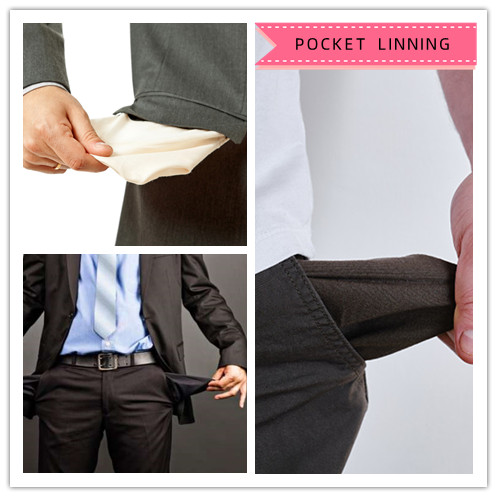
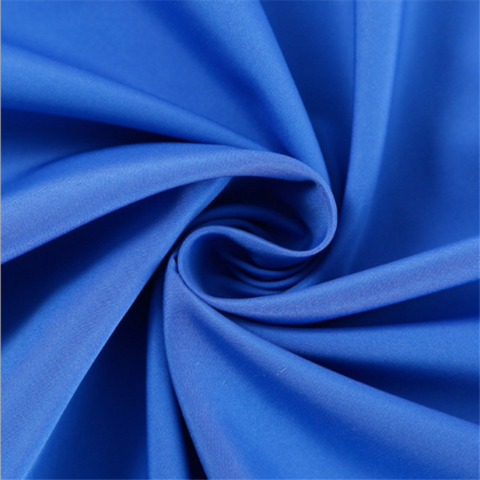
Lining fabric is employed in a variety of products that span both fashion and industrial fields. Common areas of application include:
Suits and Jackets: For a more defined shape and improved comfort.
Dresses and Skirts: To decrease transparency and increase structure.
Coats and Overcoats: For warmth and to facilitate the easy gliding of clothing over the inner layers.
Increases the durability of the product, improves the smoothness of the interior, and offers a finished appearance to handbags, backpacks, and wallets.
Cufflinks, buckles, and upholstery often employ linings to enhance the durability of the fabric and maintain its shape.
Lining promotes longer lifespans and wearer comfort, especially in professional or industrial attire.
Ultimately, lining fabric’s properties enhance the functionality and beauty of a product, making it an essential component of textile design and the creation of garments.
Choosing the right lining fabric is essential to ensure comfort, durability, and functionality in garments, bags, or home furnishings. The ideal lining not only improves the outer fabric’s drape and appearance but also determines how the product feels and performs during wear or use. Here are several key factors to consider when selecting the best lining material:
The function of your product determines the most suitable lining type:
Formal Wear and Suits: Choose smooth, breathable, and anti-static fabrics like polyester satin, acetate, or silk for a refined appearance and easy movement.
Casual Clothing: Use cotton or viscose lining for softness and natural breathability.
Bags and Accessories: Prefer nylon taffeta, Oxford, or polyester lining for strength and durability.
Outdoor or Functional Wear: Select water-resistant or mesh linings to enhance performance and ventilation.
The lining should complement the weight, texture, and behavior of the outer material:
Lightweight outer fabrics (like chiffon or silk) require light and soft linings such as lightweight polyester or viscose.
Heavy outer fabrics (like wool or denim) pair better with sturdy linings such as twill or cotton blends to maintain structure.
Matching the drape and thickness ensures balance between comfort and appearance.
Since the lining is in direct contact with the skin, comfort is crucial.
For warm climates, use breathable natural fibers like cotton or bamboo viscose.
For cold weather, consider insulating linings such as fleece, flannel, or quilted polyester.
For all-day wear, anti-static and moisture-absorbing linings enhance comfort.
Different linings have varying care needs:
Polyester and nylon linings are durable, washable, and easy to maintain.
Silk or acetate linings provide luxury but may require dry cleaning and gentle handling.
Always ensure that the care instructions of both the outer fabric and lining are compatible.
Color and finish influence both aesthetics and usability:
Use light-colored linings for light outer fabrics to avoid show-through.
Dark linings are more practical for outerwear and bags.
Glossy linings add elegance and make garments easier to slip on, while matte linings give a natural, understated look.
For long-lasting products, durability matters as much as comfort.
Opt for tear-resistant, abrasion-resistant fabrics in frequently used garments or bags.
Stretch linings with spandex are excellent for fitted or flexible clothing.
Waterproof and breathable linings are ideal for outdoor gear.
Cost and eco-friendliness are growing priorities:
Synthetic linings (like polyester) are cost-effective and versatile.
Natural or recycled linings (like organic cotton or recycled polyester) are preferred for sustainable production.
Choose materials certified by standards like OEKO-TEX® or GRS to ensure safety and environmental responsibility.