跳到内容
跳到内容 
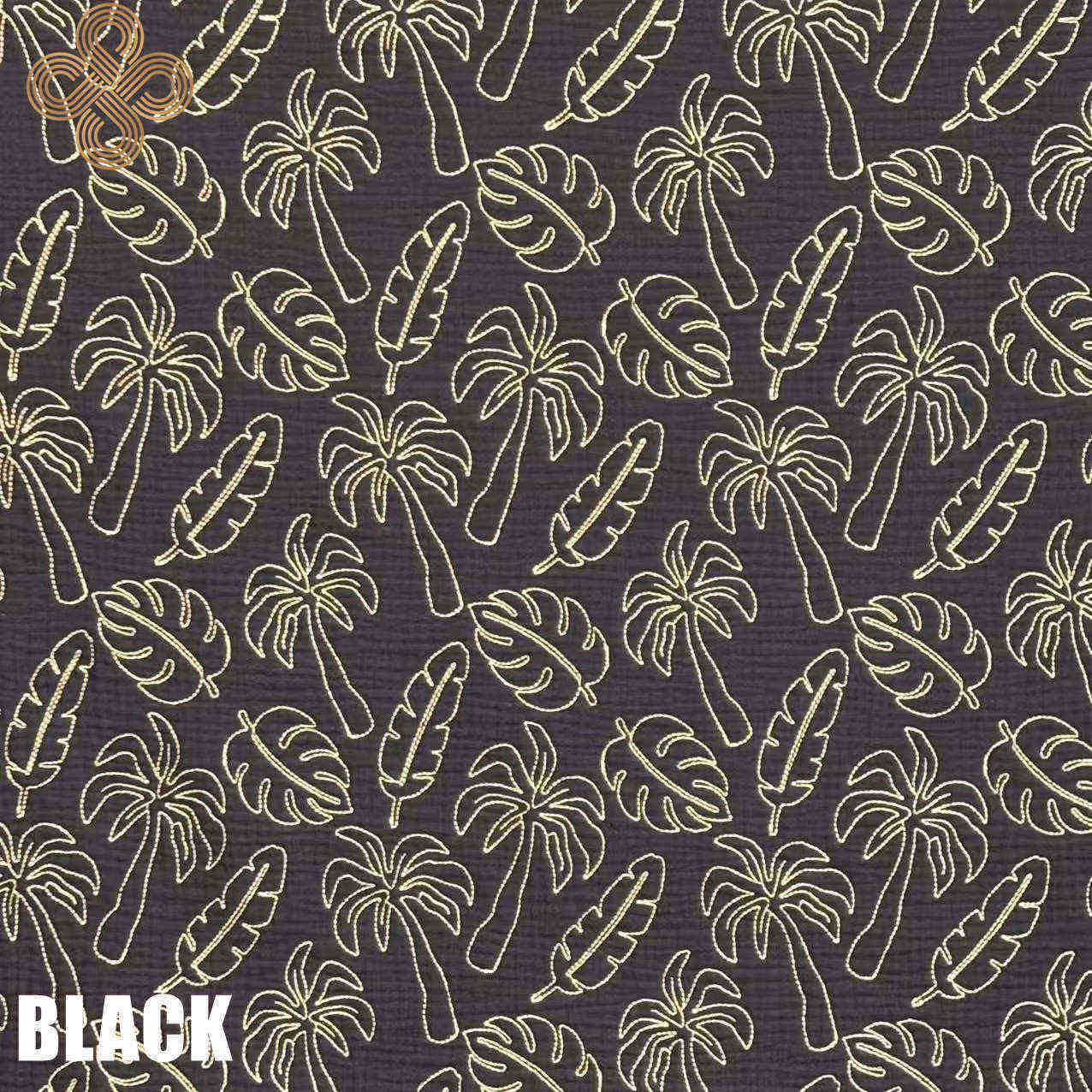
Yes, embroidery can certainly be done on muslin fabric. In many cases, muslin is an excellent base for both hand and machine embroidery. According to Textiles by Sara J. Kadolph and The Essential Guide to Embroidery by Nikki Tinkler, the plain weave, natural fibre composition, and good stitch visibility of muslin make it suitable for a wide range of embroidery techniques, provided the weight of the fabric and the stabiliser are selected appropriately.
Musselina para bordado offers a versatile balance of affordability, breathability, and stitch definition, making it ideal for beginners, artists, and commercial manufacturers alike. The key lies in choosing the right type of muslin and preparing the fabric correctly before stitching.
Introduction
Embroidery is one of the world’s oldest and most enduring textile decoration techniques. From traditional handcrafted motifs to modern computerised designs, it adds texture, depth, and visual interest that cannot be replicated by printing alone. As consumers increasingly seek personalised and artisanal products, embroidery has grown in popularity in the fashion, home décor, baby products, crafting, and premium branding industries.
Muslin frequently appears in discussions among crafters, fashion designers, textile artists, and manufacturers as one of the many fabrics available for embroidery. Yet many people still ask: Can embroidery be done on muslin fabric?
The short answer is yes. However, the success of embroidery on muslin depends on factors such as fabric weight, weave density, thread choice, stabiliser selection, and embroidery technique. Lightweight muslin behaves differently from medium-weight muslin, and hand embroidery may require a different setup than machine embroidery.
This article explores everything you need to know about embroidery on muslin, including why muslin is ideal for embroidery, the best types to use, how to prevent puckering, which needles and threads to use, and how professionals achieve clean, durable results.
What Is Muslin Fabric?
Muslin is a plain-woven cotton fabric that is traditionally made from natural cotton fibres. It is renowned for its soft texture, breathability, and versatility.
Muslin fabrics range from lightweight, gauze-like muslin to heavy utility muslin, with standard craft muslin and medium-weight apparel muslin falling between these extremes. The characteristics of the fabric vary significantly depending on yarn count and weave density.
Common features include:
- Soft texture
- Good absorbency
- Breathability
- Easy dyeing
- Excellent drape
- Natural appearance
Because muslin is typically made from cotton, it is generally comfortable against the skin and easy to sew or embroider.

Can You Embroider Muslin Fabric?
Yes. Muslin can be successfully embroidered using both hand and machine techniques.
In fact, many professional embroiderers appreciate muslin because:
- Stitches are clearly visible;
- The plain weave provides good needle penetration;
- Cotton fibres hold embroidery thread well.
The fabric is relatively easy to hoop.
Designs can range from delicate to moderately dense.
The main issue is that very lightweight muslin may pucker or distort if dense embroidery is applied without proper stabilisation.
However, with the correct preparation, embroidery muslin can produce beautiful decorative, artistic, and commercial results.
Why Muslin Works Well for Embroidery?
There are several properties that make muslin particularly suitable for embroidery.
-
Its stable plain weave creates a relatively predictable surface for stitching.
Unlike loosely knitted fabrics, woven muslin generally stretches less during embroidery, which helps designs to maintain their shape.
-
Natural cotton fibres
Cotton fibres grip embroidery thread effectively, reducing excessive slippage and helping stitches to settle naturally into the fabric.
-
Good design visibility
The solid colour and matte finish of muslin allow embroidery patterns to remain highly visible during stitching.
This is especially helpful for hand embroidery and tracing designs.
-
Versatilidade
Muslin can be used for:
- Hand embroidery
- Machine embroidery
- Crewel embroidery
- Sashiko-inspired stitching
- Appliqué
- Monogramming
- Decorative embellishment
This versatility makes muslin popular among beginners and professionals alike.
When is a Muslim not the Best Choice?
Although muslin is suitable for many projects, it is not always the best fabric for embroidery.
Very lightweight or loosely woven muslin can result in the following issues:
- Fabric puckering
- Design distortion
- Thread sinking
- Needle holes
- Reduced durability
For extremely dense embroidery, fabrics such as linen, twill, canvas, or medium-weight cotton may provide greater stability.
However, most decorative and moderate-density embroidery designs look great on properly stabilised muslin.
Best Muslin Weight for Embroidery
Fabric weight has a major influence on embroidery quality.
| Muslin Weight | Embroidery Suitability | Typical Use |
| Lightweight (Gauze) | Fair | Delicate decorative stitching |
| Standard Craft Muslin | Bom | Hand embroidery and sampling |
| Medium-Weight Muslin | Excelente | Machine embroidery and garments |
| Heavy Muslin | Very Good | Home décor and structured items |
For most projects, medium-weight muslin provides the best balance between softness and stability.
Hand Embroidery on Muslin
Hand embroidery is one of the simplest ways to work with muslin.
Recommended techniques include:
- Running stitch
- Backstitch
- Satin stitch
- French knots
- Chain stitch
- Stem stitch
- Lazy daisy stitch
To achieve clean results:
Wash and iron the muslin first.
Transfer the design using a washable marker or a transfer method.
Place the fabric in an embroidery hoop.
Use sharp embroidery needles.
Avoid pulling stitches too tightly.
Muslin is relatively forgiving, so it is often recommended for beginners learning hand embroidery.
Machine Embroidery on Muslin
Machine embroidery requires slightly more preparation than hand embroidery.
The most important factor is stabilization.
Recommended Setup
Medium-weight muslin
Cut-away or tear-away stabilizer
Embroidery needle (75/11 or 80/12)
Quality polyester or rayon embroidery thread
Proper hoop tension
Dense designs should be tested on a sample piece before full production.
Common Challenges and Solutions
| Problem | Cause | Solution |
| Puckering | Insufficient stabilizer | Use a stronger stabilizer |
| Distortion | Fabric not hooped evenly | Re-hoop with even tension |
| Thread breakage | Wrong needle or tension | Adjust tension and needle size |
| Loose stitches | Fabric too lightweight | Use backing or heavier muslin |
| Needle holes | Needle too large | Choose a finer embroidery needle |
Most embroidery issues on muslin can be solved through proper stabilization and needle selection.
Is Embroidery Muslin Good for Beginners?
Absolutely.
Many embroidery instructors recommend muslin because it is:
- Affordable
- Easy to find
- Easy to mark
- Easy to stitch
- Forgiveness of minor mistakes
- Suitable for practice and finished projects
Beginners can experiment with different stitches without investing in expensive specialty fabrics.
Popular Uses of Embroidery Muslin
Embroidered muslin appears in many products.
Common applications include:
- Baby blankets
- Nursery décor
- Cushion covers
- Wall art
- Tote bags
- Apparel accents
- Monogrammed gifts
- Craft projects
- Quilting panels
Its soft, natural appearance works particularly well for handmade and artisanal products.

Choosing the Best Type of Muslin for Embroidery
Not all muslin fabrics are created equal. Although they share the same plain-weave construction, differences in yarn count, fabric weight, thread density, and finishing processes can significantly influence embroidery quality.
Selecting the appropriate Embroidery Muslin depends on the design’s complexity, the embroidery method, and the intended end use of the finished product.
-
Lightweight Muslin
Lightweight muslin is soft, breathable, and ideal for projects requiring a delicate appearance. However, because of its open weave and lower fabric density, it is more susceptible to distortion during embroidery.
It is best suited for:
- Decorative embroidery
- Baby accessories
- Soft scarves
- Lightweight apparel accents
- Sample stitching
When using lightweight muslin, a high-quality stabilizer is strongly recommended to prevent puckering and maintain stitch accuracy.
-
Medium-Weight Muslin
Medium-weight muslin is widely regarded as the best all-purpose fabric for embroidery. It offers a balanced combination of flexibility, stability, and durability while remaining easy to handle.
This type is suitable for:
- Machine embroidery
- Hand embroidery
- Home décor
- Acolchoamento
- Tote bags
- Decorative panels
- Fashion accessories
For most embroidery projects, medium-weight muslin provides the most reliable and consistent results.
-
Heavy Muslin
Heavy muslin features a tighter weave and greater structural stability, making it ideal for embroidery designs with high stitch density.
Common applications include:
- Cushion covers
- Upholstery accents
- Wall hangings
- Aprons
- Structured bags
- Commercial embroidered products
Although heavier fabrics require slightly more needle penetration force, they generally produce cleaner embroidery with minimal distortion.
Selecting the Right Embroidery Thread
Thread selection is just as important as fabric selection. The wrong thread can reduce stitch definition, create unnecessary bulk, or wear prematurely after repeated washing.
The following thread types are commonly used for Embroidery Muslin.
-
Cotton Thread
Cotton embroidery thread creates a natural, matte appearance that complements muslin’s soft texture.
Advantages include:
- Traditional aesthetic
- Soft finish
- Excellent compatibility with cotton fabrics
- Good durability
Cotton thread is especially popular for folk embroidery, quilting, and vintage-inspired designs.
-
Rayon Thread
Rayon thread is known for its brilliant sheen and smooth stitching performance.
Benefits include:
- High gloss
- Vibrant colors
- Excellent stitch definition
- Wide color selection
Rayon works particularly well for decorative embroidery intended to stand out visually.
-
Polyester Thread
Polyester embroidery thread has become the industry standard for commercial machine embroidery because of its exceptional strength and colorfastness.
Advantages include:
- High tensile strength
- Fade resistance
- Excellent abrasion resistance
- Wash durability
- Suitable for frequent laundering
For uniforms, workwear, and products subjected to regular washing, polyester thread is often the preferred choice.
-
Metallic Thread
Metallic thread adds decorative highlights and luxurious visual effects.
It is commonly used for:
- Logos
- Holiday decorations
- Premium gifts
- Fashion embellishments
- Monograms
Because metallic thread is more delicate than standard embroidery thread, slower machine speeds and specialized needles may be necessary.
Choosing the Correct Embroidery Needle
Needle selection directly affects stitch quality and fabric integrity.
General recommendations include:
| Embroidery Project | Recommended Needle | Recommended Thread |
| Lightweight Muslin | 75/11 Embroidery Needle | Rayon or Cotton |
| Medium Muslin | 75/11 or 80/12 | Polyester, Rayon, Cotton |
| Heavy Muslin | 80/12 or 90/14 | Poliéster |
| Metallic Embroidery | Metallic Needle | Metallic Thread |
| Fine Hand Embroidery | Embroidery Needle No. 7–9 | Cotton Floss |
Using an oversized needle may leave visible holes, while a needle that is too small can increase thread breakage and skipped stitches.
Why Stabilizers Are Essential?
One of the most common reasons embroidery fails on muslin is insufficient stabilization.
A stabilizer supports the fabric during stitching, helping to maintain its shape and prevent distortion.
The three primary stabilizer types are:
-
Tear-Away Stabilizer
Tear-away stabilizers are easy to remove after embroidery and are suitable for stable, medium-weight muslin with relatively light stitch densities.
They are commonly used for:
- Simple logos
- Monograms
- Decorative borders
-
Cut-Away Stabilizer
Cut-away stabilizers provide permanent support behind the embroidery.
They are ideal for:
- Dense embroidery
- Large designs
- Lightweight muslin
- Garments subjected to repeated washing
Because part of the stabilizer remains attached, the embroidered design retains greater long-term stability.
-
Water-Soluble Stabilizer
Water-soluble stabilizers dissolve after washing and are particularly useful for delicate fabrics or embroidery with fine surface details.
They are frequently used for:
- Lace embroidery
- Delicate decorative stitching
- Sheer fabrics
- Specialty textile applications
Hand Embroidery vs. Machine Embroidery on Muslin
Both methods can produce excellent results, but each has its own strengths.
| Característica | Hand Embroidery | Machine Embroidery |
| Design Flexibility | Excelente | Bom |
| Production Speed | Slow | Very Fast |
| Detail Control | Very High | High |
| Consistency | Depends on Skill | Excelente |
| Ideal Quantity | Small Batches | Large Production |
| Learning Curve | Moderado | Moderate to High |
| Equipment Cost | Low | Mais alto |
Hand embroidery remains the preferred option for artistic projects and one-of-a-kind pieces, while machine embroidery is more suitable for commercial production requiring consistency and efficiency.
Professional Tips for Better Embroidery on Muslin
Experienced embroiderers follow several best practices to achieve clean, professional-looking results on muslin.
-
Pre-Wash the Fabric
Muslin is made from natural cotton fibers, which may shrink slightly after the first wash. Washing and pressing the fabric before embroidery helps maintain the correct dimensions and prevents distortion after the finished item is laundered.
-
Use Proper Hoop Tension
The fabric should be held firmly in the embroidery hoop without excessive stretching. Over-tightening can distort the weave, while loose hooping may cause shifting during stitching.
-
Match Stitch Density to Fabric Weight
Lightweight muslin performs best with lighter embroidery designs. Excessively dense stitching can overwhelm the fabric and create puckering. Medium- and heavy-weight muslin is better suited for larger or more intricate patterns.
-
Test Before Production
For commercial or large-scale projects, always stitch a sample on the same muslin fabric using the intended thread, stabilizer, and machine settings. This allows adjustments before full production begins, reducing material waste and ensuring consistent quality.
-
Maintain Proper Machine Settings
Regularly check thread tension, needle condition, and embroidery speed. A well-maintained embroidery machine helps produce smooth stitches and minimizes thread breakage or skipped stitches.
Common Mistakes to Avoid
Even experienced embroiderers can encounter issues when working with muslin. Avoiding these common mistakes will improve both appearance and durability.
Choosing fabric that is too lightweight for dense embroidery.
Skipping the use of a stabilizer.
Using a dull or incorrect needle.
Applying excessive thread tension.
Hoping the fabric is uneven.
Neglecting to pre-wash the muslin before stitching.
Failing to test embroidery settings on a sample piece.
Attention to these details can significantly improve the finished quality of Embroidery Muslin projects.
Commercial and Creative Applications of Embroidery Muslin
The versatility of Embroidery Muslin makes it suitable for a wide range of commercial, artistic, and personal projects. Its natural appearance, soft texture, and compatibility with various embroidery techniques allow designers and manufacturers to create products that balance aesthetics with practicality.
-
Fashion and Apparel
Muslim embroidery is widely used in fashion for both decorative and functional purposes. Designers often incorporate embroidered muslin into:
- Women’s blouses
- Children’s clothing
- Summer dresses
- Traditional garments
- Shirt panels
- Jacket linings
- Scarves and shawls
Embroidery transforms plain muslin into a premium-looking fabric while preserving its lightweight comfort.
-
Home Décor
Interior designers frequently choose embroidered muslin because it introduces texture without adding excessive weight.
Common applications include:
- Cushion covers
- Table runners
- Curtains
- Decorative pillowcases
- Wall hangings
- Fabric artwork
- Lampshade coverings
Neutral-colored muslin paired with elegant embroidery suits both contemporary and rustic interior styles.
-
Produtos para bebés
Because cotton muslin is breathable and gentle on sensitive skin, it is commonly used for baby-related products.
Popular embroidered items include:
- Baby blankets
- Swaddles
- Bibs
- Burp cloths
- Nursery decorations
- Personalized gifts
Simple monograms or floral motifs add a customized touch while maintaining the fabric’s softness.
-
Promotional and Corporate Products
Businesses increasingly use embroidered muslin for eco-friendly promotional items.
Examples include:
- Tote bags
- Drawstring pouches
- Gift bags
- Wine bags
- Cosmetic bags
- Event giveaways
Compared with printed decorations, embroidery offers a more premium appearance and greater durability, making branded products more memorable.
-
Handcrafted and Artisan Products
Independent makers and craft businesses frequently select Embroidery Muslin for handmade collections because it complements traditional embroidery styles and allows for extensive personalization.
Popular handmade products include:
- Hoop art
- Quilts
- Book covers
- Needle cases
- Christmas ornaments
- Personalized gifts
- Decorative samplers
Its affordability also makes muslin ideal for workshops, embroidery classes, and beginner practice kits.
How to Care for Embroidered Muslin?
Proper maintenance preserves both the fabric and the embroidered design. Although muslin is relatively easy to care for, embroidered areas require additional attention to prevent thread damage or fabric distortion.
Recommended care guidelines include:
Wash with cold or lukewarm water.
Use mild, bleach-free detergent.
Turn embroidered items inside out before washing.
Select a gentle machine cycle or hand-wash delicate pieces.
Avoid harsh scrubbing directly on embroidered motifs.
Air dry whenever possible.
Iron from the reverse side using a pressing cloth.
Store in a clean, dry place away from prolonged direct sunlight.
Following these practices helps maintain stitch integrity, minimizes shrinkage, and extends the lifespan of embroidered muslin products.
P1: O que torna este tecido especialmente adequado para vestidos de noite?
- Is muslin a good fabric for embroidery?
Yes. Embroidery Muslin is an excellent choice for many embroidery projects due to its plain-weave construction, natural cotton fibers, and ease of handling. Medium-weight muslin provides the best balance of stability, comfort, and stitch definition for both hand and machine embroidery.
- Do I need a stabilizer when embroidering muslin?
In most machine embroidery projects, yes. A stabilizer helps prevent puckering, shifting, and distortion, particularly when working with lightweight muslin or dense embroidery designs. Hand embroidery on medium-weight muslin may not require additional stabilization beyond an embroidery hoop.
- What thread works best on muslin?
Cotton thread is ideal for traditional, matte-finish embroidery, while polyester thread offers superior durability and colorfastness for frequently washed items. Rayon thread is preferred when a glossy, decorative finish is desired.
- Can beginners use muslin for embroidery?
Absolutely. Muslin is one of the most beginner-friendly embroidery fabrics because it is affordable, easy to mark, readily available, and forgiving during stitching. Many embroidery instructors recommend it as a practice fabric before moving on to more expensive textiles.
- Can machine embroidery damage muslin?
Machine embroidery can produce excellent results on muslin when the correct stabilizer, needle, and thread are used. Problems such as puckering or distortion typically result from improper setup rather than the fabric itself.
- What is the best weight of muslin for embroidery?
Medium-weight muslin is generally considered the most versatile option. It offers enough stability for detailed embroidery while remaining soft, breathable, and suitable for a wide range of apparel, home décor, and craft applications.
Conclusão
So, can you embroider muslin fabric? The answer is definitely yes. Thanks to its natural cotton composition, plain-weave structure, affordability, and compatibility with both hand and machine embroidery techniques, muslin has earned its place as one of the most versatile and accessible embroidery fabrics.
The success of an embroidery muslin project depends less on the fabric itself and more on choosing the appropriate weight of muslin, matching it with the right thread and needle, and using suitable stabilisation techniques. Lightweight muslin is ideal for delicate decorative work, while medium- and heavyweight muslin provide greater support for intricate or dense embroidery designs.
Whether you are creating personalised gifts, children’s products, fashion garments, home décor, or commercial embroidered goods, muslin offers an outstanding balance of beauty, functionality, and value. Its adaptability makes it suitable for beginners learning basic stitches, as well as for professional manufacturers producing high-quality embroidered products on a large scale.
As embroidery grows in popularity across the fashion, craft, and home furnishing industries, muslin remains a trusted fabric, combining timeless appeal with modern performance. By understanding its characteristics and following proven embroidery practices, creators can consistently produce durable, attractive, and professional-looking results.