跳到内容
跳到内容 
Abstract:
In modern garment engineering, lining fabric plays a crucial but often overlooked role in determining the durability, comfort, and structural stability of clothing.
Textile science research published in the Textile Research Journal and Journal of Engineered Fibers and Fabrics demonstrates that garment lining plays a crucial role in abrasion resistance, moisture regulation, shape retention, and thermal performance. Studies cited by The Textile Institute and technical standards from ASTM International indicate that the durability of lining fabrics mainly depends on fiber composition, weave structure, tensile strength, and friction resistance.
Durable lining materials like polyester lining, viscose lining, acetate lining, and high-density nylon lining are commonly utilized in fashion, luxury apparel, outerwear, and industrial textiles. Textile engineering research also highlights that fiber resilience and fabric density directly influence the longevity of garments, particularly in regions exposed to repeated friction, such as sleeves, shoulders, and pocket interiors.
This article offers a thorough industry-level analysis of the most durable lining fabric options, evaluating their performance features, uses, and material qualities. It also explores how manufacturers choose lining fabrics for various garments, the methods used to test durability, and potential future innovations that could transform high-performance lining materials in the textile sector.
Understanding Lining Fabric in Garment Construction
In clothing design and manufacturing, lining fabric is the inner layer of material sewn inside a garment. Although it is not always visible from the outside, lining plays a vital role in the performance of the garment.
A well-selected lining fabric can improve the garment’s durability, enhance the comfort of the wearer, reduce friction against the skin, maintain the shape of the garment, and increase insulation or breathability.
Since lining fabrics experience frequent friction and movement, they need to have strong mechanical properties and long-lasting durability.

Why Durability Matters in Lining Fabric?
Durability is a key performance metric in textile engineering. Unlike outer fabrics, lining materials undergo continuous internal stress, such as friction with the body and contact with other clothing layers. The durability of the lining fabric influences various aspects of garment performance.
- Resistance to Abrasion
Lining fabrics in sleeves and shoulders frequently face repeated rubbing, which can rapidly harm fragile materials.
- Shape Retention
A durable lining helps preserve the garment’s structural integrity over time.
- Comfort Stability
Low-quality lining can deteriorate rapidly, leading to rough textures and discomfort.
- Garment Longevity
If the lining fails, the entire garment may become unusable even if the outer fabric stays intact.
Therefore, choosing the most durable lining fabric is crucial for both fashion designers and garment manufacturers.
Key Properties That Determine Lining Fabric Durability
The durability of lining fabric depends on several material characteristics.
- Fiber Strength
Fiber strength determines how well a fabric can withstand repeated stress.
Common strong fibers include:
- 폴리에스테르
- 나일론
- High-tenacity viscose
- Microfiber blends
- Fabric Density
High thread density improves abrasion resistance and durability.
- Weave Structure
Certain weaves are more resistant to wear and tear.
- Chemical Resistance
Durable lining fabrics must withstand washing, dry cleaning, and environmental exposure.
Comparison of Common Lining Fabric Materials
The most durable lining fabrics differ in their performance characteristics and applications.
| Lining Material | 내구성 | Breathability | Cost | 일반적인 용도 |
| Polyester lining | 매우 높음 | 보통 | Low | Jackets, suits, coats |
| Nylon lining | Extremely high | Low–moderate | 보통 | Outdoor gear |
| Viscose lining | 보통 | High | 보통 | 럭셔리 의류 |
| Acetate lining | 보통 | 보통 | 보통 | Formalwear |
Polyester lining fabrics dominate the global market because they provide excellent durability combined with low cost.
Polyester Lining: The Most Durable and Widely Used Option
Polyester lining is considered one of the most durable lining fabrics available.
- 주요 장점
- It has high tensile strength.
- It offers excellent abrasion resistance.
- It resists shrinking and stretching.
- It has an affordable production cost.
Polyester fibers are synthetic polymers designed for durability, making them perfect for garments that are worn frequently.
- 일반적인 애플리케이션
Polyester lining is widely used in:
- Winter coats
- Business suits
- Fashion jackets
- Uniforms
Its durability and affordability make it a preferred choice for large-scale garment production.

Nylon Lining: Exceptional Strength for Heavy-Duty Garments
Nylon lining is another highly durable material often used in technical clothing.
Characteristics of Nylon Lining
| 속성 | Performance |
| Abrasion resistance | 우수 |
| 강도 | 매우 높음 |
| Moisture resistance | High |
| Flexibility | Good |
Because of its extreme durability, nylon lining is commonly used in:
- Outdoor jackets
- Military clothing
- 스포츠웨어
- Backpacks and gear
However, nylon lining may feel less breathable than natural fibers.
Viscose Lining: A Balance of Comfort and Performance
Viscose lining is popular in clothing because it provides a good mix of comfort, breathability, and cost-effectiveness. Made from regenerated cellulose fibers, viscose is part of the **Regenerated Cellulose Fiber materials and is frequently regarded as a semi-synthetic fabric.
A key benefit of viscose lining is its smooth feel and gentle flow, enabling clothing like suits, jackets, and dresses to glide easily over the body or additional layers. This minimizes friction and improves the overall comfort when wearing.
Viscose also absorbs moisture well and allows air to pass through, aiding in controlling body temperature and ensuring comfort all day long. Due to these features, it is frequently selected for clothing meant for long-term use, such as formalwear and office attire.
Furthermore, viscose lining generally absorbs dye more effectively, enabling producers to produce bright colors and uniform finishes. This makes it appropriate for both traditional and trendy clothing styles.
Acetate Lining: Traditional Luxury Garment Material
Acetate lining has historically been linked to high-quality tailoring and luxury clothing. Derived from chemically treated cellulose, acetate fibers are part of the larger group of **Cellulose Acetate Fiber textiles.
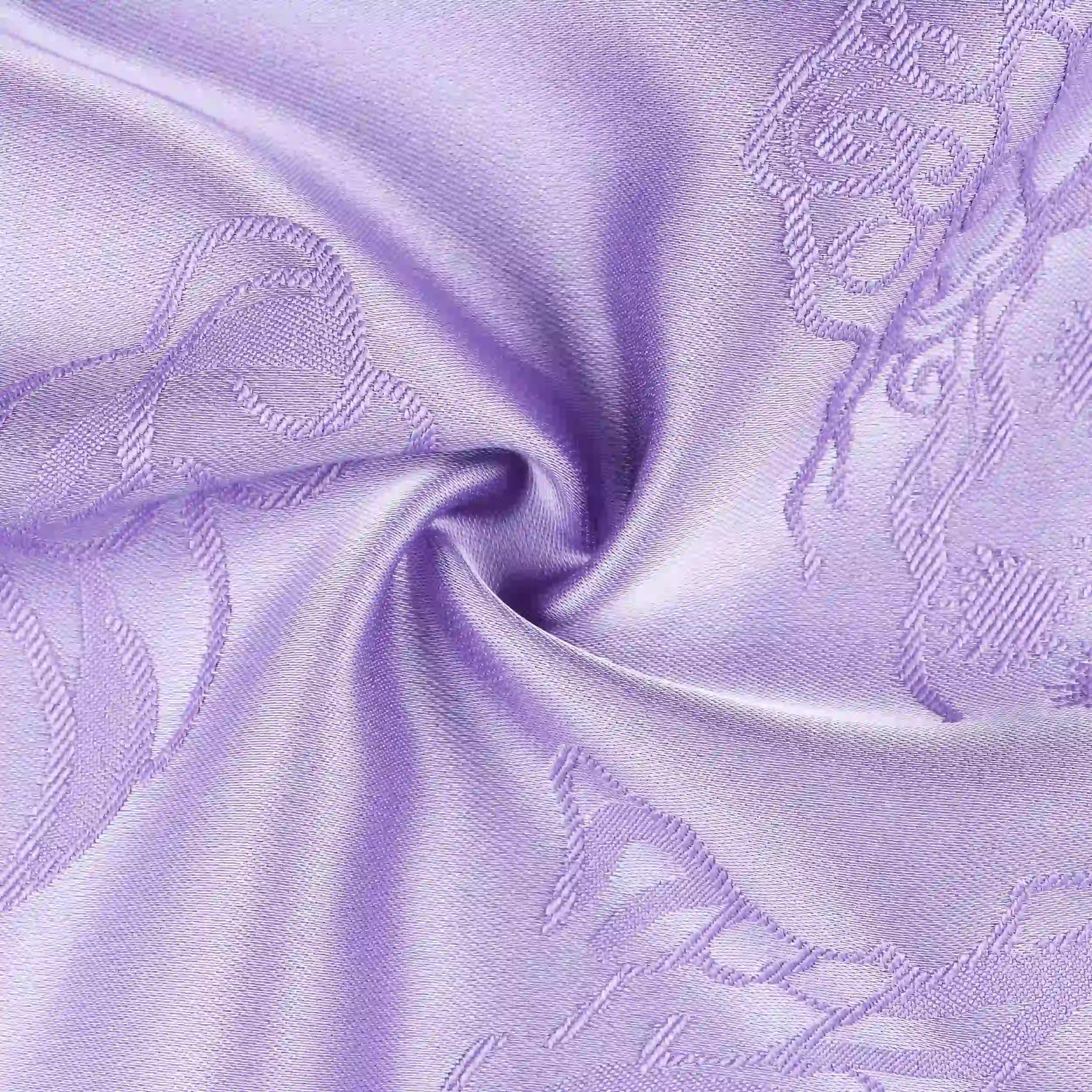
A key feature of acetate lining is its smooth, silky look and sophisticated shine, providing garments with a polished interior. This aesthetic quality makes it especially favored in upscale suits, coats, and evening attire.
Acetate lining also provides excellent draping qualities, enabling garments to keep a structured yet flowing shape. Its sleek surface minimizes static electricity and enhances ease of movement when layered clothing is worn.
However, acetate is usually less durable than certain synthetic lining materials, making it more suitable for garments that do not face heavy daily use. Despite this drawback, it continues to be a popular option in the fashion industry because of its luxurious appearance and its classic link to high-quality tailoring.
How Fabric Structure Influences Lining Durability?
Beyond fiber composition, fabric structure significantly influences durability.
Common Weave Structures
| 직조 유형 | 내구성 | Smoothness | Typical Use |
| Plain weave | High | 보통 | Jackets |
| Twill weave | 매우 높음 | Smooth | Heavy garments |
| Satin weave | 보통 | Very smooth | Luxury lining |
Twill weave structures provide particularly strong durability because of their diagonal yarn pattern, which distributes stress more evenly.
Durability Testing in Lining Fabric Manufacturing
Textile engineers use several standardized tests to evaluate lining durability.
Organizations such as the International Organization for Standardization establish testing procedures.
Common Textile Durability Tests
- Abrasion resistance testing
- Tensile strength testing
- Tear resistance testing
- Wash durability testing
These tests help manufacturers ensure that lining fabrics meet industry performance standards.
Best Lining Fabric for Different Garment Types
Different garments require different lining materials.
| Garment Type | Recommended Lining Fabric |
| Winter coat | Polyester or nylon |
| Business suit | Viscose or acetate |
| Outdoor jacket | 나일론 |
| Casual jacket | 폴리에스테르 |
| Luxury fashion garment | Viscose |
Selecting the right lining material ensures that garments remain comfortable and durable.
Sustainable Lining Fabrics: A Growing Industry Trend
Sustainability has gained greater significance in the textile and fashion sectors. As companies aim to lessen their environmental footprint, the need for environmentally friendly lining fabrics is on the rise.
A major advancement is the adoption of responsibly sourced fibers obtained from certified forests following standards like those set by the Forest Stewardship Council. These fibers guarantee that the raw materials employed in textile manufacturing originate from sustainably managed sources.
Another emerging trend is the adoption of recycled and biodegradable materials. Some manufacturers are producing lining fabrics from recycled polyester or innovative plant-based fibers that can decompose more easily at the end of their life cycle.
Sustainable lining fabrics also emphasize low-impact dyeing processes, water conservation, and reduced chemical usage during production. Together, these practices contribute to more environmentally responsible garment manufacturing while maintaining performance and comfort.
Future Innovations in Lining Fabric Technology
The textile industry continues to develop advanced materials that enhance lining durability.
Emerging technologies include:
- Moisture-regulating smart fabrics
- Anti-bacterial lining materials
- High-performance microfiber blends
- Sustainable biodegradable fibers
These innovations may soon redefine what qualifies as the most durable lining fabric.
FAQ: Lining Fabric
What is the most durable lining fabric?
Polyester lining is generally considered the most durable because of its high tensile strength and resistance to abrasion.
Is nylon lining stronger than polyester?
Nylon can be stronger in certain applications, especially in outdoor gear, but polyester often provides a better balance between durability and cost.
Why is lining fabric important in clothing?
Lining improves comfort, protects outer fabrics, and helps garments maintain their shape.
Are natural lining fabrics durable?
Some natural fibers, such as viscose, can provide good comfort, but synthetic fibers usually offer greater durability.
Can lining fabric affect garment lifespan?
Yes. Poor-quality lining can wear out quickly and shorten the life of an otherwise well-made garment.
결론
Selecting the most durable lining fabric is crucial for creating high-quality garments that retain comfort, shape, and durability. Among the options, polyester and nylon lining fabrics are notable for their remarkable strength, resistance to abrasion, and durability over time, making them the top choices for many contemporary garments.
At the same time, viscose and acetate linings remain significant in luxury fashion because of their excellent softness and visual appeal.
As textile science advances, new developments in fiber technology, eco-friendly materials, and intelligent textiles will further improve the performance of lining fabrics.
When designers, manufacturers, and consumers understand the advantages and drawbacks of various lining materials, they can make better-informed choices and guarantee that garments stay durable, comfortable, and practical for many years.