コンテンツへスキップ
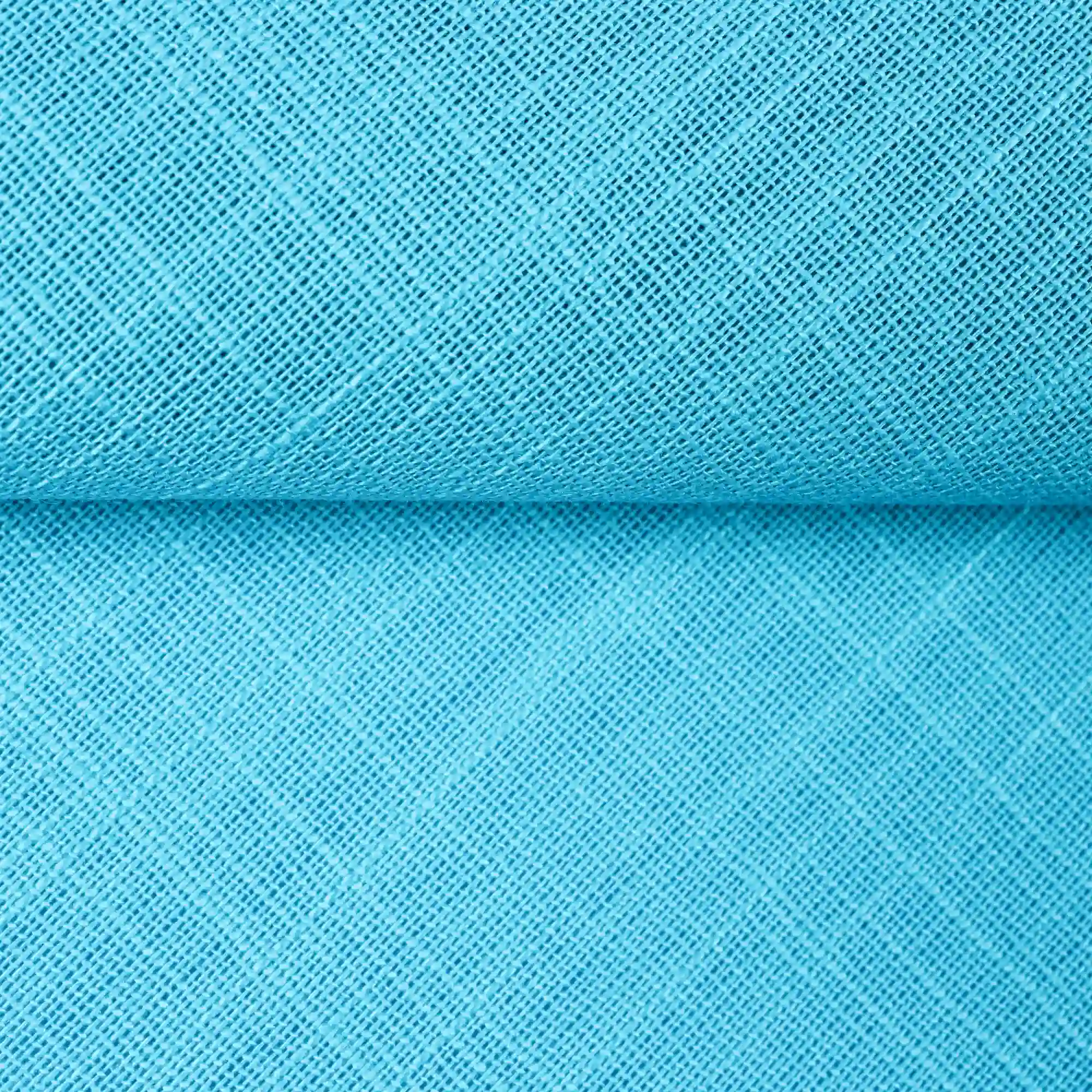
Although cotton and スラブ生地 are often mentioned in the same breath, they are not the same. Cotton is a natural fibre, whereas slub fabric is a textile made with intentionally uneven yarns that create a textured appearance. According to Textiles by Sara J. Kadolph, Watson’s Textile Design and Colour, and Textile Science, slub yarn technology improves the look and breathability of fabrics without altering the composition of the fibres, making slub fabrics popular for casual clothing and fashion textiles.
Introduction
The selection of fabric influences not only the appearance of a garment but also its comfort, durability, maintenance requirements, and the overall consumer experience. As fashion trends continue to emphasise natural textures and relaxed aesthetics, many buyers encounter terms such as ‘cotton’, ‘slub cotton’, and ‘slub fabric’ when shopping for clothing or sourcing textiles. As these terms are often used together, they are sometimes mistakenly believed to describe different fibre types, when in fact they refer to different aspects of textile production.
One of the most common misconceptions is that slub is a material similar to cotton. In reality, ‘cotton’ describes the fibre itself, while ‘slub’ refers to the unique texture created during yarn manufacturing. A slub fabric may be made entirely from cotton or incorporate other fibres such as polyester, linen, or viscose, depending on the desired performance and appearance.
Understanding the distinction between fibre composition and fabric structure helps designers, manufacturers, wholesalers, and consumers to make more informed purchasing decisions. This article explains the differences between cotton and slub fabrics, compares their properties, explores their respective advantages, and discusses the applications in which they perform best.
What Is Cotton?
Cotton is one of the world’s oldest and most widely used natural textile fibres. Harvested from the seeds of the cotton plant (Gossypium species), it has been cultivated for thousands of years thanks to its softness, breathability, ability to absorb moisture, and versatility.
After harvesting, the fibres undergo cleaning, carding, combing, spinning, weaving or knitting, dyeing, and finishing before becoming finished textile products. Due to their natural cellulose content, cotton fibres provide excellent comfort and skin compatibility, and offer good moisture management compared with many synthetic materials.
Today, cotton remains the dominant raw material for numerous textile products, including:
- T-shirts
- Shirts
- Denim
- Towels
- Bedding
- Underwear
- Children’s clothing
- Home textiles
Its widespread popularity stems from the balance it strikes between comfort, affordability, durability, and ease of processing.
What Is Slub Fabric?
Unlike cotton, slub fabric is not a fibre. It is a fabric produced using slub yarn, which has sections of varying thicknesses along its length.
During the spinning process, manufacturers create these irregular, thicker segments within the yarn rather than maintaining a perfectly uniform diameter. Once woven or knitted, these variations create a subtly textured surface, giving the finished fabric a natural, handcrafted appearance.
Originally, yarn irregularities were considered manufacturing defects. However, advances in textile engineering have transformed slub effects into a desirable design feature that adds visual depth and character to fabrics.
Slub fabrics can be manufactured from various fibres, including:
- 100% コットン
- Cotton-polyester blends
- Linen
- レーヨン
- Viscose
- Bamboo fibres
- Recycled fibres
Therefore, ‘slub’ describes the yarn structure rather than the fibre composition.

How Is Slub Yarn Manufactured?
Modern slub yarn production relies on electronically controlled spinning systems that can adjust yarn thickness during spinning.
Rather than maintaining a constant yarn diameter, the machines periodically increase the fibre feed for carefully programmed intervals to create thicker ‘slub’ sections, which are then separated by normal yarn.
Manufacturers can precisely control the following:
- Slub length
- Slub spacing
- Slub thickness
- Frequency of irregularities
- Yarn count variation
This level of control enables designers to create fabrics with subtle textures or highly distinctive visual effects while maintaining consistent production quality.
Consequently, today’s slub fabrics offer a balance of aesthetic appeal and predictable manufacturing performance, making them suitable for premium fashion collections and large-scale commercial apparel production.
The Fundamental Difference Between Cotton and Slub Fabric
The most important distinction is that ‘cotton’ refers to a fibre, whereas ‘slub fabric’ refers to a fabric texture created through yarn engineering.
A garment labelled ‘slub cotton’ usually contains cotton fibres spun into slub yarn, which combines the softness of cotton with the visual texture of slub construction.
In contrast, standard cotton fabrics use uniformly spun yarns, producing a smoother, more consistent surface.
Understanding this distinction clarifies much of the confusion surrounding textile terminology.
Cotton vs. Slub Fabric Comparison
| 防水、通気性、防風 | コットン | Slub Fabric |
| Definition | Natural cellulose fiber | Fabric made from intentionally uneven yarn |
| Material Type | Fiber | Fabric construction/style |
| Surface Appearance | Smooth and uniform | Textured and naturally irregular |
| Manufacturing Method | Standard spinning | Controlled slub yarn spinning |
| Visual Style | Clean and classic | Casual, fashionable, handcrafted appearance |
| 繊維構成 | コットン | Cotton or various natural/synthetic fibers |
| Primary Advantage | Softness and comfort | Unique texture and enhanced visual appeal |
Why Has Slub Fabric Become So Popular?
In recent years, consumer preferences have shifted towards clothing that is both comfortable and unique. Slub fabric meets this demand by incorporating subtle irregularities to create a more natural, less manufactured appearance. The textured surface reflects light differently from smooth fabrics, adding visual depth without the need for complex prints or heavy embellishments.
In addition to their aesthetic appeal, slub fabrics often feel lighter and more breathable due to the varying thickness of the yarn, which creates subtle differences in fabric density. This makes them ideal for warm-weather clothing such as T-shirts, polo shirts, casual dresses, and lightweight knitwear. Designers also appreciate slub fabrics because they combine a relaxed, premium look with relatively straightforward manufacturing processes.
Advantages and Disadvantages of Cotton and Slub Fabric
Both cotton and slub fabric have earned an important place in the textile industry, but they serve different purposes. Cotton is primarily valued for its natural comfort and versatility, while slub fabric is appreciated for its distinctive appearance and fashionable texture. Understanding their respective strengths and limitations helps designers, apparel manufacturers, and consumers choose the most suitable fabric for specific applications.
Advantages of Cotton
Cotton remains one of the most trusted textile fibers because it combines comfort with dependable performance across a wide range of products.
Its primary advantages include:
- Excellent breathability
- High moisture absorption
- Soft hand feel
- Skin-friendly characteristics
- Good dye affinity
- Wide availability
- Easy processing and sewing
- Biodegradable natural fiber
These properties make cotton suitable for garments worn close to the skin, including underwear, children’s clothing, sleepwear, and everyday casual apparel.
However, cotton also has several limitations. Pure cotton wrinkles relatively easily, may shrink if improperly washed, and generally dries more slowly than many synthetic fabrics. Without special finishing treatments, repeated washing may also reduce dimensional stability.
Advantages of Slub Fabric
The primary advantage of slub fabric lies in its unique visual character.
The intentionally uneven yarn structure creates a natural texture that gives garments a more relaxed, premium appearance without requiring complex weaving patterns or printed designs.
Additional advantages include:
- Fashionable textured surface
- Natural handcrafted appearance
- Enhanced visual depth
- Good breathability
- Lightweight feel
- Strong casual style
- Excellent compatibility with modern garment design
Because slub fabrics often use cotton fibers, they retain many of cotton’s comfortable wearing characteristics while adding greater aesthetic appeal.
Potential disadvantages include slightly less uniform appearance, variations in surface texture, and the possibility that consumers unfamiliar with slub construction may initially mistake the irregular yarn for a manufacturing defect.
一般的なアプリケーション
Although cotton and slub fabrics are often found in similar product categories, they serve different market needs.
Standard cotton fabrics are popular choices for products that emphasise comfort, softness, and durability.
Typical applications include:
shirts, bed linens, towels, medical textiles, children’s apparel, underwear, and school uniforms.
Slub fabrics, on the other hand, are primarily chosen for fashion-oriented products where texture and appearance play a more important role.
Common uses include:
- Casual T-shirts
- Polo shirts
- Summer dresses
- Lightweight knitwear
- Fashion tops
- Resort wear
- Lifestyle apparel
- Premium casual collections
The growing popularity of minimalist, natural-looking fashion has increased demand for slub fabrics further in recent years.
Cotton vs. Slub Fabric Selection Guide
| 申し込み | コットン | Slub Fabric |
| Everyday T-shirts | ★★★★★ | ★★★★★ |
| Business Shirts | ★★★★★ | ★★★☆☆ |
| Casual Fashion | ★★★★☆ | ★★★★★ |
| Children’s Clothing | ★★★★★ | ★★★★☆ |
| Summer Apparel | ★★★★☆ | ★★★★★ |
| ホームテキスタイル | ★★★★★ | ★★★☆☆ |
| Decorative Garments | ★★★☆☆ | ★★★★★ |
| Lightweight Knitwear | ★★★★☆ | ★★★★★ |
How to Choose Between Cotton and Slub Fabric?
The choice between cotton and slub fabric depends less on which material is ‘better’ and more on the intended use, desired appearance, and performance requirements.
If the highest priorities are comfort, softness, and classic styling, then conventional cotton fabrics remain an excellent choice. Their smooth surface, consistent quality, and versatility make them suitable for apparel and home textiles.
However, if visual texture, casual aesthetics, and contemporary fashion appeal are more important, slub fabric offers a distinctive alternative. The irregular yarn effect creates garments with greater depth and individuality, and when produced from high-quality cotton fibres, they remain comfortable to wear.
For apparel brands, combining premium cotton with carefully engineered slub yarns can deliver products that balance comfort, durability, and modern design — qualities that are increasingly valued in today’s competitive fashion market.

よくある質問(FAQ)
- Is slub fabric made from cotton?
Often, yes. Many slub fabrics are made from 100% cotton, but slub yarn can also be produced using polyester, viscose, linen, bamboo, or blended fibers.
- Is slub fabric better than regular cotton?
Neither is universally better. Cotton offers a smooth, classic appearance, while slub fabric provides additional texture and visual interest. The better choice depends on the intended application and design preference.
- Does slub fabric feel different?
Yes. Slub fabric usually feels slightly more textured because of its intentionally uneven yarn construction, although high-quality cotton slub fabrics remain soft and comfortable to wear.
- Is slub fabric breathable?
Yes. Cotton slub fabric generally maintains the excellent breathability associated with cotton while offering a lighter and more relaxed appearance.
- Does slub fabric shrink after washing?
Like most cotton-based fabrics, slub cotton may shrink slightly if washed at high temperatures. Following the recommended care instructions helps maintain fabric shape and appearance.
- Why is slub fabric popular in fashion?
Designers appreciate slub fabric because its textured surface creates a natural, premium look without requiring complex printing or weaving techniques. It combines comfort with visual individuality, making it especially popular in casual and contemporary apparel.
結論
To understand the difference between cotton and slub fabric, it is important to recognise that they describe two different aspects of textile manufacturing. Cotton is a natural fibre prized for its softness, breathability, and versatility, whereas slub fabric is characterised by its uneven yarn structure, which gives it a distinctive textured appearance. Rather than being competing materials, they often complement each other, as many slub fabrics are made from high-quality cotton fibres.
The right choice for brands, manufacturers, and consumers depends on the intended application. Traditional cotton fabrics remain ideal for products requiring a smooth finish and timeless comfort, while slub fabrics offer a more visually striking character and relaxed aesthetic that aligns with modern fashion trends. Understanding both fibre composition and fabric construction enables buyers to make more informed sourcing decisions and select textiles that deliver the right balance of performance, appearance, and long-term value.