コンテンツへスキップ
Abstract
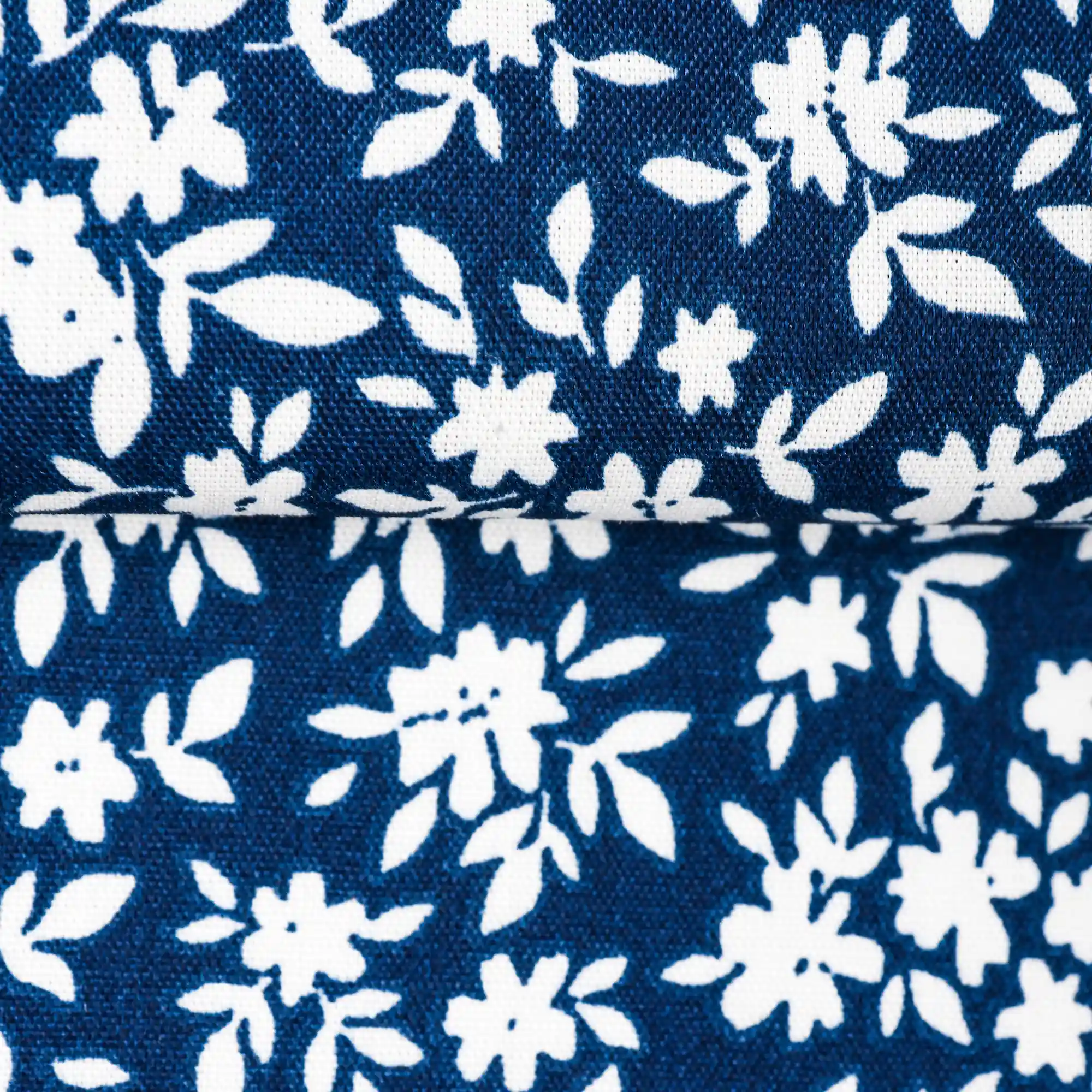
The selection of シャツ生地 plays a critical role in determining the garment’s comfort, durability, breathability, and overall performance.
According to the literature on textile science and material studies from the Textile Institute, the composition of a fabric and its weave structure directly influence its ability to manage moisture, regulate body temperature, and resist wear. Furthermore, research supported by the American Association of Textile Chemists and Colorists highlights that fibre type, yarn construction, and finishing treatments collectively influence a shirt’s behaviour in real-world conditions, such as washing, stretching, and exposure to different climates.
In modern apparel manufacturing, shirt fabrics include a wide range of natural, synthetic, and blended materials, each suited to different applications — from formal dress shirts to casual wear and performance garments. This article provides a comprehensive, expert-level guide to shirt fabrics, including types, properties, comparisons, industry trends, and selection strategies for consumers and apparel professionals alike.
Introduction: Why Shirt Fabric Matters More Than You Think?
When purchasing a shirt, people often focus on style, fit, or colour. However, the most important factor for long-term satisfaction is the fabric of the shirt itself. The fabric determines how a shirt feels against the skin, how it performs throughout the day, and how well it retains its shape and appearance over time.
A poorly chosen fabric can result in:
- Discomfort or irritation
- Excessive sweating
- Wrinkling and deformation
- Short product lifespan
On the other hand, the right fabric can enhance:
- 快適性と通気性
- Durability and longevity
- Aesthetic appeal
- Functional performance
This is why understanding shirt fabrics is essential for consumers, designers, brands, and manufacturers alike.
What Is Shirt Fabric?
Shirt fabric refers to the textile material used to make shirts, including its fibre composition, yarn structure, and weave pattern. It can be categorised into three main types:
- Fibre type (cotton, polyester, linen, etc.).
- Yarn construction (singleply, doubleply, combed, etc.).
- Weave structure (poplin, twill, oxford, etc.).
These three elements work together to determine a shirt’s final characteristics.

Main Types of Shirt Fabrics
- Cotton fabric
Cotton is the most widely used fabric for shirts globally due to its natural comfort and versatility.
Key characteristics:
- Soft and breathable
- Good moisture absorption
- Comfortable for daily wear
Popular cotton types:
- Egyptian cotton
- Supima cotton
- Organic cotton
Best for:
- Dress shirts
- カジュアルシャツ
- Summer wear
- Linen fabric
Linen is made from flax fibres and is renowned for its exceptional breathability.
Advantages:
- Highly breathable
- 軽量
- Natural texture
Limitations:
- しわになりやすい
- Less structured appearance
Best for:
- Summer shirts
- Resort wear
- Casual fashion
- Polyester fabric
Polyester is a synthetic fibre widely used in modern shirt production.
Advantages:
- Durable
- Wrinkle-resistant
- Easy to maintain
Disadvantages:
- Less breathable than natural fibres
- Can feel less soft
Best for:
- 作業服
- Uniforms
- Performance shirts
- Cotton-polyester blends
Blended fabrics combine the benefits of natural and synthetic fibres.
Advantages:
- Improved durability
- Reduced wrinkling
- Better cost efficiency
Best for:
- Everyday shirts
- Business casual wear
- Silk fabric
Silk is a premium natural fibre used in luxury shirts.
Advantages:
- Extremely smooth
- 軽量
- Elegant appearance
Limitations:
- Expensive
- Requires delicate care
- Rayon/viscose fabric
Rayon is a semisynthetic fibre derived from cellulose.
Advantages:
- Soft and breathable
- Drapes well
- Affordable alternative to silk
Shirt Fabric Comparison Table
| ムスクリンにしわ加工テクスチャー&刺繍 | Breathability | 耐久性 | シワになりにくい | Comfort Level | Best Use |
| コットン | High | ミディアム | Low | High | Everyday shirts |
| Linen | Very High | ミディアム | Very Low | High | Summer wear |
| ポリエステル | Low | High | High | ミディアム | 作業服 |
| Blends | MediumHigh | High | MediumHigh | High | Versatile use |
| シルク | ミディアム | Low | Low | Very High | Luxury shirts |
| レーヨン | High | ミディアム | ミディアム | High | カジュアルシャツ |
Shirt Fabric Weaves Explained
The way a fabric is woven plays a critical role in determining its appearance, texture, durability, breathability, and suitability for different uses. Knowing about the different types of weave helps buyers and designers to select the right material for different applications.
- Plain weave
The simplest and most common weave structure, with warp and weft threads alternating evenly.
Characteristics:
- Lightweight and breathable
- Smooth and crisp appearance
- Moderate durability
Typical uses:
- Dress shirts
- カジュアルシャツ
- Summer wear
- Twill weave
Recognisable by its diagonal rib pattern
Characteristics:
- Softer and more drapable than plain weave
- More wrinkle-resistant
- Higher durability
Typical uses:
- Business shirts
- Premium dress shirts
- Allseason garments
- Oxford weave
A basket weave variation with thicker yarns
Characteristics:
- Slightly textured surface
- Durable and breathable
- Casual yet refined look
Typical uses:
- Oxford button-down shirts
- Smartcasual apparel
- Poplin (broadcloth): fine plain weave with tightly packed yarns.
Characteristics:
- Smooth, lightweight, and crisp
- Minimal texture
- Ideal for formal shirts
- Dobby weave
Features subtle geometric patterns
Characteristics:
- Decorative yet refined
- Adds visual interest without heavy texture
- Herringbone/speciality twills
Advanced twill variations with distinctive patterns
Characteristics:
- Elegant texture
- Premium appearance
- Enhanced durability

How to Choose the Best Shirt Fabric?
Climate Consideration
Hot weather → Cotton or linen
Cold weather → Heavier cotton or blends
Purpose
| Use Case | 推奨生地 |
| フォーマルウェア | Cotton poplin/twill |
| Casual wear | Oxford/linen |
| スポーツウェア | Polyester/blends |
| Luxury | シルク |
- Comfort vs Durability
Consumers must balance softness with long-term wear resistance.
Emerging Trends in Shirt Fabrics (2026)
The market for shirt fabrics in 2026 is evolving towards greater comfort, sustainability, performance, and versatility.
- Sustainable and eco-friendly fabrics
Organic cotton and recycled fibres are becoming increasingly popular
Low-impact dyeing and traceable sourcing
- Performance-driven fabrics
Moisture-wicking and quickdrying properties
Wrinkle-resistant and easycare finishes
Stretch-enhanced fabrics for comfort
- Lightweight and breathable materials
Increased demand for all-season comfort fabrics
Ideal for warmer climates and hybrid work environments
- Stretch and flexibility
Addition of elastane or mechanical stretch
Improved mobility and comfort for daily wear
- Premium texture and aesthetic finishes
Subtle patterns and woven textures
Soft-touch finishes and enhanced hand feel
- Functional finishes
Antibacterial and odour-resistant treatments
Stain-resistant and waterrepellent coatings
Common Mistakes When Choosing Shirt Fabric
When selecting shirt fabric, it is important to balance performance, cost, and application. Many buyers make avoidable mistakes.
- Focusing only on price
Low-cost fabrics often compromise on durability and comfort.
- Ignoring fabric weave
Choosing fabric without considering weave suitability. Different weaves perform differently in formal versus casual use.
- Overlooking end use
Not aligning fabric choice with application (e.g., formal, casual, or active).
- Neglecting fabric weight and seasonality
Using heavy fabrics in summer or lightweight fabrics in winter.
- Not testing fabric performance
Skipping tests for shrinkage, colourfastness, and wrinkle resistance
- Ignoring comfort and skin feel
Rough or poorly finished fabrics reduce wearability.
- Overlooking maintenance requirements
Some fabrics require special care that is not suitable for the target customers.

FAQ: Shirt Fabric
Q1: What is the best fabric for shirts?
Cotton is generally considered the best due to its comfort, breathability, and versatility.
Q2: Which fabric is best for summer shirts?
Linen and lightweight cotton are ideal for hot weather.
Q3: Are polyester shirts good?
Yes, especially for durability and wrinkle resistance, but they may lack breathability.
Q4: What is the most durable shirt fabric?
Polyester and blended fabrics offer the highest durability.
Q5: What fabric is best for formal shirts?
Cotton poplin and twill are the most common choices.
結論
Understanding shirt fabrics is essential for making informed purchasing and manufacturing decisions. From natural fibres such as cotton and linen to advanced synthetic blends, each material has unique properties that make it more or less suitable for different uses.
As the apparel industry evolves, innovations in sustainability, performance, and textile engineering are expanding the possibilities for shirt fabrics. Whether the shirt is intended for everyday comfort, professional wear, or high-performance applications, choosing the right fabric remains the foundation of a high-quality garment.