跳到内容
跳到内容 

Abstract
Natural fibers have been appreciated for their comfort, breathability, and skin-friendly qualities in the textile industry for a long time. Among these, 100% cotton muslin is one of the most adaptable and commonly used fabrics in clothing, baby items, and home textiles.
Textile research published by the American Association of Textile Chemists and Colorists and health guidance from the World Health Organization indicate that natural cotton-based textiles are generally safer and more comfortable for direct skin contact than many synthetic alternatives.
muselina de algodón 100% is a lightweight, loosely woven cotton fabric recognized for its softness, breathability, and durability. Traditionally made from pure cotton fibers, muslin fabric has been utilized for centuries in clothing, bedding, and household textiles. Nowadays, it is particularly favored in baby products like swaddles, blankets, burp cloths, and clothing due to its gentle texture and superior airflow characteristics.
One of the main reasons cotton muslin is becoming more popular is because of its health and comfort advantages. The open weave design enables air to flow through, aiding in temperature regulation and moisture reduction. This feature makes the fabric especially ideal for delicate skin, warm environments, and products for babies.
This comprehensive guide explains what 100% cotton muslin is, how it is produced, why it is regarded as a healthy fabric, and how it compares to other textile materials. The article also looks at the benefits of muslin in clothing and baby products, covers manufacturing methods, and provides practical advice for selecting high-quality muslin fabrics.
What Is 100% Cotton Muslin?
Definition of Cotton Muslin
100% cotton muslin is a plain-weave textile made entirely from natural cotton fibers. Unlike tightly woven cotton fabrics such as denim or twill, muslin is produced using a loose weaving technique, which creates a soft, breathable fabric structure. The term “muslin” originally referred to a fine cotton fabric historically produced in regions of South Asia. Today, muslin fabrics are manufactured worldwide and used for a wide range of textile products.
Because the fabric contains 100% cotton fibers, it retains the natural properties of cotton, including softness, breathability, and moisture absorption.

Historical Origins of Muslim Fabric
Muslim fabric has a long and fascinating history in global textile production.
Historically, muslin was initially manufactured in areas that are now part of modern Bangladesh and India. The fabric gained significant importance in global commerce because of its lightweight feel and superior quality.
During the 17th and 18th centuries, muslin fabrics were extensively exported to Europe and gained popularity for clothing and decorative textiles. Today, advanced manufacturing technology enables large-scale production of cotton muslin fabrics while preserving the lightweight and breathable qualities that made the fabric well-known.
How 100% Cotton Muslin Is Made?
The manufacturing process for 100% cotton muslin includes multiple steps, starting with the collection of raw cotton and ending with the finished textile.
- Cotton Fiber Harvesting
The process starts with gathering natural cotton fibers from cotton plants. These fibers are subsequently cleaned and separated from the seeds using a method known as ginning.
Once cleaned, the fibers are spun into yarn suitable for weaving.
- Yarn Spinning and Preparation
The cotton fibers are twisted into yarn threads that form the basic structure of the muslin fabric.
Because muslin fabrics are lightweight, the yarn used is typically fine and loosely twisted.
- Weaving Process
Muslin fabric is produced using a plain weave structure, where the weft thread alternates over and under the warp threads.
Muslin Fabric Structure
| Fabric Element | Description |
| Warp yarn | Vertical threads form the base |
| Weft yarn | Horizontal threads woven across |
| Plain weave | Simple alternating structure |
| Loose density | Creates breathability |
This weaving technique produces a soft, airy fabric.
Key Characteristics of 100% Cotton Muslin
Cotton muslin possesses several unique features that set it apart from other fabrics.
- Breathability
A key trait of 100% cotton muslin is its outstanding breathability.
The loose weave of the fabric allows air to flow freely through it.
This aids in controlling body temperature and avoiding overheating.
- Softness
Repeated washing makes muslin fabrics even softer.
This makes them perfect for items that need regular cleaning, like baby blankets and clothes.
- Lightweight Comfort
Muslin is significantly lighter than many other cotton fabrics.
Its lightness makes it suitable for hot climates and summer wear.
- Durabilidad
Despite its soft texture, cotton muslin is surprisingly durable.
The fabric can withstand repeated washing and long-term use without losing its structure.
Is Cotton Muslin Healthy?
- Skin-Friendly Properties
Since 100% cotton muslin is crafted entirely from natural cotton fibers, it is typically regarded as safe and gentle for skin contact.
Cotton fibers are inherently hypoallergenic and less prone to causing irritation compared to synthetic materials.
- Moisture Absorption
Cotton muslin effectively absorbs moisture, aiding in maintaining dry and comfortable skin.
This characteristic is particularly advantageous in baby clothing and bedding items.
- Temperature Regulation
The breathable structure of muslin fabric allows air circulation, which helps maintain a comfortable body temperature.
This makes the fabric suitable for both warm and moderate climates.

Health Benefits of Cotton Muslin
| Característica | Health Benefit |
| Natural fibers | Reduced skin irritation |
| Breathable weave | Prevents overheating |
| Absorción de humedad | Keeps skin dry |
| Soft texture | Comfortable for sensitive skin |
These characteristics explain why cotton muslin is widely used in baby products.
Common Uses of 100% Cotton Muslin
Muslin fabric is used in many different industries due to its versatility.
- Productos para bebés
One of the most popular uses for 100% cotton muslin is in baby care products.
Examples include:
- Swaddle blankets
- Baby clothing
- Burp cloths
- Nursing covers
Parents prefer muslin because it is soft, breathable, and gentle on delicate skin.
- Clothing and Apparel
Muslim fabrics are commonly used for lightweight garments such as:
- Summer dresses
- Shirts
- Scarves
- Loungewear
These garments provide comfort and airflow in warm weather.
- Textiles para el hogar
Muslin is also used in household products.
Common applications include:
- Bed sheets
- Curtains
- Kitchen cloths
- Cleaning cloths
Its absorbent nature makes it useful for many domestic purposes.
Cotton Muslin vs Other Cotton Fabrics
Different cotton fabrics vary significantly in structure and performance.
Comparison of Cotton Fabrics
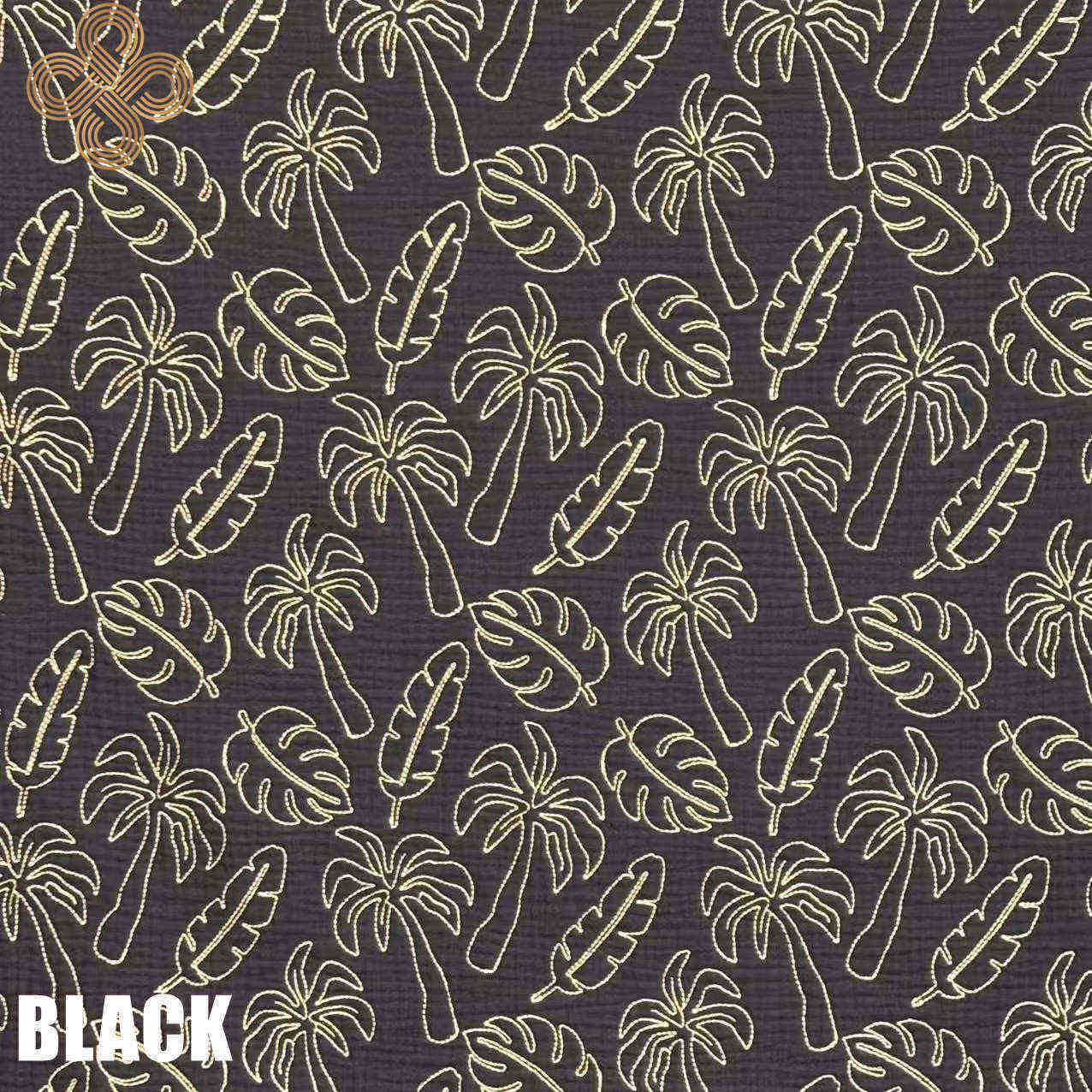
| Muselina con textura arrugada y bordado | Densidad del tejido | Breathability | Usos típicos |
| Cotton muslin | Loose | Muy alta | Baby products |
| Cotton poplin | Tight | Moderado | Shirts |
| Cotton twill | Dense | Low | Denim |
| Cotton gauze | Very loose | Extremely high | Medical textiles |
This comparison highlights muslin’s superior breathability.
Environmental Benefits of Cotton Muslin
As the importance of sustainability increases in the textile industry, natural fabrics like cotton muslin are becoming more popular. Cotton muslin is biodegradable and renewable when it is made from responsibly sourced cotton.
Additionally, many manufacturers are adopting organic cotton farming practices to reduce environmental impact.
How to Choose High-Quality Cotton Muslin?
Not all muslin fabrics are the same.
When buying muslin products, consumers should take into account various factors.
- Thread Count and Layering
Muslin of high quality typically includes several fabric layers that enhance durability while keeping it soft.
- Fabric Certification
Consumers might seek certifications like organic cotton standards to verify safe manufacturing methods.
- Manufacturing Quality
Good-quality muslin fabrics should display uniform weaving and a smooth feel.
Factors to Evaluate When Buying Muslin
| Factor | Importance |
| Fabric purity | Ensures 100% cotton content |
| Weave quality | Determines durability |
| Fabric softness | Affects comfort |
| Safety certification | Confirms product safety |
Careful selection ensures the best product performance.
Care and Maintenance of Cotton Muslin
Cotton muslin is relatively easy to maintain.
Recommended care instructions include:
- Washing with mild detergent
- Avoiding excessive heat during drying
- Allowing natural air drying when possible
Proper care helps preserve the fabric’s softness and durability.
Future Trends in Cotton Muslin Products
The popularity of 100% cotton muslin continues to grow as consumers seek natural and sustainable textiles.
Emerging trends include:
- Organic muslin fabrics
- Eco-friendly dyeing processes
- Multi-layer muslin baby products
- Smart breathable textiles
These innovations are expanding muslin’s applications in both fashion and baby care industries.
FAQ: 100% Cotton Muslin
What is 100% cotton muslin?
100% cotton muslin is a lightweight, breathable fabric made entirely from natural cotton fibers using a plain weave structure.
Is cotton muslin safe for babies?
Yes. Cotton muslin is widely considered safe for babies because it is breathable, soft, and made from natural fibers.
Why is cotton muslin so breathable?
The loose-weaving structure allows air to circulate through the fabric, improving ventilation.
Does cotton muslin shrink when washed?
Some shrinkage may occur after the first wash, but most muslin fabrics are designed to maintain their shape with proper care.
Is muslin better than regular cotton fabric?
Muslin is often preferred for baby products and warm climates because it is lighter and more breathable than many other cotton fabrics.
Conclusión
100% cotton muslin continues to be one of the most prized natural fabrics in the textile industry because of its distinctive blend of softness, breathability, and durability. Made entirely from natural cotton fibers and woven with a loose plain-weave pattern, muslin fabric provides excellent airflow while ensuring comfort and flexibility. These features make it especially ideal for baby products, lightweight apparel, and household textiles.
Cotton muslin provides numerous benefits for health and comfort. Its natural fiber makeup decreases the chance of skin irritation, and its breathable design aids in controlling body temperature and moisture absorption. These features clarify why muslin fabrics are commonly used for infant swaddles, bedding, and clothing intended for delicate skin.
As consumer demand continues to shift toward sustainable and natural materials, 100% cotton muslin is expected to remain a popular choice across many industries. Advances in organic cotton farming, environmentally friendly textile processing, and innovative fabric designs will further expand the applications of muslin fabrics in the future. For individuals seeking comfortable, breathable, and skin-friendly textiles, cotton muslin remains one of the best natural fabric options available.