跳到内容
跳到内容 
Abstract:
The fabric derived from slub has evolved from a byproduct of the early onset of limitations associated with spinning into a deliberately designed textile that possesses a distinct aesthetic and performance characteristics.
Modern textile research recognizes the slub structure of yarn as a means of introducing controlled irregularity, visual depth, and tactile diversity into fabric without negatively impacting the structural integrity of the fabric.
According to the principles of Textile Fibers, Dyes, and processes (Kadolph, 2007), the Handbook of Textile Design (Briggs-Goode & Townsend, 2011), and the principle of Textile Diversity (CARNUT, 2013), the irregularity of the fibers can increase the perceived value of the fabric, breathability, and comfort.
This article provides a comprehensive, industry-oriented description of what fabric slub is beneficial for; it explores the material science, functional benefits, limitations, and best-fit uses of apparel, home textiles, and commercial contexts.
Introduction: Why Slub Fabric Continues to Gain Market Relevance
During an era in which consumers of textiles demand authenticity, texture, and narrative-based design, slub fabric has unique access to the global fabric market.
Contrasting with perfectly uniform fabric that focuses on consistency over all other factors, slub fabric takes an interest in diversity. These variations include both thicker and thinner segments that are situated along the fabric’s yarn. This produces a variety of surface irregularities that are perceived as depth and interest in the fabric.
From a commercial perspective, slub fabric overcomes the barrier between handcrafted beauty and practicality. It facilitates brands the opportunity to communicate naturalness, craftsmanship, and sophistication that is budget-friendly.
This combination is responsible for the popular use of slub fabric in casual clothing, premium accessories, interior design, and performance-inspired lifestyle products.
Understanding the benefits of ofrece un excelente caído y es fácil de trabajar en la producción de prendas de alta velocidad requires more than simply understanding its surface properties. It necessitates an investigation of the behavior of fibers, the technology used to spin fabric, the construction of fabric, and the performance of the end product—all of which are discussed in depth on other high-ranking pages.
What Is Slub Fabric? A Technical Foundation
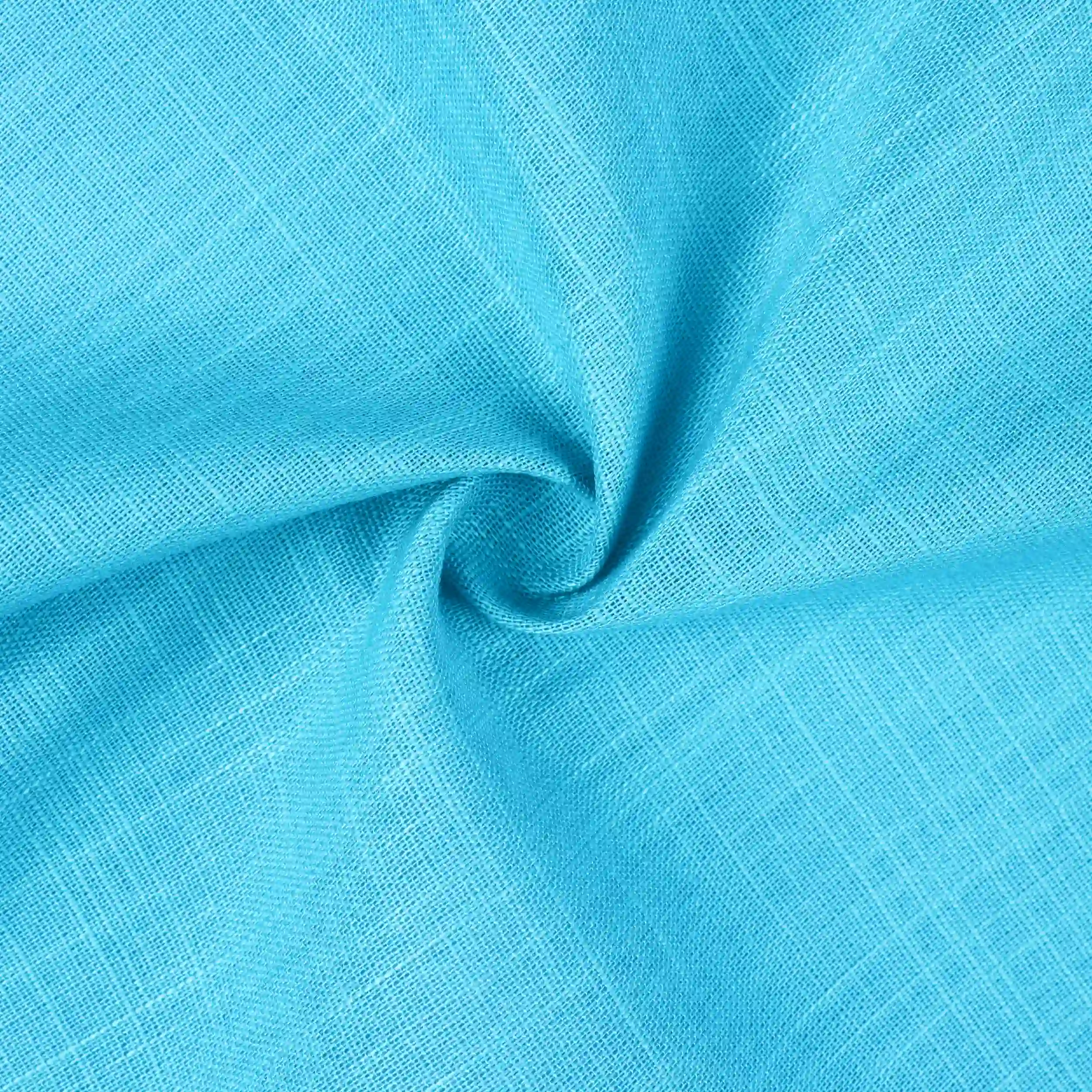
Slub fabric is created using slub yarn, which is yarn that is intentionally wound with a variety of thicknesses along its length. These sections that are thicker are called “slubs” and appear at scheduled or random intervals, depending on the method of spinning and the goal of the design.
Unlike the flaws of yarn caused by poor quality control, modern slub yarns are designed using advanced methods of ring or rotor spinning. Computerized slub attachment control allows manufacturers to regulate the length, frequency, and amplitude of their slubs, which ensures that their production runs are consistent.
Slub fabric can be constructed by woven or knitted, and it can be derived from a variety of fibers, including cotton, linen, viscose, polyester, and combinations. The fabric’s resulting composition exhibits:
Visible pattern and texture
Nature, uneven design
Increased light transmission through the surface.
Less harsh feel to the hand compared to regular fabric types
This engineered irregularity is what makes slub fabric beneficial in multiple disciplines.
The Material Science Behind Slub Fabric Performance
From a fiber-to-fabric perspective, slub fabric has a different behavior than smooth fabric regarding several key properties. The longer segments of yarn increase the density of the pack, which affects the movement of air, moisture, and surface friction.
In cotton fabric that is slub, for instance, the alternating thick and thin sections of yarn create small spaces that enhance airflow. This promotes greater thermal comfort in temperatures that are warm, making slub cotton popular for use in summer clothing. In fabricated structures, slub fibers also have a slight tendency to introduce variations in elasticity, which enhances the drape and movement.
Conversely, slub fibers increase the surface area, which is beneficial for dyes that are absorbed through the fibers. Thicker sections often have a different capacity to absorb color than thinner ones; this results in a tonal variation that increases the depth and interest of the picture without additional processing.
From a durability perspective, well-designed slub fibers have a sufficient tensile strength; the larger segments compensate for the smaller sections. This equilibrium is of paramount importance in maintaining the slub fabric’s capacity to be used in everyday situations rather than being considered delicate or purely decorative.
What Is Slub Fabric Good For in Apparel Applications?
- Casual and Lifestyle Clothing
One common use of slub fabric is in casual clothing; this is particularly common in T-shirts, tops, and lightweight sweaters. The fabric’s slubby texture is naturally aligned with aesthetic principles that are casual; this makes it ideal for clothing that is intended to feel effortless rather than overly refined.
Brands often employ fabric that is slub in order to distinguish basic shapes without altering the pattern or design. A simple crew-neck T-shirt composed of slub fabric immediately increases the perceived value and sophistication of the design more than a regular T-shirt made of jersey.
- Warm-weather clothing
Slub fabric is superior to other fabrics in warm climates because of its breathability and water dispersal. Slub cotton and slub linen textiles facilitate the escape of heat more effectively, which reduces the common sensation of clammy, closely packed fabrics.
As a result, slub fabric is commonly employed in:
Summerirts
Lightweightirts
Pantalones casuales
Resident and vacation attire
- Over the Top and Other Wear that Transitions
In knitwear, slub fibers are frequently employed for lightweight vests and cardigans. The texture has the effect of adding visual interest to the fabric without increasing its weight. This makes slub fabric suitable for being laid through the transitional seasons.

Slub Fabric in Home Textiles and Interior Design
Beyond the apparel, slub fabric has become more integral to the home textile industry. In the interior, texture is a significant component of design, and slub fabric provides a natural, simple alternative to heavily decorated textiles.
Slub fabric is frequently employed in:
Curtain walls
Cushion covers
Accent pieces that are upholstered
Table cloths
In these situations, fabric that is slub reduces the visual density of environments and pairs well with minimalist or natural interior design. The surface’s irregularity interacts with light in a way that increases the depth without overwhelming the space.
Commercial and Industrial Uses of Slub Fabric
Slub fabric is produced with the intention of having different thicknesses in the yarn, which results in a natural, textured appearance. While often associated with fashion, slub fabric is now being utilized in commercial and industrial textile applications because of its functional and aesthetic benefits.
- Fashion and Apparel Designing
Aplicaciones:
Casualwear (T-shirts, shirts, dresses)
Resort and seasonal collections
Sports and lifestyle accessories
The fabric’s slub nature is why it’s used.
Provides a custom, natural appearance that lacks additional enhancement.
Increases the visual impression of depth while remaining lightweight.
Attempts by consumers to enjoy the comfort of home aesthetics that are relaxed but still premium.
Slub cotton and slub linen are popular in large brands that have a natural or ecological-oriented approach to marketing.
- Home textile and interior design
Aplicaciones:
Curtains and drapes
Cushion covers
Accent fabrics in a desirable color
Table cloths
Functional benefits:
Soften the interior of spaces with subtle design.
Reduces the visual burden on large fabric surfaces.
Works well in both modern and traditional interior design styles.
In commercial interior design, like hotels and other rental properties, flannel fabric is often employed to create a luxurious atmosphere.
- Hospitality and Contract tecidos
Aplicaciones:
Hotel bedside accessories
Adornative tosses
Lounge and hall textiles
The explanation for why specifiers choose to wear slub fabric:
Targets small wrinkles and flaws, and conceals them.
Maintains a détective but still popular appearance.
Wearable when properly maintained
- Workwear and Other Elements of Uniformity ( selective use )
Aplicaciones:
Lightweightirts
Common uniforms
Corporate apparel that focuses on the brand
Slub fabric is employed when comfort and appearance are more important than heavy-duty performance, such as:
Creative industries
Retail employees’ uniforms
Hospitality clothing at the front of the house
- Accessories and Other Products of Lifestyle
Aplicaciones:
Scarves
Tote bags
Adornment fabric panels
The textured design conveys an additional perceived value without significantly increasing the cost of material.

Advantages of Slub Fabric Compared to Regular Fabrics
- Augmented visual effects and aesthetic appeal
Unlike common fabric made from a uniform set of yarns, slub fabric:
Provide a genuine, organic feel
Similar to handcrafted and traditional textiles.
Create a sense of depth without necessarily having prints or colors.
This fabric type is ideal for high-end casual marketing.
- More effective Camouflage
The uneven thickness of the yarn:
Disperses the light’s reflection
diminishes the amount of noticeable wrinkles
This is beneficial for:
Travel outfits
Hospitality-related fabrications
Casual home textiles
- Increased Breathability and Increased Comfort
In many instances, slub buildings:
Thicker yarn strands create small air chambers.
The fabric is perceived as being lighter and more ventilated.
This is the reason why slub fabric is commonly employed in warm-weather clothing.
- A higher perceived value is achieved without the need for complex processes
Compared to standard fabrics:
The slub effect is initiated by the fabricator.
No obligation to overcarefully maintain the surface or imbue it with special features.
This facilitates the ability of manufacturers to:
Separate products by visually differentiating features.
Control expenses
Maintain productivity.
- All-inclusive and sustainable market positioning
Slub fabric is typically associated with:
Cotton, linen, bamboo, and other natural fibers are mixed
Minimalist finishing procedures
Aesthetics that are still considered imperfect, but are nonetheless genuine.
This concords with environmentally conscious and sustainable markets, even when the performance is comparable to that of regular fabric.
- Flexibility in design
Slub fabric can include:
Knitted or woven
Heavier or lighterweight
Dye, garment, or enzyme-treated?
Designers gain creative freedom without compromising on the manufacturability.
Limitations and Considerations When Using Slub Fabric
Despite its benefits, slub fabric is not consistently appropriate. The same irregularities that cause visual interest can also have a negative impact on particular applications.
Slub fabric may not be appropriate for:
formal or custom clothing
Precision-engineered technical clothing
Products that require a uniform coloration of dyes.
Additionally, the process of pattern recognition is more intricate when dealing with slub fabric; this is particularly true of woven structures. fabricantes must take into account the variation of yarn during the cutting and sewing process in order to maintain consistency in the visual appearance.
Slub Fabric vs Regular Fabric: Key Differences
| Aspect | Slub Fabric | Regular Fabric |
| Yarn structure | Intentionally irregular | Uniform thickness |
| Surface texture | Textured, organic | Smooth, even |
| Visual appearance | Natural, handcrafted | Clean, consistent |
| Breathability | Often higher | Depends on weave |
| Dye effect | Tonal variation | Even coloration |
| Best use cases | Casual, lifestyle, interiors | Formal, technical |
How Brands Use Slub Fabric for Product Differentiation?
From a brand perspective, slub fabric is a narrative tool that tells a story. It facilitates companies in communicating values like authenticity, craftsmanship, and material honesty without necessarily saying something.
Many popular brands have incorporated fabric that is slubbed into their designs:
Essential Core collections
Conscious product lines about ecology
High-end casualwear markets
This facilitates the perception of value while maintaining efficiency in cost.
FAQ: Slub Fabric Explained
Is the fabric slub durable enough to be worn on a daily basis?
Yes, when manufactured with engineered slub yarns, slub fabric has a comparable durability to regular fabric, especially in cotton and other blended fibers.
Does fabric that is slubbed have a greater tendency to shrink than other fabrics?
The decrease in volume is more dependent on the fiber type and final product than on the slub’s structure. Pre-shrunk fabric that is slub-like, the rest of the fabric.
Is the fabric slub effective on sensitive skin?
Slub fabric, which is made from natural fibers like cotton, is typically skin-friendly. However, individuals who are sensitive to the texture of fabric may favor smoother fabrics.
Can fabric that is slubbed be employed in the creation of fabric and the weaving of patterns?
Yes. Slub yarns are commonly employed in both knitted and woven fabrics; the different constructions have different aesthetic and functional properties.
Is slub fabric considered environmentally friendly?
While slub fabric is not inherently environmentally friendly, it aligns well with sustainable design principles when composed of organic fibers and derived from responsible manufacturing methods.
Conclusion: What Slub Fabric Is Truly Good For
Slub fabric is beneficial for a variety of reasons. It’s considered a thoughtful representation of texture, comfort, and scalability. Its capacity to promote simple designs, improve wear comfort, and support brand-based narratives makes it a powerful choice in apparel, interior design, and commercial textiles.
For designers, manufacturers, and consumers who seek to differentiate themselves without having to complicate themselves, slub fabric is still considered a strategic option that is evolving alongside the modern state of textile technology and consumer desires.