跳到内容
跳到内容 
In the fabric world, few fabrics have as rich a history and a variety as muslin fabric. From the centuries-old routes of trade in Bengal to the modern manufacturing of apparel, muslin has remained a popular choice among fashion designers, tailors, and industrial textile producers.
However, beyond its softness and breathability, muslin is a fundamental fabric that is used in multiple fields, from fashion design and upholstery to medical and domestic textiles.
In this comprehensive article, we will discuss what muslin fabric is, what it’s composed of, the different manufacturing types of muslin, the different applications that muslin can be utilized in, the different methods that are used to clean and color it, and where to find reliable sources of muslin fabric, including honrysweater.com, which is a trusted platform for textile materials.
What is Muslin Fabric?
Muslin fabric is a lightweight, cotton fabric that is characterized by its softness, breathability, and versatility. Traditionally made from unbleached cotton fibers, muslin is characterized by a loose, open pattern that facilitates easy circulation of air.
It’s one of the oldest and simplest types of fabricated fibers – believed to have originated in ancient India (now Bangladesh and India) – and was historically celebrated for its smooth feel and delicate composition.
The unique characteristics of muslin fabric include:
- Lightweight and portable
- Soft, basic weave type
- primarily composed of 100% cotton
- Different levels of availability (fine to coarse)
- Easy to color, print, and manipulate
Today, muslin is utilized in the manufacturing of both practical and creative goods; this is used in everything from the design of garments to the production of medical supplies.

Origins and History of Muslin Fabric
The history of muslin fabric is traced back to the Indian subcontinent, particularly in Dhaka (today Bangladesh). During the Mughal Empire, muslin cloth was cherished for its exceptional softness. It was considered a prized fabric, utilized by royalty and exchanged across the globe, the Middle East, and Asia. The intricate weave and lightweight sensation garnered it international attention; some muslins were so fine that they were called “wounded air.”
European traders during the 17th and 18th centuries imported large quantities of cotton muslin fabric; this material fueled the demand for fashion in houses of worship and aristocratic courts. Sadly, colonial trade regulations and economic shifts in the industry decreased the traditional production of muslin. However, the fabric maintained its popularity due to its practicality and affordability in everyday life.
Today, muslin fabric continues to be important, not only for its history, but also for its modern uses. From babies to high-end fashion, muslin has maintained its status as a fabric that combines tradition with functionality.
What is Muslin Fabric Made Of?
Traditional muslin is composed entirely of cotton fibers, specifically carded yarns that are not densely wound. This causes the fabric to have a natural softness and porosity.
However, depending on the intended purpose, muslin may also be combined with other organic or inorganic fibers, such as:
- Polyester (for resistance to wear and tear)
- Silk fabric (for fashion and beauty)
- Rayon or viscose (for softness and fluidity)
- Linen (for feel and consistency)
Fabric Composition Table
| Muslin Type | Fiber Composition | Common Use |
| 100% Cotton Muslin | Pure natural cotton | Apparel, draping, crafts |
| Poly-Cotton Muslin | 60% cotton / 40% polyester | Industrial textiles |
| Bamboo Muslin | Bamboo viscose fiber | Baby wraps, eco textiles |
| Silk Muslin | Silk or silk blend | Luxury garments |
| Linen Muslin | Cotton-linen blend | Upholstery, decorative use |
Each fiber type changes the feel, strength, and absorbency of the final muslin fabric, allowing manufacturers to tailor it to specific needs.
Production Process of Muslin Fabric:
- Cotton Harvesting
Cotton is gathered, cleaned, and ready for sericulture.
- Yarn’s Spinning
Cleaned cotton fibers are converted into fabric, which determines the fabric’s softness and longevity.
- Weaving
Traditional Weaving: Handwoven using traditional methods that produce a delicate texture.
Modern Weaving: Industrial looms are employed for a faster, more consistent production.
- Dyeing
The fabric is dyed with environmentally friendly dyes that promote sustainability.
- Bleaching
For white muslin, the fabric is subject to a procedure that removes its original color.
- Finishing
The fabric is cleaned, softened, and treated in order to enhance the texture and longevity.
- Quality Control
The fabric is evaluated for uniformity, consistency, and defects before packaging.
What Type of Fabric is Muslin?
Muslin fabric is part of the common weave type, which means that the warp and weft threads on both sides of the fabric intersect at the same time, resulting in a uniform and balanced texture.
Depending on the number of threads and the final finish, muslin can have a sheer appearance or a dense and long-lasting finish.
Common Types of Muslin fabric:
Gauze Muslin: Superfine, transparent, and lightweight — great for medical applications or covering.
Mull Muslin: Soft and lightweight, this material is commonly employed in the design of patterns or formal wear.
Swiss Muslin: Dotted or custom patterns for fashion design.
Sheeting Muslin: Heavier fabric used in upholstery, background, or other purposes.
Muslin: retarded flame, treated for movie or stage use.
Each type has unique requirements for industrial and apparel, which makes muslin a versatile choice for consumers of textiles.
What Does Muslin Fabric Look Like?
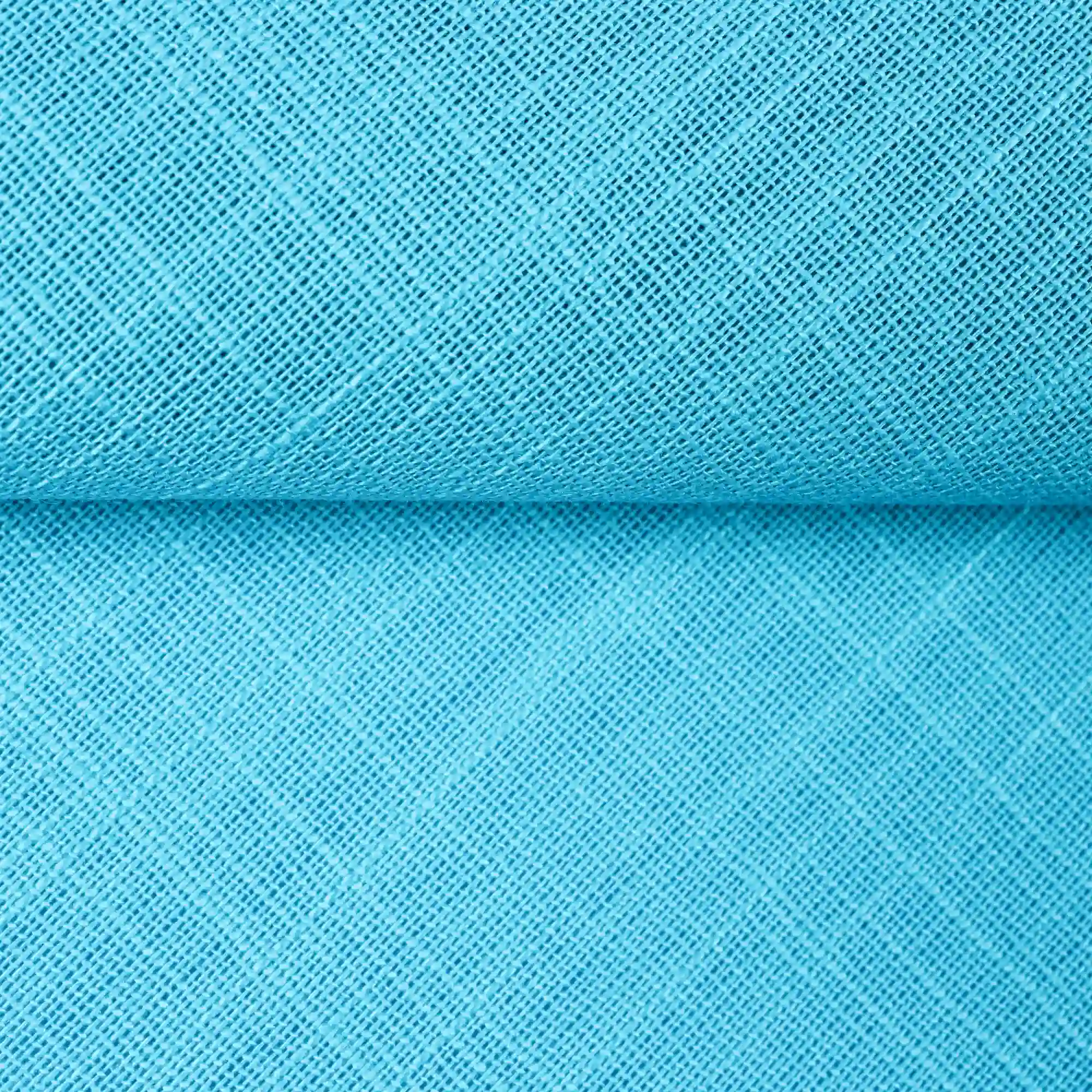
Physically, muslin is simple, organic, and has a slight, naturalistic texture and a matte finish. Its original color is either off-white or beige, but it can be easily whitened, dyed, or printed for different purposes.
When scrutinized closely, muslin exhibits:
Small-scale intersecciones of fine lines (ordinary weave)
Uniform, dull texture that lacks sheen.
A small amount of transparency in the light
In fashion-related studios, the neutral tone of muslin is ideal for mockups, draping, and sampling, because it mimics the structure of garments without obscuring the visual.
What is Muslin Fabric Used For?
Muslin fabric is one of the most multifunctional materials in the textile industry. Its balance of softness, breathability, and adaptability makes it suitable for a wide range of commercial, industrial, and fashion uses.
Main Applications of Muslin Fabric
| Industry | Common Applications |
| Fashion & Apparel | Dress prototypes, linings, pattern testing, lightweight summer garments |
| Home Textiles | Curtains, tablecloths, upholstery covers, bedding |
| Medical Field | Gauze, bandages, baby wraps, disposable sheets |
| Industrial Use | Filter cloths, polishing cloths, protective wrapping |
| Photography & Theatre | Backdrops, stage curtains, light diffusers |
| Culinary & Household | Cheesecloth, straining cloth, reusable food wrap |
How to Wash Muslin Fabric?
Adequate care increases the life expectancy of muslin fabric, especially for industrial or frequent-use scenarios.
Washing Rules:
Machine Wish: Use a mild cycle with warm or cool water.
Detergent: A mild, non-whitening detergent is recommended.
Drying: Low heat or air dry to avoid shrinking.
Ironing: Use a medium temperature while the fabric is still damp in order to have the greatest results.
Avoid:
harsh chemicals
extended soaking
High-temperature drying
Following these procedures ensures that muslin maintains its softness and shape, specifically for the commercial purpose of textile recycling.
How to Dye Muslin Fabric?
Because muslin is typically composed of natural cotton fibers, it is very effective at absorbing colors. This is beneficial for companies like B2B Dyeing, Designers, and Do It Yourself who want to color their own fabric.
Base Dyeing Method:
Pre-wash: Remove existing oil or finish.
Create a Dye bath: Combine water and salt with a fiber-reactive color.
Soak fabric: Immerse the muslin in the water for 20-30 minutes, occasionally stirring.
Thorough Rinse: Until the water is clean.
Set Color: Use vinegar or soda ash to maintain.
Muslin is capable of producing vibrant, even colors that are ideal for fashion sampling or custom orders of textiles.
How to Print on Muslin Fabric?
Muslin’s wrinkled, transparent composition is ideal for multiple printing methods.
Common methods of printing:
Screen Printing: It’s ideal for personalized designs and logos.
Block Printing: The traditional method of manufacturing patterns for crafts.
Digital printing: High-quality prints that are modern in production.
Heat transfer printing: It’s used for small quantities of branding or promotional fabric.
Before printing, muslin should be pre-cleaned and heated to ensure the best colorfastness.
Advantages of Muslin Fabric for Industrial and Commercial Use
Muslin’s appeal to buyers is attributed to its variety of uses and practicality.
Key Benefits:
Lightweight & Breathable: It promotes comfort and air flow.
Effective: Lower expense compared to other fabric types.
Eco-Friendly: all of it is biodegradable and natural.
Easily Adjustable: Capable of being dyed, printed, or finished.
Durable due to its weight: can withstand washing and handling.
Excellent Base Material: It’s ideal for prototypeing and testing new designs.
Sustainability and Eco Value of Muslin Fabric
As consumers around the world seek environmentally friendly solutions, muslin fabric is naturally part of a textile strategy that is environmentally friendly.
produced from recycled cotton fibers
Requires the least amount of chemical processing.
completely biodegradable
Acceptable with organic cotton
Reusable in textile waste streams.
Many organizations now utilize organic fabric for children’s clothing, environmental textiles, and products that are zero-waste.
Market Outlook for Muslin Fabric (2025 and Beyond)
The global muslin fabric market is projected to grow steadily due to:
Increasing demand for breathable natural fabrics
Expansion of home and baby textile segments
Rising awareness of sustainable materials
Market Growth Snapshot
| Region | Market Trend |
| Asia-Pacific | Leading production and export hub |
| Europe | High demand for sustainable muslin |
| North America | Strong in fashion & home décor sectors |
| Middle East & Africa | Growing in baby textile and medical use |
Where to Buy Cheap Muslin Fabric?
For consumers who want to buy fabric, finding reliable providers that consistently provide high quality and reasonable prices is crucial. One reliable partner for sourcing is honrysweater.com.
Why purchase from honrysweater.com?
Direct factory supply: Discounted wholesale prices.
Large fabric variety: Muslin, cotton blends, and synthetic fibers.
B2B support: Customization options for OEM/ODM.
Fast global transport: Adept at international shopping of textile.
Quality assurance: Constant weave density and high cotton content.
Regardless of your purpose, honrysweater.com provides effective fabric solutions with accurate pricing and superior service.
Conclusion
Muslin fabric is simple to appear, but its versatility and practicality are what make it a fundamental component of the global textile industry. It spans the gap between affordable production and superior performance, and it serves multiple purposes- from delicate fashion to durable industrial applications.
For companies that want fabric that is both breathable and sustainable, muslin is still an unbeatable option.
As a consumer, purchasing fabric from suppliers like honrysweater.com guarantees access to top-notch, wholesale fabric that meets both production efficiency and sustainability requirements.