跳到内容
跳到内容 

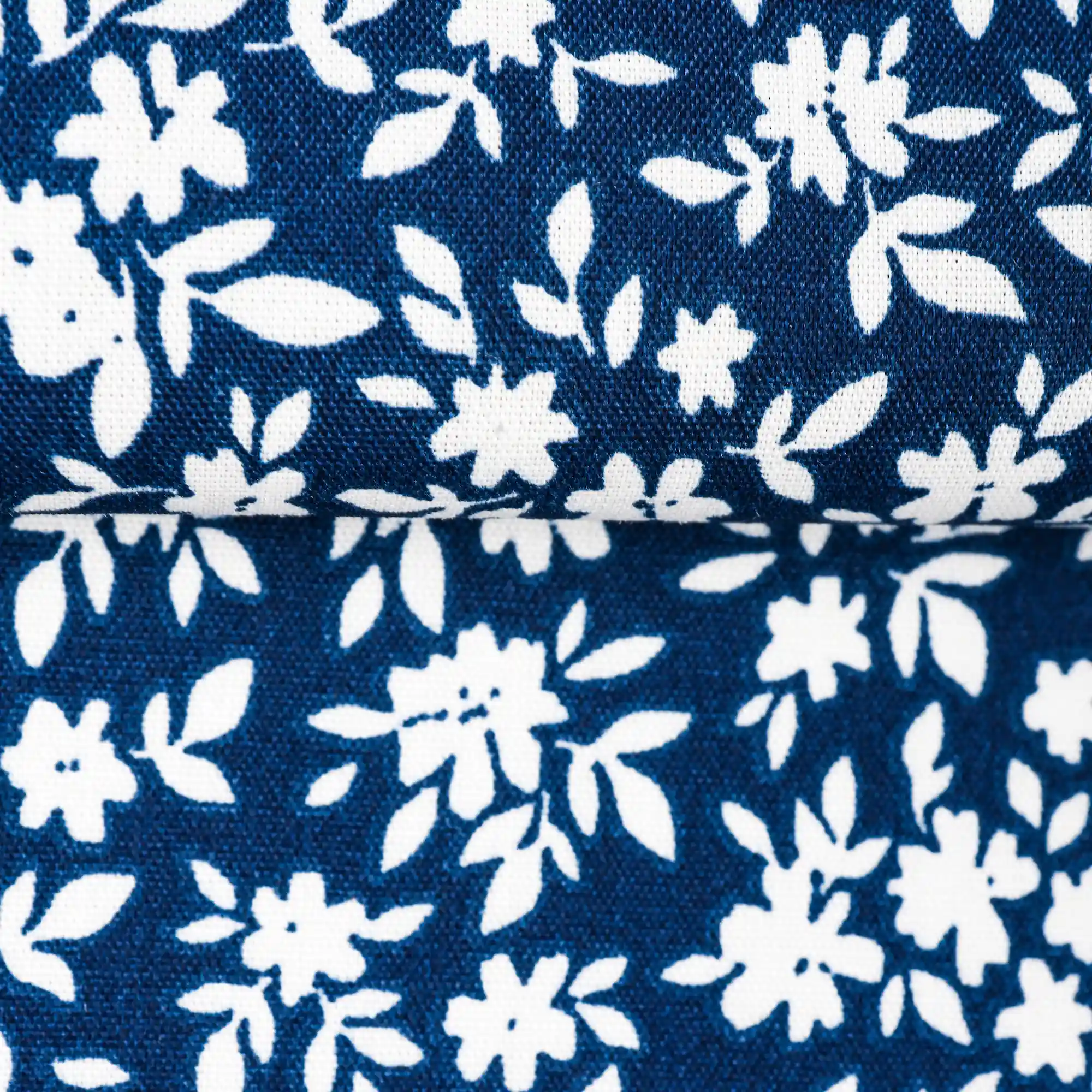
Printed fabric is a textile material that has been decorated with colours, graphics, patterns, motifs, or designs using various printing techniques, rather than relying solely on woven colour construction.
According to textile printing standards and research published by organisations such as the Textile Institute and the AATCC, printed fabric plays a critical role in modern apparel, interior decoration, industrial textiles, fashion design and technical textile applications, as it enables highly customisable surface aesthetics, branding flexibility and mass design scalability.
The production of modern printed fabrics increasingly combines digital printing technology, sustainable dye chemistry, high-speed automation, and advanced textile engineering in order to meet the growing global demand for personalised, visually distinctive textile products.
Introduction: Understanding Printed Fabric in the Modern Textile Industry
Printed fabric is one of the most important and visually influential components of the global textile and apparel industry. From fashion garments and home furnishings to sportswear, medical textiles, advertising materials, and industrial products, it surrounds modern consumers in nearly every aspect of daily life.
While many people recognise printed textiles visually, fewer fully understand the technical meaning of “printed fabric” within textile manufacturing and design.
Put simply, printed fabric is textile material that has decorative patterns, colours, images, or graphics applied to its surface after it has been woven or knitted.
Unlike yarn-dyed textiles, where colour exists within the yarn before fabric production, printed fabrics apply visual designs directly to finished fabric surfaces.
This distinction is important because it influences:
- Design flexibility
- Production cost
- Fabric appearance
- Manufacturing speed
- Colour complexity
- Market customisation
- Fashion adaptability
Today, printed fabric is used extensively across industries, including:
| Промышленность | Printed Fabric Applications |
| Мода | Dresses, shirts, jackets |
| Home textiles | Curtains, bedding, upholstery |
| Спортивная одежда | Team apparel and branding |
| Medical textiles | Patterned healthcare fabrics |
| Automotive | Seat covers and interiors |
| Advertising | Promotional banners |
| Children’s products | Cartoon and themed textiles |
| Промышленный текстиль | Functional printed materials |
The global printed textile market has expanded dramatically due to several major trends:
- Fast fashion growth;
- Personalised consumer demand;
- Ecommerce customisation;
- Digital textile printing technology;
- Sustainable manufacturing innovation;
- Interior decoration trends;
- Brand identity marketing.
Modern printed fabric production now combines traditional craftsmanship with advanced industrial automation and digital imaging technologies.
Today’s textile printers can produce:
- Highresolution graphics
- Photorealistic patterns
- Complex colour gradients
- Small-batch customised designs
- Large-scale commercial production
The rise of digital textile printing has transformed the manufacturing of printed fabrics, especially rapidly.
Compared with traditional rotary or screen printing systems, digital textile printing enables:
- Faster design changes
- Reduced inventory waste
- Lower setup costs
- Short-run production efficiency
- Personalised textile manufacturing
At the same time, sustainability concerns are reshaping the printed fabric industry.
Manufacturers are increasingly seeking:
- Water-saving printing systems
- Eco-friendly dyes
- Reduced chemical discharge
- Recycled textile substrates
- Energy-efficient production
As global consumers continue to demand more visually distinctive, personalised and environmentally responsible textile products, the printed fabric sector remains one of the fastest evolving within the international textile industry.

What Is Printed Fabric?
Printed fabric is a type of textile material onto which decorative colours, images, patterns or graphics have been applied through specialised printing methods.
This process takes place after the base fabric has been manufactured using weaving, knitting, or nonwoven production techniques.
The main purpose of printing fabric is to decorate its surface.
Printed fabrics may feature:
- Floral patterns
- Geometric designs
- Abstract art
- Logos
- Branding graphics
- Photographic images
- Animal prints
- Fashion motifs
Unlike solid-colour textiles, printed fabrics enable a wide variety of visual aesthetics without altering the fabric’s structural composition.
The following table compares printed fabric with dyed fabric.
| Тип ткани | Color Application Method |
| Printed fabric | Surface-applied design |
| Yarndyed fabric | Colored yarn before weaving |
| Piecedyed fabric | Entire fabric dyed uniformly |
| жаккардовой ткани | Pattern woven structurally |
One major advantage of printed fabric is the flexibility of its design.
Manufacturers can rapidly change:
- Colours
- Artwork
- Seasonal themes
- Fashion collections
- Brand visuals
without having to redesign the base fabric construction.
The production of printed fabric generally involves several key stages:
- Fabric preparation
- Design creation
- Printing application
- Drying and fixation
- Washing and finishing
- Quality inspection
Fabric preparation is especially important because surface cleanliness significantly affects print quality and dye adhesion.
Different textile fibres also require different printing chemistries.
For example:
Cotton often uses reactive printing dyes.
Polyester commonly uses sublimation printing.
Silk may require acid dyes.
Nylon often uses disperse dye systems.
Another important distinction is print permanence.
High-quality printed fabrics are engineered to resist:
- Washing damage
- Colour fading
- Abrasion
- UV exposure
- Chemical degradation
Modern textile engineering is making printed fabrics increasingly durable through advanced finishing technologies and dye stabilisation systems.
Main Types of Printed Fabric
Printed fabric can be classified in several different ways, including by:
- Printing method
- Fabric material
- Design purpose
- Production scale
- Surface effect
One of the most common classifications involves printing technology.
Screen printing is one of the oldest and most widely used methods.
In this technique, ink is pushed through mesh screens onto fabric surfaces.
Advantages include:
- Strong colour saturation;
- Good durability;
- Cost efficiency for large volumes.
However, screen printing becomes less efficient for highly detailed, multicolour designs.
Digital textile printing is one of the fastest-growing printing technologies globally.
Digital printing uses inkjet systems to apply designs directly to fabric from computerised image files.
Advantages include:
- Photographic detail
- Fast customisation
- Smallbatch flexibility
- Reduced setup time
The following table summarizes major fabric printing methods.
| Printing Method | Main Advantages | Общие приложения |
| Screen printing | Durable bulk production | T-shirts and fashion |
| Digital printing | High detail customization | Fashion and décor |
| Rotary printing | Highspeed industrial output | Largescale textiles |
| Sublimation printing | Excellent polyester printing | Спортивная одежда |
| Block printing | Artistic handcrafted appearance | Artisan textiles |
Rotary printing is widely used in industrial-scale production.
In this method, designs are transferred continuously onto fabric rolls using rotating cylinders.
Sublimation printing has become very important for polyester textiles.
The process involves converting dye into a gas using heat, which allows it to bond permanently with synthetic fibres.
This technology is especially popular in:
- Спортивная одежда
- Activewear
- Promotional textiles
Hand block printing remains important in the artisanal and luxury textile sectors.
Although slower than industrial systems, block printing provides a unique, handcrafted aesthetic that is highly valued in premium markets.
Common Materials Used for Printed Fabric
While almost every textile material can be printed, different fibres respond differently to printing technologies and dye systems.
Cotton remains one of the most commonly printed fabrics globally due to its:
- Dye absorption capability
- Дышащие свойства
- Softness
- Natural appearance
Cotton printed fabric is widely used in:
- Fashion apparel
- Bedding
- Children’s textiles
- Casual clothing
Polyester has become increasingly important due to sublimation printing technology.
Polyester printed fabrics offer:
- Bright colour vibrancy
- Wash durability
- Wrinkle resistance
- Fast production scalability
The following table compares common printed fabric materials.
| Fabric Material | Printing Characteristics |
| Хлопок | Excellent dye absorption |
| Полиэстер | Vibrant sublimation printing |
| Шелк | Luxury visual appearance |
| Района | Soft drape and print clarity |
| Linen | Natural textured appearance |
| Нейлон | Durable synthetic performance |
Silk printed fabrics remain highly valued in the luxury fashion industry thanks to their elegant sheen and rich colours.
Rayon printed fabrics are popular for lightweight garments because they combine a soft drape with strong print visibility.
The texture of the fabric also significantly influences the appearance of the print.
Smooth fabrics generally produce sharper image detail, whereas textured surfaces can slightly soften or distort printed visuals.
Another increasingly important category is sustainable printed fabric.
Manufacturers now increasingly use:
- Organic cotton
- Recycled polyester
- Bamboo fibres
- Eco-friendly printing chemistry
To meet the demand of environmentally conscious consumers.

How Printed Fabric Is Made?
The production of printed fabrics combines textile engineering, chemistry, design technology, and industrial manufacturing systems.
The process typically starts with fabric preparation.
The prepared fabric must be:
- Clean;
- Flat;
- Chemically stable;
- Properly tensioned.
Impurities may interfere with print adhesion and colour consistency.
The next stage involves design preparation.
Modern textile designers use advanced graphic software to create:
- Repeat patterns
- Colour separations
- Digital artwork
- Scale adjustments
The printing application then transfers the design onto the fabric surface.
Different technologies require different machinery, including:
- Flatbed printers
- Rotary presses
- Inkjet systems
- Heat transfer units
After printing, fixation stabilises the dyes or pigments onto the fabric.
Fixation methods include:
| Fixation Method | Typical Use |
| Heat curing | Pigment printing |
| Steam fixation | Reactive dye printing |
| Sublimation heating | Polyester printing |
| UV curing | Specialty textiles |
Excess chemicals are removed, and fabric performance is improved through washing and finishing processes.
Modern finishing treatments can enhance the following properties:
- Softness
- Wrinkle resistance
- Water repellency
- UV protection
- Antimicrobial properties
Quality control is extremely important because printed fabrics must maintain:
- Colour consistency
- Registration accuracy
- Pattern alignment
- Surface durability
Modern digital automation is increasingly improving printing precision while reducing material waste and production errors.
Advantages of Printed Fabric
Printed fabric has several major advantages that explain its enormous importance in the global textile market.
One of the most significant of these is visual diversity.
Printed fabric allows for almost unlimited creative possibilities, including:
- Complex artwork;
- Brand graphics;
- Seasonal collections;
- Personalised designs.
This flexibility enables effective support for fast-changing fashion trends.
Another major advantage is cost efficiency.
Compared with woven patterned fabrics, such as jacquards, printed fabrics often have lower production costs for visually complex designs.
The following table summarizes major benefits.
| Advantage | Почему это важно |
| Design flexibility | Unlimited creative options |
| Fast trend adaptation | Rapid fashion production |
| Cost efficiency | Lower pattern production cost |
| Brand customization | Marketing and identity |
| Scalable manufacturing | Large industrial output |
| Personalized production | Small-batch customization |
Digital printing is particularly well-suited to modern e-commerce customisation trends.
Consumers are increasingly seeking unique, personalised textile products rather than standardised, mass-market designs.
Printed fabric also enables businesses to create stronger visual branding through customised logos and promotional graphics.
Another important advantage is the speed of production.
Modern digital textile printing systems enable manufacturers to bring new collections to market much faster than traditional textile production systems.
As fashion cycles accelerate globally, the ability to print quickly becomes increasingly commercially valuable.
Sustainability Trends in Printed Fabric Manufacturing
The textile industry is under increasing pressure to address its environmental impact, particularly with regard to water use, chemical pollution, and waste generation.
Traditional textile printing has historically consumed significant resources, including:
water, energy, chemical dyes, and processing agents.
Modern sustainability initiatives are rapidly reshaping the manufacturing of printed fabrics.
Digital textile printing significantly reduces water consumption compared with traditional printing systems.
Manufacturers are increasingly adopting the following:
- Waterless printing systems
- Ecocertified inks
- Low-energy curing methods
- Recyclable substrates
Another major trend is on-demand production.
Instead of producing large quantities of inventory, digital printing supports smaller, customised manufacturing runs.
This reduces:
- Overstock waste
- Unsold inventory
- Textile disposal
Recycled polyester printed fabric is also growing rapidly within the sportswear and fashion sectors.
Ecoconscious consumers are increasingly prioritising sustainable textile sourcing when purchasing apparel and home products.
As environmental regulations continue to tighten globally, the innovation of sustainable printed fabrics will likely become even more important across the textile industry.
FAQ About Printed Fabric
- What does printed fabric mean?
Printed fabric refers to textile material decorated with patterns, colors, or graphics applied onto the fabric surface using printing methods.
- What is the difference between printed fabric and dyed fabric?
Printed fabric contains surface designs or patterns, while dyed fabric is usually colored uniformly throughout the material.
- Which fabrics are best for printing?
Cotton, polyester, silk, rayon, and linen are commonly used for textile printing depending on the application and printing technology.
- Is printed fabric durable?
Yes. High-quality printed fabrics are engineered to resist fading, washing damage, and abrasion.
- What is digital fabric printing?
Digital fabric printing uses inkjet technology to print computerized designs directly onto textile surfaces.
- Is printed fabric environmentally friendly?
Modern sustainable printed fabric production increasingly uses eco-friendly inks, reduced water consumption, and recyclable materials.
Заключение
Printed fabric is one of the most versatile, creative, and commercially important sectors of the modern textile industry. By applying decorative patterns, graphics, colours and visual designs directly to textile surfaces, printed fabrics offer extraordinary flexibility in fashion apparel, home furnishings, technical textiles, sportswear, branded products and industrial applications. Unlike woven textiles with structural patterns, printed fabrics offer manufacturers and designers rapid creative adaptability, lower production complexity and highly scalable customisation opportunities, which align perfectly with today’s fast-changing consumer markets.
The evolution of textile printing technology has dramatically expanded the possibilities of printed fabric manufacturing. While traditional methods such as screen printing and rotary printing remain important for industrial-scale production, digital textile printing has transformed the industry through high-resolution imaging, personalised customisation, faster sampling and reduced setup costs. Meanwhile, modern fabric engineering, dye chemistry and finishing technologies are continually improving print durability, colour performance, wash resistance and environmental sustainability.
As the global demand for personalised fashion, branded textiles, sustainable manufacturing and rapid product development continues to grow, printed fabric will remain a central pillar of the international textile economy. Future advancements in eco-friendly printing systems, AI-assisted textile design, smart fabrics, and digital production technologies will likely further strengthen the role of printed fabrics in commercial manufacturing and creative textile innovation worldwide.