跳到内容
跳到内容 
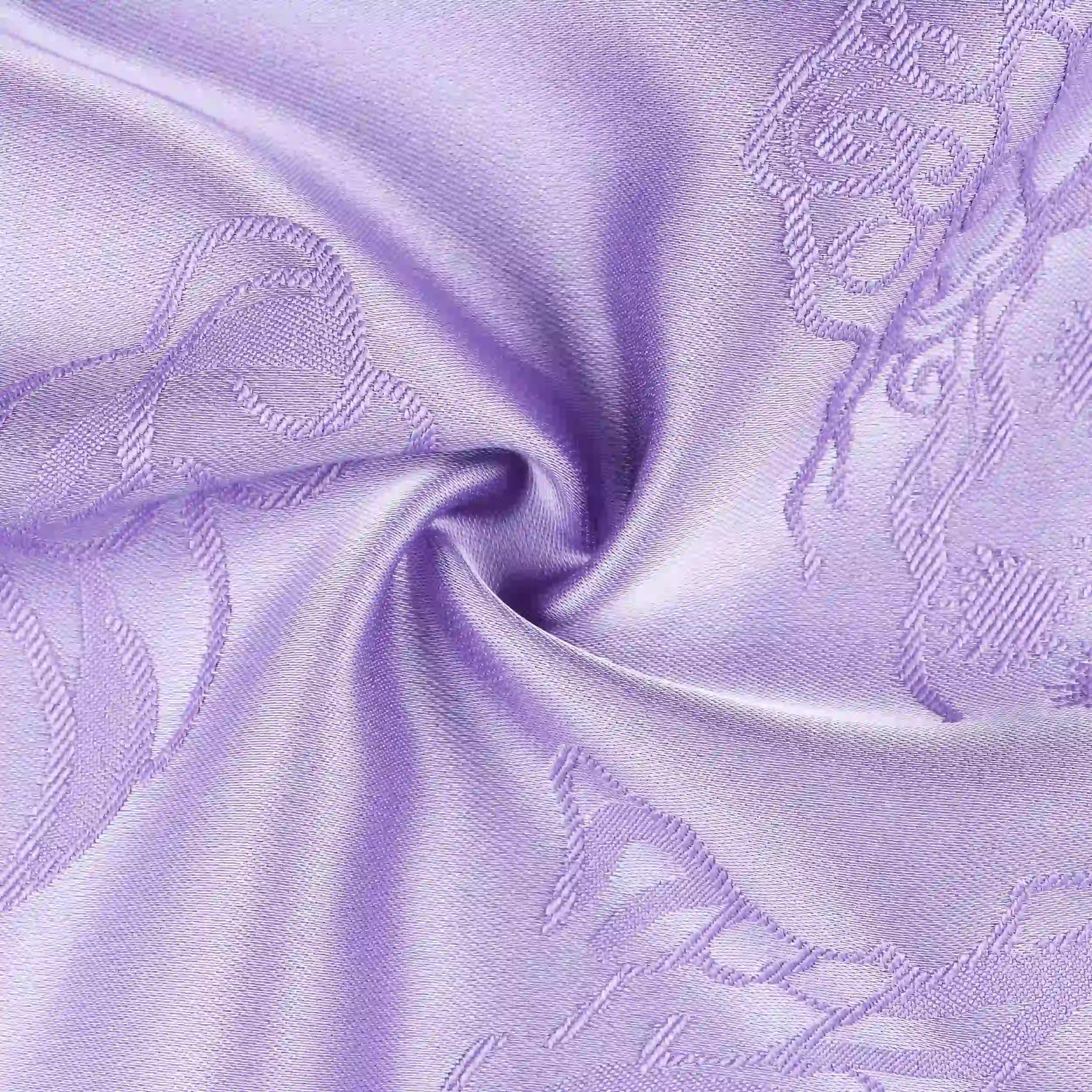
Yes, tecido jacquard can be good for your skin, but its skinfriendliness largely depends on the fibre composition rather than the jacquard weaving technique itself.
Research published in the Textile Research Journal and the Journal of Engineered Fibres and Fabrics, as well as studies by the International Textile Manufacturers Federation (ITMF), suggests that jacquard fabrics made from natural fibres such as cotton, silk, bamboo, and certain wool blends generally offer excellent breathability, moisture management, and comfort. However, synthetic jacquard fabrics may vary in skin compatibility depending on the quality of the yarn and the finishing treatments used.
Introduction: Why Skin Comfort Matters in Modern Textiles
Today’s consumers are more informed than ever about the relationship between textiles and skin health. As well as looking good and being durable, people increasingly want fabrics that feel comfortable, reduce irritation, regulate temperature, and support overall well-being. Consequently, questions such as ‘Is jacquard fabric good for your skin?’ are becoming increasingly common among apparel buyers, home textile consumers, fashion designers, and sourcing professionals.
The answer is more nuanced than a simple yes or no. Unlike cotton, silk, or polyester, ‘jacquard’ does not refer to a specific fibre, but to a weaving method. This distinction is important because the comfort, breathability, softness, and skinfriendliness of jacquard fabrics depend primarily on the yarns used in their manufacture.
In recent years, jacquard fabrics have become increasingly popular in:
fashion apparel, women’s wear, men’s clothing, children’s garments, luxury bedding, upholstery, decorative textiles, and performance textiles. Their sophisticated patterns, premium appearance, and versatility make them highly desirable. However, consumers often wonder whether the textured nature of jacquard fabric affects skin comfort.
This comprehensive guide explores the science behind jacquard fabric and its interaction with the skin. It also covers the advantages and disadvantages of different fibres, sustainability trends, and how to select the most skin-friendly jacquard textiles in 2026.

What Is Jacquard Fabric?
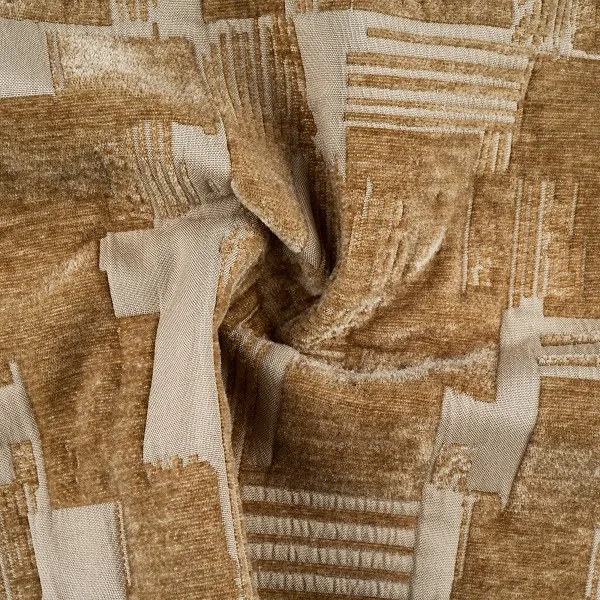
Jacquard fabric is produced using a jacquard loom, a type of weaving machine that can create complex patterns directly within the fabric’s structure, rather than printing or embroidering them onto the surface.
Invented by Joseph Marie Jacquard in the early nineteenth century, the Jacquard loom revolutionised textile manufacturing.
Unlike plain weave or twill fabrics, jacquard fabrics can incorporate:
- Floral motifs
- Geometric patterns
- Damask designs
- Brocade effects
- Raised textures
- Complex decorative structures
The resulting fabric often appears more luxurious and visually sophisticated than standard woven textiles.
It is important to note that ‘jacquard’ describes the weaving method, not the fibre content.
Jacquard fabrics may be produced using:
Cotton, silk, polyester, bamboo, linen, wool, viscose, and blended fibres.
Therefore, skin comfort depends significantly on material selection.
How Fabric Interacts With Human Skin?
In order to determine whether jacquard fabric is suitable for your skin, it is important to understand how textiles interact with the human body.
Several factors influence the comfort of textiles:
- Skinfabric friction
Excessive friction may cause:
- Irritation
- Chafing
- Redness
- Discomfort
Smooth, well-finished jacquard fabrics generally produce minimal friction.
- Moisture management
Human skin constantly releases moisture through perspiration.
A comfortable fabric should:
Absorb moisture
Transport moisture away from the skin
Allow evaporation
Poor moisture management can contribute to skin irritation.
- Thermal regulation
Fabric plays a major role in controlling body temperature.
Comfortable textiles help to maintain:
- Stable skin temperature
- Reduced overheating
- Improved airflow
- Chemical safety
Textiles may contain:
- Dyes
- Finishing agents
- Softeners
- Coatings
Safe processing methods significantly improve skin compatibility.
Is Jacquard Fabric Naturally Skin-Friendly?
The jacquard weaving process itself does not make a fabric inherently better or worse for the skin.
Instead, skinfriendliness depends on the following factors:
- Fibre composition;
- Fabric density;
- Surface finishing;
- Dyeing methods;
- Moisture management properties.
In many cases, high-quality jacquard fabrics offer excellent comfort because they are often produced using premium yarns and sophisticated finishing techniques.
Comparing Common Jacquard Fiber Types
Skin Comfort Comparison Table
| Fiber Type | Softness | Breathability | Gestão da humidade | Skin Friendliness |
| Cotton Jacquard | High | Excelente | Excelente | Excelente |
| Silk Jacquard | Very High | Excelente | Bom | Excelente |
| Bamboo Jacquard | Very High | Excelente | Excelente | Excelente |
| Linen Jacquard | Moderado | Excelente | Excelente | Very Good |
| Wool Jacquard | High | Bom | Bom | Bom |
| Polyester Jacquard | Moderado | Moderado | Moderado | Variable |
| Viscose Jacquard | High | Bom | Bom | Very Good |
Natural fibers generally provide superior skin comfort compared to synthetic alternatives.
Cotton Jacquard: One of the Best Choices for Sensitive Skin
Cotton remains one of the most popular fibres used in the production of jacquard fabrics.
Its advantages include:
- High breathability
- Soft texture
- Excellent moisture absorption
- Minimal irritation risk
- Easy maintenance
For consumers with sensitive skin, cotton jacquard fabrics are often among the safest choices.
The natural fibre structure of cotton allows continuous airflow while minimising heat buildup.
Silk Jacquard and Luxury Skin Comfort
Silk jacquard is one of the most luxurious types of textile.
Its benefits include:
- Exceptional smoothness
- Natural temperature regulation
- Low friction
- Lightweight comfort
Silk proteins are naturally compatible with human skin, making silk jacquard a premium option for garments and bedding.
However, silk requires more careful maintenance than many other fibres.
Bamboo Jacquard: Growing Popularity in 2026
Bamboo-derived fibres have gained significant attention due to their comfort properties.
Advantages include:
- Soft texture
- Moisture management
- Breathability
- Natural comfort
Many consumers describe bamboo jacquard fabrics as having the texture of silk combined with the practicality of cotton.
Polyester Jacquard: Is It Bad for Skin?
Polyester jacquard is not harmful to the skin by nature.
However, the level of comfort can vary significantly depending on the quality.
High-quality polyester jacquard may offer the following:
- Durabilidade
- Wrinkle resistance
- Shape retention
Potential drawbacks include:
- Reduced breathability
- Lower moisture absorption
- Increased heat retention
For consumers with highly sensitive skin, natural fibre jacquards are often preferable.

Does Jacquard Fabric Cause Allergies?
In most cases, the fabric itself does not cause allergies.
When irritation occurs, common causes include:
- Chemical residues
- Dye sensitivities
- Finishing agents
- Synthetic fibre reactions
Certified fabrics that meet standards such as OEKOTEX® generally pose a lower risk.
Breathability of Jacquard Fabric
Breathability is one of the most important factors affecting skin comfort.
Breathability Comparison
| Tipo de tecido | Breathability Rating |
| Cotton Jacquard | Excelente |
| Bamboo Jacquard | Excelente |
| Linen Jacquard | Excelente |
| Silk Jacquard | Very Good |
| Viscose Jacquard | Very Good |
| Polyester Jacquard | Moderado |
Better breathability typically translates to improved comfort during prolonged wear.
Jacquard Fabric in Clothing Applications
Jacquard fabrics are widely used for:
- Dresses
- Sweaters
- Blazers
- Jackets
- Skirts
- Shirts
- Scarves
The woven patterns create visual interest without requiring additional decoration.
For apparel applications, comfort depends heavily on fabric weight and fibre selection.
Jacquard Fabric for Bedding and Home Textiles
Jacquard fabrics are also commonly used for:
- Duvet covers
- Pillowcases
- Bedspreads
- Curtains
Luxury bedding manufacturers frequently select cotton or bamboo jacquard fabrics due to their skin-friendly properties.
Consumers often appreciate the balance between decorative appeal and comfort that they offer.
Sustainability and Skin Health
The production of sustainable textiles is increasingly influencing skin compatibility.
Eco-conscious manufacturing often reduces the use of:
- Harsh chemicals
- Excessive finishing agents
- Hazardous dyes
As sustainability becomes a priority, many jacquard producers are adopting safer processing methods.
How to Choose SkinFriendly Jacquard Fabric?
When evaluating jacquard fabrics, consider the following:
Fibre content: natural fibres generally provide greater comfort.
Fabric weight: Medium-weight fabrics often strike a balance between comfort and durability.
Certifications: Look for:
- OEKOTEX®
- GOTS
- Bluesign®
Surface feel
The fabric should feel smooth rather than abrasive.
Intended use: different applications require different performance characteristics.
Common Myths About Jacquard Fabric
Myth 1: Jacquard Fabric Is Always Rough
False. Many jacquard fabrics are exceptionally soft.
Myth 2: Jacquard Is a Fiber
False. Jacquard refers to a weaving technique.
Myth 3: All Polyester Jacquard Is Uncomfortable
False. Quality varies significantly.
Myth 4: Jacquard Fabric Is Only Decorative
False. Modern jacquard textiles combine functionality and aesthetics.
Future Trends in Jacquard Fabric Development
The jacquard sector is continuing to evolve rapidly.
Emerging innovations include:
- Recycled jacquard yarns;
- Biobased fibres;
- Smart textiles;
- Digital jacquard weaving;
- Temperature-regulating fabrics;
- Antimicrobial treatments.
These advancements are expected to improve both comfort and sustainability.
FAQ: Popular Questions About Jacquard Fabric
- Is jacquard fabric good for sensitive skin?
Yes, especially when made from cotton, bamboo, silk, or other natural fibers.
- Is jacquard fabric breathable?
Most jacquard fabrics made from natural fibers offer excellent breathability.
- Does jacquard fabric cause itching?
High-quality jacquard fabrics generally do not cause itching. Irritation is usually related to fiber type or chemical finishes.
- Is jacquard fabric suitable for summer?
Lightweight cotton, bamboo, and linen jacquard fabrics are suitable for warm-weather use.
- Which jacquard fabric is best for bedding?
Cotton jacquard and bamboo jacquard are among the most comfortable options.
- Is polyester jacquard safe for skin?
Yes, although comfort levels may be lower than natural fiber alternatives due to reduced breathability.
Conclusão
So, is jacquard fabric kind to your skin? In most cases, the answer is yes. The jacquard weaving process itself does not have a negative effect on skin comfort. Instead, how friendly the fabric is to the skin depends primarily on the fibres used, the way the fabric is constructed, the finishing methods used, and the quality of the manufacturing.
Jacquard fabrics made from natural fibres such as cotton, bamboo, silk, and linen generally offer the highest levels of comfort, breathability, and moisture management. High-quality jacquard textiles are also durable, elegant, and versatile, making them popular in both the apparel and home textile markets.
As the textile industry continues to innovate with sustainable materials, safer finishing technologies, and smart fabric development, jacquard fabric is likely to remain one of the most versatile and skin-friendly woven textile categories available in 2026 and beyond.