跳到内容
跳到内容 

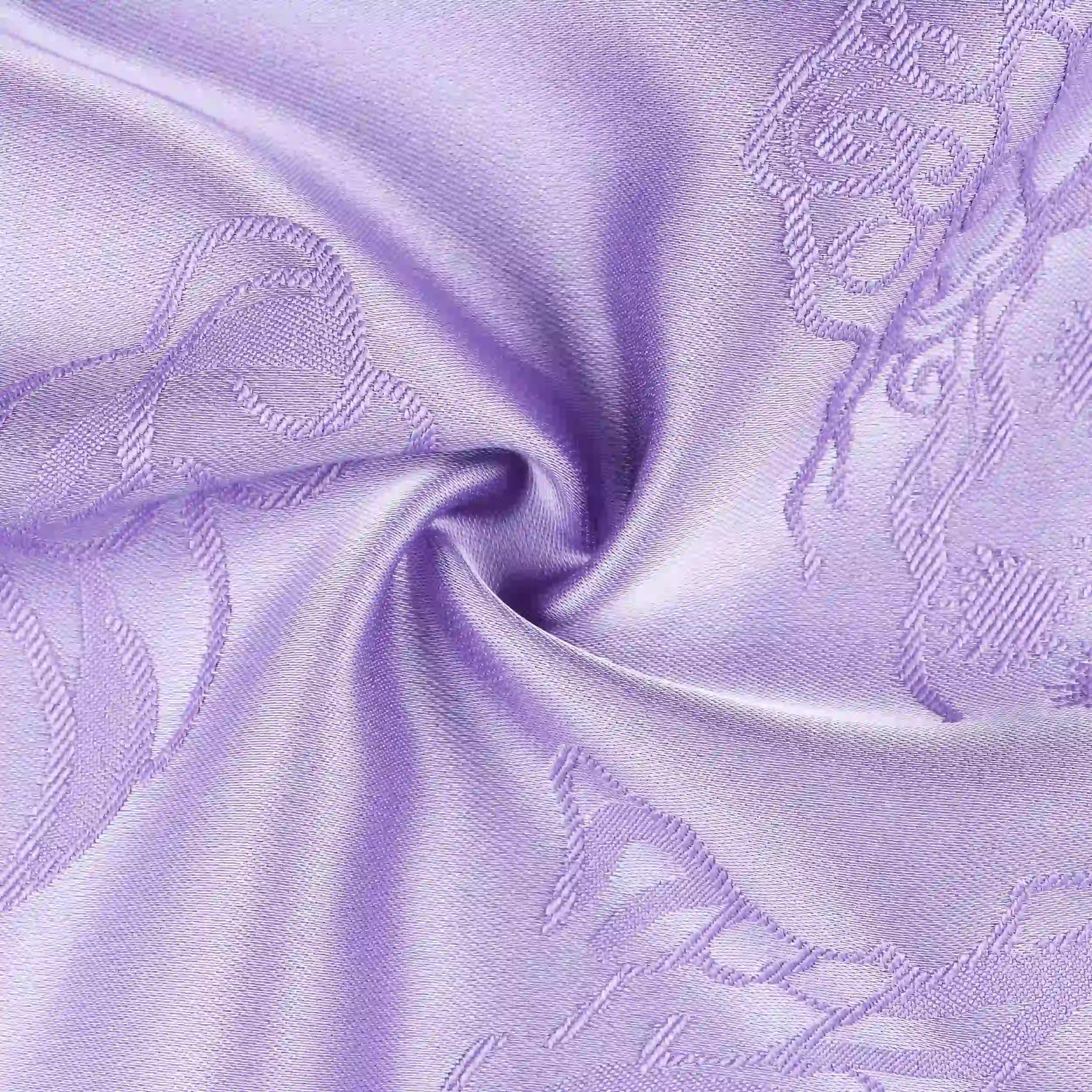
Taffeta is a smooth, crisp, plain-woven textile that was traditionally made from silk, but is now commonly produced from polyester, nylon, acetate, or blended fibres. Renowned for its distinctive rustling sound, elegant sheen, dimensional stability, and ability to hold its shape, taffeta is widely used for evening wear, bridal gowns, home décor, linings, costumes, and luxury fashion items, as well as for event decorations.
According to Textiles: Fibre to Fabric by Bernard P. Corbman and Fabric Science by Joseph J. Pizzuto, taffeta’s tightly woven structure provides durability, wrinkle resistance, and excellent drape control, making it one of the most versatile fabrics for apparel and interior applications.
Introduction
Taffeta fabric occupies a unique position among the many fabrics used in the textile and fashion industries. Instantly recognisable by its crisp texture, subtle sheen and distinctive rustling sound, taffeta has been synonymous with elegance and luxury for centuries. Traditionally woven from fine silk yarns and favoured by royalty and aristocrats, modern taffeta has evolved into a highly versatile textile, available in a variety of fibres. It finishes suitable for premium and commercial applications alike.
Today, taffeta can be found far beyond the realm of high-end fashion. It is used for bridal wear and evening dresses, as well as for curtains, upholstery accents, decorative event backdrops, sportswear linings, umbrellas, and certain technical textile applications. Its popularity stems from its rare combination of properties: it is lightweight yet structured, smooth yet durable, and decorative yet practical. These characteristics enable designers, manufacturers, and consumers to use taffeta across a broad range of industries.
As textile technologies advance, taffeta fabric remains relevant because it can be adapted to meet modern requirements such as sustainability, performance enhancement, and cost efficiency. This guide explores the properties, advantages, and disadvantages of taffeta fabric, its manufacturing methods, and its many applications, which make it one of the most enduring fabrics in the global textile market.
What Is Taffeta Fabric?
Taffeta is a tightly woven, plain-weave fabric with a smooth surface, a crisp texture, and a moderate lustre. It is believed that the name ‘taffeta’ originates from the Persian word ‘taftah’, meaning ‘twisted woven’.
Traditionally, taffeta was produced exclusively from silk. However, modern manufacturing has expanded production to include the following:
- Polyester taffeta
- Nylon taffeta
- Acetate taffeta
- Rayon taffeta
- Silk-polyester blends
- Recycled synthetic taffeta
The defining feature of taffeta lies in its weave rather than its fibre content. The plain weave structure creates a firm, tightly packed fabric that resists excessive stretching while maintaining a smooth appearance.
Unlike soft, flowing fabrics such as chiffon or georgette, taffeta holds its shape exceptionally well, making it particularly valuable for structured garments and decorative applications.

Key Characteristics of Taffeta Fabric
Understanding the physical properties of taffeta helps to explain why it is used so widely across multiple industries.
-
Crisp texture
One of the most distinctive qualities of taffeta fabric is its crisp texture. This allows garments and decorative products to hold their shape without the need for heavy interfacing or structural support.
For designers, this property creates opportunities to produce dramatic silhouettes, voluminous skirts, structured sleeves, and elegant decorative elements.
-
Smooth surface
Taffeta’s tightly woven construction results in a smooth, even surface with minimal texture.
Benefits include:
- Elegant appearance
- Reduced friction
- Improved printability
- Enhanced visual quality
The smooth surface contributes significantly to its popularity in formal wear and luxury textiles.
-
Characteristic sheen
Most taffeta fabrics have a subtle to moderate sheen.
The level of lustre varies depending on:
- Fibre type
- Yarn quality
- Finishing treatments
- Weaving techniques
Silk taffeta generally exhibits the richest and most sophisticated lustre, while polyester taffeta offers a more economical alternative.
-
Excellent shape retention
Unlike many lightweight fabrics, taffeta resists collapse and maintains its structure.
This property makes it highly suitable for:
- Bridal gowns
- Ball gowns
- Decorative drapery
- Event decorations
The ability to hold its shape is one of the main reasons why designers continue to choose taffeta.
-
Lightweight construction
Although it is structurally stable, most taffeta fabrics remain relatively lightweight.
This combination of low weight and high stability is particularly advantageous for garments that require volume without being overly bulky.
Types of Taffeta Fabric
Not all taffeta fabrics are the same. Different fibres and manufacturing techniques create unique variations that are suited to specific applications.
-
Silk taffeta
Silk taffeta is the traditional and most luxurious form of the fabric.
Characteristics include:
- Natural sheen
- Superior drape
- Lightweight elegance
- Excellent breathability
Common applications:
- Couture garments
- Luxury bridal wear
- Historical costumes
- High-end interior décor
Despite its premium appearance, silk taffeta requires more careful maintenance than synthetic alternatives.
-
Polyester taffeta
Polyester taffeta is the most widely used modern version.
Advantages include:
- Lower cost
- Improved durability
- Wrinkle resistance
- Easy maintenance
응용 분야:
- Event decorations
- Linings
- Fashion apparel
- Outdoor products
Its affordability has significantly increased the commercial use of taffeta.
-
Nylon taffeta is valued for its strength and lightweight performance
Common uses include:
- Outdoor gear
- Windbreakers
- Sleeping bags
- 스포츠웨어
Compared to silk or polyester versions, nylon taffeta emphasises functionality rather than luxury aesthetics.
-
Shot taffeta
Shot taffeta uses differently coloured yarns in the warp and weft directions.
The result is an iridescent appearance that changes colour depending on the viewing angle.
Applications include:
- Evening gowns
- Stage costumes
- Decorative textiles
Its dramatic visual effect makes it popular in high-fashion designs.
What Is Taffeta Fabric Used For?
Thanks to its versatility, taffeta can be used in many different industries and for a wide range of products.
-
Bridal and wedding dresses
Perhaps no other application is more closely associated with taffeta than bridal fashion.
The fabric’s ability to create volume and maintain structure makes it ideal for:
- Ball gown skirts
- Wedding trains
- Structured bodices
- Bridal accessories
Designers often select taffeta when dramatic silhouettes are desired.
-
Evening wear and formal fashion
Taffeta has long been a staple of formal apparel.
Popular uses include:
- Cocktail dresses
- Prom gowns
- Redcarpet fashion
- Opera attire
Its elegant sheen and sculptural qualities contribute to a sophisticated appearance.
-
Fashion linings
Many premium garments use taffeta as a lining fabric.
Advantages include:
- Smooth feel against the skin
- Reduced garment friction
- Enhanced durability
- Improved appearance
Lining applications represent a significant portion of global taffeta consumption.
-
Home décor and interior design
Taffeta is widely used in decorative interior applications.
Examples include:
- Curtains
- Valances
- Cushion covers
- Decorative drapery
Its structured appearance adds elegance to interior spaces.
-
Event and wedding decorations
The event industry extensively utilises polyester taffeta.
Applications include:
- Chair covers
- Table overlays
- Backdrops
- Decorative bows
The fabric’s sheen and colour availability make it highly attractive for special events.
-
Costumes and theatrical productions
Stage productions frequently use taffeta due to its visual impact.
Benefits include:
- Strong colour presentation
- Shape retention
- Dramatic movement under lighting
Theatrical designers often prefer shot taffeta for enhanced visual effects.
-
Outdoor and technical applications
Certain taffeta constructions are used in performance products.
Examples include:
- Umbrellas
- Tent liners
- Windbreakers
- 경량 재킷
These applications typically utilise nylon or polyester variants.
Taffeta Fabric Compared to Other Popular Fabrics
| 특징 | 태피터 | 새틴 | Organza | Chiffon |
| Structure | Crisp | Soft | Stiff | Flowing |
| 광택 | 보통 | High | 보통 | Low |
| Shape Retention | 우수 | 보통 | High | Low |
| 무게 | Light | Medium | Very Light | Very Light |
| Formal Wear | 우수 | 우수 | 우수 | Good |
| Home Décor | 우수 | 보통 | Good | Limited |
This comparison highlights why taffeta remains a preferred choice when structure and elegance are equally important.
Advantages of Taffeta Fabric
Several characteristics contribute to the enduring popularity of taffeta.
-
Excellent Appearance
Taffeta provides a luxurious aesthetic without necessarily requiring expensive fibers.
-
내구성
The tight weave enhances resistance to wear and tear.
-
Shape Retention
The fabric maintains its structure exceptionally well.
-
다용도성
Applications span fashion, décor, events, and technical products.
-
Wide Fiber Availability
Manufacturers can select fiber types based on cost and performance requirements.
Taffeta Fabric Performance by Fiber Type
| 속성 | Silk Taffeta | 폴리에스터 태피타 | Nylon Taffeta |
| Cost | High | Low | Medium |
| 내구성 | Medium | High | Very High |
| 광택 | 우수 | Good | 보통 |
| Breathability | 우수 | 보통 | 보통 |
| Maintenance | Delicate | Easy | Easy |
| Outdoor Use | Limited | Good | 우수 |
Sustainability Trends in Taffeta Fabric
The textile industry is increasingly focused on sustainability.
Modern taffeta developments include:
- Recycled polyester taffeta
- Biobased synthetic fibers
- Watersaving dyeing technologies
- Lower-impact finishing processes
Brands seeking environmentally responsible materials increasingly incorporate recycled taffeta into product collections.
Future Outlook for Taffeta Fabric in 2026 and Beyond
Several factors continue driving demand for taffeta fabric:
- Growth of global bridal markets
- Expansion of event and hospitality industries
- Increased demand for decorative textiles
- Sustainable synthetic fiber innovations
- Premium fashion sector growth
Manufacturers continue developing lighter, stronger, and more sustainable versions while preserving the fabric’s signature appearance.
As consumers seek products that combine elegance, durability, and affordability, taffeta remains highly relevant across both traditional and emerging applications.
Q1: 샌드 워싱 공정은 최종 제품에 어떤 이점을 줍니까?
- What is taffeta fabric mainly used for?
Taffeta fabric is primarily used for bridal gowns, evening dresses, formal wear, fashion linings, curtains, event decorations, and certain outdoor products.
- Is taffeta fabric expensive?
The price depends on fiber content. Silk taffeta is relatively expensive, while polyester taffeta is generally affordable.
- Is taffeta suitable for wedding dresses?
Yes. Taffeta is one of the most popular fabrics for wedding dresses because it provides structure, volume, and an elegant appearance.
- Does taffeta wrinkle easily?
Some varieties may wrinkle, particularly silk taffeta. Polyester versions generally offer better wrinkle resistance.
- Is taffeta fabric breathable?
Silk taffeta is highly breathable. Synthetic taffeta fabrics offer moderate breathability depending on construction and finishing.
- What is the difference between taffeta and satin?
Taffeta uses a plain weave structure that creates a crisp texture, while satin employs a satin weave that produces a softer feel and higher sheen.
결론
Taffeta fabric remains one of the most versatile and enduring textiles on the global market. Its unique combination of a crisp structure, an elegant sheen, a lightweight construction, and exceptional shape retention makes it suitable for a remarkably wide range of applications. From bridal gowns and luxury fashion to home décor, event design, costume production, and technical textiles, taffeta offers designers and manufacturers a balance of beauty and functionality that few other fabrics can match.
As the textile industry innovates with recycled fibres, sustainable manufacturing methods, and performance-enhancing finishes, taffeta is evolving to meet changing consumer expectations. Whether chosen for its sophisticated appearance, practical durability, or structural capabilities, taffeta fabric will remain a valuable material and continue to play a significant role in fashion, interiors, and industrial textiles until at least 2026.