跳到内容
跳到内容 

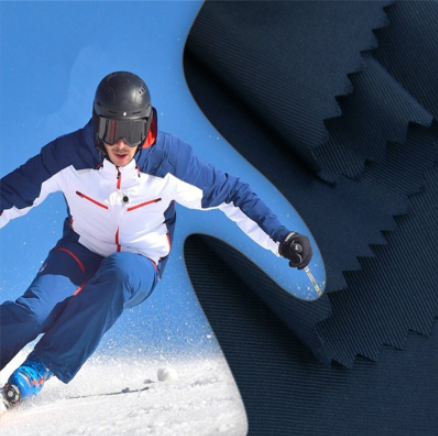
In the competitive world of outdoor apparel, the choice of fabric can make or break product performance and brand reputation. When consumers buy jackets, pants, or accessories designed for hiking, skiing, climbing, or general all-weather use, they expect materials that offer durability, moisture management, thermal regulation, abrasion resistance, and comfort. For manufacturers, suppliers, and buyers, selecting the right outdoor wear fabric is not simply a design choice—it is a strategic decision that influences production cost, performance credentials, and market competitiveness.
This guide offers an in-depth examination of what constitutes the best fabric for outdoor wear. It covers the technical criteria for outdoor textiles, major fabric types, strengths and weaknesses, fabric care, sustainable trends, and procurement guidance for the industry. Whether you are sourcing materials for high-performance alpine gear, general outdoor lifestyle jackets, or workwear, the discussion below is crafted specifically for professionals.
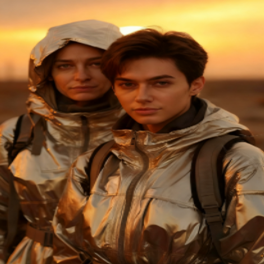
What Defines a Good Outdoor Wear Fabric?
Before delving into specific materials, it is essential to establish the performance attributes that outdoor wear fabrics must fulfill. Not all fabrics are created equal, and the demands of outdoor conditions elevate the importance of certain characteristics.
Key performance criteria include:
- Weather protection: Resistance to wind, rain, and snow while maintaining comfort.
- Moisture management: Wicking away sweat from the body and enabling drying.
- Durability: High abrasion, tear, and snag resistance in rugged conditions.
- Thermal regulation: Ability to insulate in cold and ventilate in warmer states.
- Lightweight portability: Minimal weight and pack size for outdoor mobility.
- Packability: Ability to compress and recover without losing structure.
- Breathability: Allows water vapor from sweat to escape, reducing chill.
- UV- and chemical-resistance: For longevity under the sun and outdoor environments.
- Sustainability: Increasingly important for textile buyers and brands.
A fabric that fulfils these criteria becomes a credible candidate as “the best fabric for outdoor wear” in a given application. However, the “best” fabric is context-specific—it depends on the end-use, climate, budget, and target user.
Major Fabric Types for Outdoor Wear
This section surveys the major fabric families used in outdoor apparel and their relevance in the industry.
-
Synthetic Technical Fabrics (Nylon & Polyester)
Among the most used fabrics for outdoor wear, synthetic fabrics like nylon (polyamide) and polyester remain strong due to their superb performance under outdoor conditions.
- Nylon: Known for excellent abrasion resistance, strong tensile strength, and a lightweight feel. It is widely used in technical jackets, trousers, and backpacks.
- Polyester: Quick-drying, resilient, and generally less expensive than nylon. It performs well in performance garments and mid-layers.
- Ripstop variants: A weave technique applied to these synthetics, offering enhanced tear resistance and reliability in rough conditions.
-
Membrane & Laminate Fabrics
For level-one weather protection (wind and rain), fabrics with waterproof breathable membranes are used.
ePTFE membranes (e.g., GORE-TEX®): Allow water vapour to escape while keeping rain out.
PU lamination: More cost-effective, though often less breathable, used in entry-level outdoor wear.
These technical fabrics form the outer shell layers in many high-end outdoor garments.
-
Natural and Natural-Blend Fabrics
Though synthetics dominate, natural fibers still have relevant roles.
Merino wool: Excellent for base layers, due to its moisture-wicking and odor-resistant properties.
Cotton blends: Comforting for casual outdoor lifestyle wear, but limited for high-intensity or wet conditions.
Natural/natural-blend fabrics are often used in return or sustainable product lines.
-
Specialty Ultralight & Composite Fabrics
Innovations continue to expand the fabric palette.
Silnylon (silicone-impregnated nylon) for tents and ultralight gear.
Recycled synthetics and composites are gaining ground in outdoor apparel sourcing.
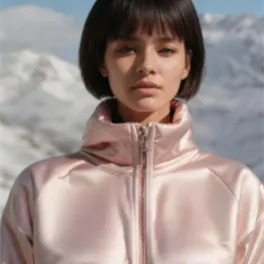
Comparative Table: Outdoor Wear Fabric Types & Key Attributes
| 패브릭 유형 | Strengths | Limitations | Typical Use Case |
| Nylon (plain or ripstop) | Abrasion-resistant, lightweight, strong | Can absorb some moisture, less UV stable | Technical shells, hiking pants |
| Polyester (plain or ripstop) | Quick-drying, cost-effective, durable | Slightly lower strength than nylon | Mid-layers, everyday outdoor jackets |
| Laminated/ Membrane fabrics | Waterproof/breathable, premium performance | Higher cost, complex manufacturing | Rain shells, alpine jackets |
| Merino Wool/Natural blends | Comfort, odor-resistance, natural feel | Lower abrasion resistance, less water-resistant | Base layers, lifestyle outdoor wear |
| Ultralight composites | Very lightweight, specialty performance | Higher cost, less abrasion-resistant | Ultralight gear, niche outdoor segments |
Highlights of Outdoor Wear Fabrics
The core design principle of outdoor wear fabrics lies in balancing functionality and comfort. It not only demands a stylish appearance and excellent texture, but also emphasizes protective performance and durability in various complex environments. Here are the main highlights of outdoor fabrics:
- Waterproof & Breathable: High-quality outdoor fabrics typically employ waterproof membranes or nano-coating technologies, such as Gore-Tex® or TPU membranes, which effectively prevent rainwater penetration while maintaining good breathability, allowing sweat to escape and keeping the body dry.
- Abrasion & Tear Resistance: To cope with high-friction environments such as mountaineering and hiking, outdoor clothing often uses nylon or polyester materials, with ripstop mesh structures woven into the surface to improve fabric strength and lifespan.
- Windproof & Thermal Insulation: Multi-layered composite fabric structures or windproof membrane designs effectively block cold air from entering, while inner insulating materials (such as fleece, down, or hollow fiber) ensure body temperature is maintained even in low temperatures.
- Lightweight & Comfort: Modern outdoor fabrics emphasize lightness and softness, reducing the feeling of weight and improving freedom of movement. Common lightweight technologies include high-density weaving and microfiber processing.
- UV Protection & Stain Resistance: Through special fiber additives or surface treatments, outdoor clothing effectively resists UV damage while also being oil- and stain-resistant, making it easy to clean and maintain its new appearance for a long time.
- Stretch & Weather Resistance: Fabrics containing spandex or using four-way stretch weaving technology provide excellent stretch for outdoor activities; at the same time, weather-resistant finishing ensures that the clothing maintains stable performance in environments such as sunlight, rain, and snow.
Applications of Outdoor Wear Fabrics
Different types of outdoor wear fabrics are widely used in various scenarios and products based on their functional differences, meeting the needs of various outdoor activities:
- Hiking & Trekking: Requires windproof, waterproof, breathable, and abrasion-resistant properties. Commonly used fabrics include ripstop nylon and softshell fabric.
- Skiing & Winter Sports: Requires strong warmth, snow, and water resistance. Commonly used fabrics are laminated waterproof fabric and high-density nylon fleece backing.
- Camping & Exploration: Emphasizes lightweight, quick-drying, and wrinkle-resistant. Common materials include polyester taffeta and functional blends. 4. Running & Cycling: Prioritizing high breathability and elastic support, commonly using elastic mesh fabric and quick-dry knit fabric.
- Urban Outdoor & Travel Wear: Emphasizing a combination of style and practicality. Common fabrics include water-repellent cotton-nylon blends and lightweight composite fabrics.
- Sun Protection & Tropical Activities: Focusing on UV protection, insect repellency, and moisture-wicking properties, using lightweight nylon or polyester fabrics with sun-protective finishes.
How to Choose the Best Outdoor Wear Fabric for Your Product?
From a procurement or product design perspective, choosing the “best” outdoor wear fabric requires a systematic evaluation.
- Define End-Use and Climate Scenario
Cold alpine expedition → heavy membrane shell + fleece mid-layer
Weekend hiking in temperate zones → mid-weight synthetic shell
Lifestyle outdoor wear → natural-blend or natural-feeling synthetics
The fabric must match the user’s environment and activity intensity.
- Match Performance Specifications
Water resistance: Look for a hydrostatic head ≥ 10,000 mm for heavy rain conditions.
Breathability: Measured in g/m²/24h; higher for active wear.
Abrasion resistance: Use Martindale or other standards.
Packability & weight: Especially critical for outdoor gear brands.
- Fabric Construction and Finishing
Weave/ripstop pattern enhances tear resistance.
Durable Water Repellent (DWR) finish promotes water beading.
Lamination or coating methods affect feel and durability.
- Supply Chain and Sustainability
Use recycled polyesters or nylon for environmental credentials.
Certifications such as Bluesign®, OEKO-TEX®, and responsible sourcing matter in B2B deals.
- Budget and Manufacturing Considerations
Higher-end membranes cost more; simpler synthetics are cheaper. The fabric cost must align with the product pricing strategy.
Best Practices for Care & Maintenance of Outdoor Wear Fabrics
To preserve performance and prolong the lifespan, proper care of outdoor fabrics is essential.
Wash using mild detergent; avoid fabric softeners, which reduce DWR performance.
Re-activate DWR coating by low-heat tumble or ironing.
Air-dry away from direct sunlight if possible.
Regularly inspect and repair seam tape or lamination defects.
Proper maintenance ensures the fabric continues delivering the attributes your brand promises to end-users.
Sustainability Trends in Outdoor Wear Fabric
In 2025, Textile and outdoor wear buyers are under mounting pressure to adopt sustainable fabrics. Several key directions dominate:
Recycled nylon and polyester with reduced water and carbon footprint.
PFAS-free DWR finishes for outdoor shells.
Advnture
Natural fiber alternatives and blended fabrics for lifestyle outdoor wear.
Circular economy approaches: take-back programmes, recyclable textiles.
Selecting the right fabric today means considering not only performance but also environmental compliance and brand messaging.
Summary & Recommendation
In the search for the “best outdoor clothing fabric,” the primary consideration should be its intended use. The best fabric type depends on factors such as activity type, climate conditions, user needs, and budget. Nevertheless, high-performance synthetic fabrics, especially those with ripstop and DWR (durable water-repellent) treatments, combined with membrane systems suitable for harsh environments, offer the optimal balance of durability and weather resistance for most outdoor clothing. For lifestyle or sustainable product lines, natural blends and recycled synthetic fabrics are highly attractive options.
In the long run, fabric selection should align with product positioning, cost control, and supply chain sustainability, which will determine a brand’s competitive advantage. Wise choices contribute to enhanced brand reputation and market growth.