コンテンツへスキップ

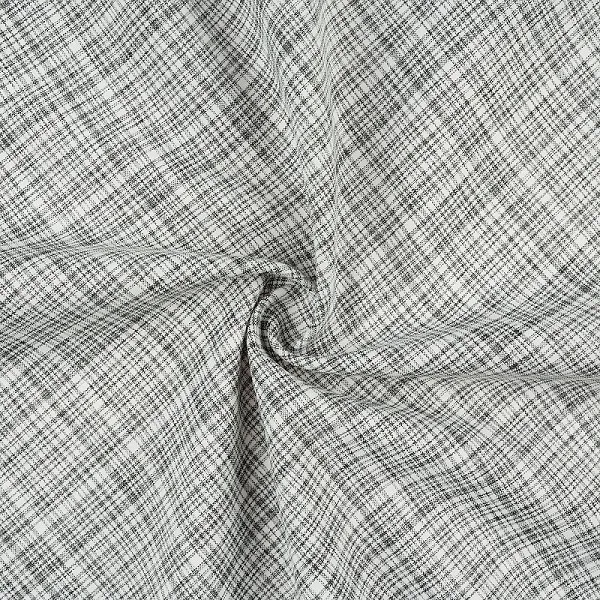
Oxford fabric is a versatile woven textile that can be used for summer and winter applications depending on its fibre composition, weave density, coating treatment, and end-use design. According to the Textile Research Journal and the Woodhead Publishing Handbook of Technical Textiles, the basketweave construction of Oxford fabric provides a balance of durability, breathability, and abrasion resistance. This makes lightweight Oxford fabrics suitable for warm-weather garments, while heavier or coated Oxford fabrics are commonly used in winter outerwear, backpacks, workwear, and outdoor equipment. Therefore, Oxford fabric itself is not strictly a summer or winter fabric; it is a year-round material whose seasonal performance depends on its specifications.
Introduction
When consumers, garment manufacturers, and sourcing professionals discuss performance textiles, a common question arises: Is Oxford fabric suitable for summer or winter? The answer is more nuanced than many people expect. Unlike seasonal fabrics such as linen, which is strongly associated with summer, or wool, which is traditionally linked to winter, Oxford fabric occupies a unique position in the textile industry because it can be designed for year-round use.
Oxford fabric has evolved far beyond its original use in shirts. Today, it is used for outdoor apparel, rainwear, backpacks, tents, luggage, work uniforms, sportswear, footwear, pet products, and industrial textiles. Manufacturers can adjust factors such as yarn thickness, fibre content, weave density, coatings, and finishing treatments to create Oxford fabrics that range from lightweight and breathable to highly durable and weather-resistant.
As global textile markets continue to prioritise functionality, durability, and sustainability, Oxford fabric remains one of the most adaptable woven materials available. Apparel brands, wholesalers, sourcing managers, and consumers need to understand how Oxford fabric performs across seasons to select the right fabric for specific climates and applications.
This comprehensive guide explores the structure, properties, seasonal performance, garment applications, technical specifications, and future trends of Oxford fabric, determining whether it is better suited to summer, winter, or both.
What Is Oxford Fabric?
Oxford fabric is a woven textile characterised by a basketweave structure, in which multiple warp and weft yarns interlace to create a surface that is both durable and flexible.
Originally from Scotland, Oxford cloth was popularised in the 19th century for men’s dress shirts thanks to its durability and distinctive texture. Over time, technological advancements have expanded the use of Oxford fabric into numerous industrial and outdoor applications.
Modern Oxford fabrics may be made from polyester, nylon, cotton, cotton blends, or recycled synthetic fibres. The weave structure remains the defining characteristic regardless of fibre composition.
Key characteristics of Oxford fabric:
- Excellent durability
- High tear resistance
- Abrasion resistance
- Moderate breathability
- Dimensional stability
- Easy maintenance
- Wide finishing compatibility
These characteristics make it suitable for a broad range of environmental conditions.

Understanding the Structure of Oxford Fabric
In order to determine whether Oxford fabric is suitable for summer or winter, it is important to examine its construction.
-
Basket weave construction
Unlike plain weave fabrics, where one yarn passes alternately over and under another, Oxford fabric typically uses a basket weave pattern.
This creates:
- Greater flexibility
- Enhanced durability
- Improved texture
- Better structural integrity
The resulting fabric contains microscopic air spaces that influence its thermal behaviour.
-
Influence of fibre type
The seasonal performance of Oxford fabric depends heavily on the fibres used.
Cotton Oxford generally offers:
- Better breathability
- Natural moisture absorption
- Greater comfort in warm climates
Polyester Oxford typically provides:
- Higher durability
- Better water resistance
- Faster drying
- Improved weather protection
Nylon Oxford often delivers:
- Exceptional abrasion resistance
- Lightweight performance
- High tensile strength
Each variation behaves differently in summer and winter environments.
Is Oxford Fabric Good for Summer?
In short, the answer is yes — certain Oxford fabrics perform very well in warm weather.
-
Breathability advantages
Lightweight Oxford fabrics allow air to circulate through their woven structure.
Benefits include:
- Improved ventilation
- Reduced heat buildup
- Enhanced wearing comfort
- Better moisture management
Compared with heavy synthetic coated fabrics, lightweight Oxford materials remain relatively breathable.
-
Moisture management
Summer clothing requires effective moisture control.
Oxford fabrics can support this through:
- Fibre selection
- Mechanical finishing
- Advanced textile treatments
Cotton Oxford fabrics excel particularly well in absorbing perspiration and promoting evaporation.
Summer Applications of Oxford Fabric
Several apparel categories demonstrate Oxford fabric’s effectiveness in warm weather.
-
Oxford Shirts
The most iconic application remains the Oxford shirt.
Advantages include:
- Breathable structure
- Wrinkle resistance
- Professional appearance
- Longterm durability
Oxford shirts remain popular in business casual and smart casual wardrobes worldwide.
-
Lightweight Outdoor Apparel
Many summer outdoor garments utilize lightweight Oxford fabric because of its durability and comfort.
Applications include:
- Hiking shirts
- Travel clothing
- Fishing apparel
- Utility shirts
These garments benefit from Oxford fabric’s resistance to abrasion and tearing.
-
Sports and Lifestyle Products
Oxford fabric is frequently used in:
- Lightweight bags
- Sports accessories
- Casual footwear
- Travel gear
Its durability makes it ideal for active lifestyles.
Is Oxford Fabric Good for Winter?
Oxford fabric can also perform exceptionally well in winter when engineered appropriately.
-
Thermal Layer Integration
Although Oxford fabric itself is not inherently insulating like wool or fleece, it serves effectively as an outer shell material.
When combined with:
- Fleece lining
- Down insulation
- Synthetic padding
Oxford fabric contributes to highly effective cold-weather garments.
-
Wind Resistance
Higher-density Oxford fabrics provide:
- Wind protection
- Structural stability
- Enhanced weather resistance
These characteristics are highly valuable during the winter months.
-
Water Resistance
Many winter Oxford fabrics receive coatings such as:
- PU (Polyurethane)
- PVC
- TPU
These treatments significantly improve weather protection.
Winter Applications of Oxford Fabric
Oxford fabric appears extensively in winter products.
-
Insulated Jackets
Many insulated outerwear products utilize Oxford fabric as the outer shell.
Benefits include:
- Protection from abrasion
- Water resistance
- Wind blocking capability
- Ski and Snow Apparel
Oxford fabric is commonly found in:
-
Ski jackets
Snow pants
Winter overalls
Its durability is particularly important in harsh environments.
-
Winter Accessories
Examples include:
- Gloves
- Equipment bags
- Protective covers
- Outdoor gear
These products rely on Oxford fabric’s durability and weather resistance.
Comparing Lightweight and Heavyweight Oxford Fabric
| 防水、通気性、防風 | Lightweight Oxford | Heavyweight Oxford |
| Breathability | High | 中程度 |
| 幅 | Low | High |
| Summer Comfort | 素晴らしい | 中程度 |
| Winter Protection | 中程度 | 素晴らしい |
| Water Resistance | 中程度 | High |
| Outdoor Durability | グッド | 素晴らしい |
This comparison illustrates why Oxford fabric can function across multiple seasons.
How Fabric Weight Determines Seasonal Performance
Fabric weight significantly affects comfort and functionality.
-
Common Oxford Fabric Weights
| 生地重量 | Typical Application |
| 100–150 GSM | Summer shirts |
| 150–250 GSM | Casual apparel |
| 250–400 GSM | 作業服 |
| 400–600 GSM | Outdoor gear |
| 600+ GSM | Industrial applications |
Lighter fabrics generally perform better in summer, while heavier fabrics excel in winter.
Oxford Fabric vs Other Seasonal Fabrics
-
Oxford Fabric vs Linen
| プロパティ | 重量 | Linen |
| Summer Comfort | High | 素晴らしい |
| 耐久性 | 素晴らしい | 中程度 |
| シワになりにくい | Better | より低い |
| 水分管理 | グッド | 素晴らしい |
| Winter Use | Possible | Limited |
-
Oxford Fabric vs Wool
| プロパティ | 重量 | Wool |
| Insulation | 中程度 | 素晴らしい |
| 幅 | より低い | より高い |
| 耐久性 | High | 中程度 |
| Water Resistance | Higher (coated) | 中程度 |
| Summer Suitability | Better | Limited |
Technical Treatments That Affect Seasonality
Modern textile finishing dramatically expands Oxford fabric applications.
-
Waterproof Coatings
Common treatments include:
- PUコーティング
- TPU coating
- Silicone coating
These improve winter and outdoor performance.
-
UV Protection Finishes
Summer-focused Oxford fabrics often incorporate:
- UVresistant treatments
- Reflective coatings
- Cooling technologies
These features improve comfort in warm climates.
-
MoistureWicking Treatments
Advanced finishing technologies enhance:
- Sweat transport
- Drying speed
- Comfort during activity
Oxford Fabric in Outdoor Equipment
Beyond clothing, Oxford fabric dominates numerous outdoor categories.
-
Camping Equipment
Applications include:
- Tents
- Sleeping bags
- Canopies
-
Travel Products
Oxford fabric is frequently used for:
- Luggage
- Backpacks
- Duffel bags
-
Protective Covers
Examples include:
- Vehicle covers
- Furniture covers
- Equipment covers
These products often require weather resistance rather than thermal insulation.
Sustainability Trends in Oxford Fabric Production
As environmental concerns grow, manufacturers are adopting more sustainable approaches.
-
Recycled Polyester Oxford
Benefits include:
- Reduced plastic waste
- Lower resource consumption
- Comparable performance
-
EcoFriendly Coatings
Modern alternatives increasingly replace solvent-heavy coatings.
Examples include:
- Water-based PU systems
- LowVOC treatments
-
Extended Product Lifespan
Oxford fabric’s durability contributes to sustainability by reducing replacement frequency.
How to Choose Oxford Fabric for Different Seasons?
-
Choose Lightweight Oxford Fabric If:
The climate is warm
Breathability is important
Garment weight matters
Daily comfort is prioritized
-
Choose Heavyweight Oxford Fabric If:
The climate is cold
Weather resistance is required
Durability is critical
Outdoor exposure is frequent
Market Trends for Oxford Fabric in 2026
Several trends continue shaping Oxford fabric demand.
Performance Apparel Growth
Brands increasingly favor Oxford fabric for:
- Hybrid outdoor apparel
- Utility clothing
- Adventure travel products
- Technical Fashion
Urban consumers seek materials that combine:
Functionality
耐久性
Contemporary aesthetics
Oxford fabric aligns well with these demands.
Smart Textile Integration
Manufacturers are exploring Oxford fabrics with:
- Antimicrobial finishes
- UV protection
- Advanced weatherproof coatings
These innovations further expand year-round applications.
FAQ About Oxford Fabric
- Is Oxford fabric suitable for hot weather?
Yes. Lightweight Oxford fabric, especially cotton Oxford, offers good breathability and comfort in warm conditions.
- Is Oxford fabric warm enough for winter?
By itself, Oxford fabric is not highly insulating, but it works effectively as an outer shell when combined with thermal linings.
- Is Oxford fabric waterproof?
Standard Oxford fabric is not waterproof, but coated Oxford fabrics can provide excellent water resistance.
- What is the best Oxford fabric for outdoor clothing?
Polyester or nylon Oxford fabrics with weather-resistant treatments are generally preferred for outdoor applications.
- Does Oxford fabric trap heat?
Heavyweight Oxford fabrics can help retain warmth when used with insulation layers, while lightweight versions remain relatively breathable.
- Can Oxford fabric be used year-round?
Yes. One of Oxford fabric’s greatest advantages is its adaptability across seasons through variations in weight, fiber, and finish.
Conclusion: Is Oxford fabric for summer or winter?
So, is Oxford fabric suitable for summer or winter? The most accurate answer is that it is a four-season textile. Thanks to its basketweave structure, adaptable fibre compositions, and compatibility with modern finishing technologies, manufacturers can produce Oxford fabrics for a wide range of climates and applications.
Lightweight cotton Oxford fabrics are ideal for summer shirts, travel apparel, and casual clothing thanks to their breathability and comfort. Conversely, heavyweight polyester and nylon Oxford fabrics with protective coatings offer exceptional durability, weather resistance, and structural performance for winter outerwear, outdoor equipment, and technical gear.
In today’s textile industry, seasonality is determined by fabric engineering rather than fabric type. Oxford fabric embodies this principle, offering manufacturers, brands, and consumers a versatile material that can meet summer comfort requirements and winter protection demands. As performance textiles continue to evolve beyond 2026, Oxford fabric will remain one of the most practical and adaptable woven fabrics available on the global market.