Vai al contenuto
Abstract:
The confusion between cotton and popeline comes from a basic misunderstanding of textile terminology: cotton is a fiber, whereas poplin fabric describes a weave pattern that can be made with cotton or other fibers.
According to the definitions of structural textiles outlined in “Textile Science” by Vilma Rissanen, fibers determine intrinsic material properties such as moisture absorption and tensile strength. Weave construction influences surface texture, drape, durability, and visual appearance.
Industry standards referenced by the International Organization for Standardization further clarify distinctions between fiber composition and fabric structure in textile labeling requirements.
This comprehensive 2026 guide explores the technical, structural, functional, and commercial differences between cotton and poplin fabric.
Cotton vs. Poplin: Understanding Fiber vs. Fabric Structure
One of the most common misconceptions in textile terminology is treating cotton and poplin as directly comparable materials. In reality:
Cotton is a natural fiber harvested from the cotton plant.
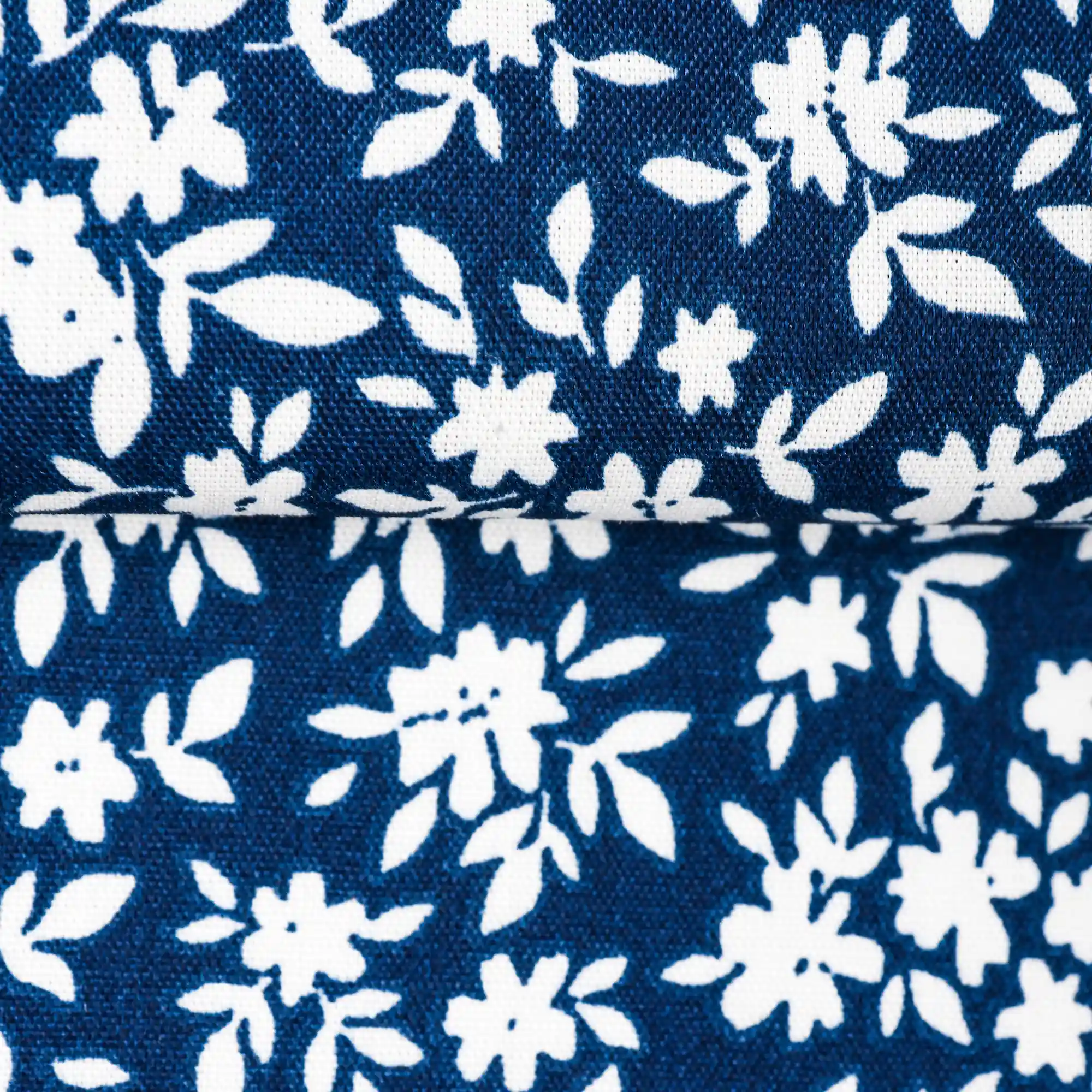
Poplin fabric is a plain-weave textile construction characterized by fine warp yarns and slightly thicker weft yarns, creating subtle ribbing.
In simple terms, cotton responds to the question “What is it made from?” while poplin responds to “How is it woven?”
A poplin fabric can be made from cotton, polyester, silk, wool, or blended fibers.
Therefore, cotton poplin is simply a poplin fabric woven using cotton yarns.
What Is Cotton? Fiber-Level Analysis
Cotton is a natural cellulose fiber made mainly of glucose polymer chains. Its molecular structure provides it with several favorable textile qualities: high moisture absorption, breathability, a soft feel, moderate tensile strength, and biodegradability. The staple length of cotton fibers varies, influencing yarn smoothness and durability. Longer-staple cotton, such as Egyptian or Pima, yields finer and stronger yarns that are ideal for high-quality garments.
Key Fiber Characteristics of Cotton
Moisture regain: 7–8%
It has good dye affinity.
It exhibits moderate wrinkle resistance.
It has shrinkage potential if untreated.
It provides excellent comfort in warm climates.
Cotton’s versatility makes it one of the most widely used fibers globally.
What Is Poplin Fabric? Structural and Weaving Perspective
Poplin fabric is characterized by its weave pattern rather than its fiber composition. It features a plain weave with closely woven warp yarns and marginally thicker weft yarns, leading to:
- A smooth surface
- A fine horizontal ribbed texture
- A crisp feel
- Outstanding durability
- Light to medium weight
Historically, poplin began in Europe and was initially crafted from silk and wool blends. Nowadays, cotton poplin is the most widely used type in shirts, dresses, and uniforms.

Structural Comparison: Cotton Fiber vs. Poplin Weave
Fundamental Differences
| Category | Cotone | Tessuto popeline |
| Classification | Natural fiber | Fabric weave construction |
| Defines | Material origin | Structural texture |
| Can include blends | Yes | Yes |
| Determines softness | Yes | Partially |
| Determines surface texture | No | Yes |
| Example | Cotton yarn | Cotton poplin |
This comparison clarifies that cotton and poplin operate at different classification levels within textile science.
Performance Differences in Garment Applications
When consumers inquire about the difference between cotton and poplin fabric, they often compare comfort, appearance, durability, and maintenance.
- Texture and Hand Feel
The softness of cotton fiber depends on the quality of the yarn. Poplin fabric, no matter the fiber, generally has a smooth and crisp texture because of its tight weave.
Cotton poplin blends natural softness with a crisp structure, making it perfect for shirts and blouses.
- Breathability and Comfort
Cotton naturally allows air to pass through. The breathability of poplin fabric varies based on the fiber type:
- Cotton poplin → Very breathable
- Polyester poplin → Less breathable
- Silk poplin → Breathable but fragile
Therefore, the fiber affects moisture control, while the weave impacts airflow.
- Durability and Shape Retention
Poplin fabric is known for its strength due to its tight weave density. Cotton alone does not guarantee durability—loose cotton weaves can be weaker than tightly woven poplin constructions.
Performance Comparison in Apparel Use
| Caratteristica | Cotton (Generic Fabric) | Cotton Poplin Fabric |
| Surface Texture | Variable | Smooth & slightly ribbed |
| Resistenza alle rughe | Moderato | Slightly better due to weave |
| Durata | Moderato | High |
| Best Use | T-shirts, knitwear | Shirts, dresses |
| Structure | Soft, flexible | Crisp, structured |
Aesthetic Differences
The differences in appearance and feel between cotton (such as generic woven or knit cotton fabrics) and poplin mainly arise from their structure rather than the fiber itself.
- Surface Appearance
Cotton (General Woven or Knit)
May have a matte and soft finish
Often displays visible texture depending on the weave
Jersey cotton offers stretch and a relaxed drape
Twill cotton features diagonal ribbing
Poplin (Plain Weave with Fine Warp Rib)
Has a smooth, tight, and crisp surface
Subtle horizontal rib effect.
Clean, structured appearance.
Slight sheen in finer yarn counts.
Poplin is typically more refined and tailored-looking compared to basic cotton fabrics.
- Drape and Structure.
Cotton (varies by weave):
- Can be soft and fluid (jersey).
- Can be structured (twill, canvas).
- May wrinkle easily.
Poplin:
- Light but structured.
- Holds shape well.
- Crisp hand feel.
- Less stretch (unless blended).
Poplin is frequently selected for clothing that demands a neat silhouette.
- Weight and Hand Feel
Poplin generally is:
- Lightweight to midweight
- Cool and smooth against skin
- Slightly crisp
Cotton fabrics differ greatly:
- Lightweight voile
- Medium shirting
- Heavy denim
Thus, aesthetic comparison largely relies on the type of cotton fabric employed.
- Common Apparel Applications
Cotton:
- T-shirts
- Sweatshirts
- Casual wear
- Denim
- Knit dresses
Poplin:
- Dress shirts
- Blouses
- Uniforms
- Summer dresses
- Lightweight trousers
Poplin projects a more polished, formal aesthetic.

Cost Considerations
Cost differences depend on fiber composition, yarn quality, and finishing.
- Raw Material Impact
If both are 100% cotton:
- Cost differences stem from yarn count and finishing.
- High-thread-count poplin may cost more than basic cotton knit.
If poplin contains polyester:
- It may be cheaper than premium cotton fabrics.
- Fiber quality (long-staple vs short-staple cotton) significantly affects price.
- Manufacturing Complexity
Poplin production:
- Requires a tighter weaving.
- A higher thread count.
- It often undergoes mercerization or finishing.
- Jersey cotton is knitted and allows for faster production.
- It has lower weaving tension.
- It features less structured finishing.
Poplin may have a slightly higher production cost due to its tighter construction.
- Durability and Lifecycle Value
Poplin is durable because of its tight weave.
It holds its shape well.
It is less prone to pilling.
Cotton knit is more prone to stretching.
It may pill over time.
It is comfort-focused rather than structure-focused.
Long-term value is determined by the use case.
- Price Tier Overview
General retail positioning:
- Basic cotton jersey → Budget to mid-range
- High-quality cotton poplin → Mid-range
- Premium mercerized poplin → Upper mid-range
Blended poplin can reduce costs while increasing wrinkle resistance.
Sustainability Analysis
Environmental impact varies based on the fiber source and manufacturing process.
- Cotton Sustainability Factors
Traditional cotton involves high water usage and pesticide-intensive farming.
Organic cotton features reduced chemical inputs and better soil management but has higher production costs.
The Better Cotton Initiative (BCI) programs seek to enhance farming practices.
- Poplin Sustainability Considerations
Since poplin refers to a type of weave, its sustainability depends on the fiber composition.
Cotton poplin has an environmental profile similar to that of cotton.
Polyester poplin uses less water but is petroleum-based.
Blended poplin has a mixed environmental impact.
Implementing closed-loop dyeing and water-efficient finishing processes greatly enhances sustainability metrics.
- Durability and Environmental Impact
Durability influences the sustainability of the lifecycle:
- Fabrics that last longer decrease how often they need to be replaced.
- Tightly woven poplin might last longer than lighter cotton knits.
- Greater durability typically decreases the overall environmental impact per use.
When to Choose Cotton vs. Poplin Fabric?
Selection depends on the garment type, season, and brand positioning.
Choose Cotton When:
✔ You need softness and comfort.
✔ Stretch and flexibility are required.
✔ A casual or athleisure aesthetic is desired.
✔ Breathability is a priority.
✔ Budget sensitivity is high.
Ideale per:
- T-shirts.
- Loungewear.
- Active basics.
- Casual dresses.
Choose Poplin When:
✔ You need crisp structure.
✔ A polished or professional look is required.
✔ The garment must maintain its shape
✔ Lightweight fabric for summer shirts is required
✔ Uniforms or corporate attire are manufactured
Adatti per:
- Button-down shirts
- Office blouses
- School uniforms
- Summer structured dresses
Industry Trends in 2026
Emerging developments in poplin fabric include:
- Stretch cotton poplin (with elastane)
- Wrinkle-free finishing
- Moisture-wicking treatments
- Sustainable dye processes
Fashion brands are integrating functional performance into traditional poplin constructions.
Common Consumer Confusion Explained
Many consumers inquire: “Is poplin superior to cotton?”
The technically accurate answer is: poplin is not a fiber substitute for cotton—it is a weaving technique that can incorporate cotton.
A more precise comparison is:
- Cotton jersey vs cotton poplin
- Polyester poplin vs cotton poplin
Understanding terminology improves purchasing decisions.
FAQ Section
- Is poplin always made from cotton?
No. Poplin fabric can be made from cotton, polyester, silk, wool, or blends.
- Is cotton poplin good for summer?
Yes. Cotton poplin is lightweight, breathable, and structured—making it ideal for warm-weather shirts and dresses.
- Does poplin wrinkle easily?
Cotton poplin wrinkles less than many loose cotton weaves but may still crease without wrinkle-resistant finishing.
- Is poplin fabric durable?
Yes. Its tight plain weave construction makes it strong and long-lasting.
- Which is softer: cotton or poplin?
Cotton refers to fiber softness. Cotton poplin combines fiber softness with structural crispness.
Conclusione
The distinction between cotton and poplin fabric is based on their classification and construction. Cotton is a type of fiber, whereas poplin is a woven fabric. Cotton influences the breathability and softness of the material, while poplin affects its texture, structure, and visual appeal.
When these two are combined as cotton poplin, they create a fabric that is versatile, durable, breathable, and has a refined look, making it popular for both professional and casual clothing.
In 2026, designers, sourcing managers, and textile buyers must understand the differences between fiber and weave to make informed material choices. The appropriate combination of fiber quality and weave structure ultimately influences garment performance, cost efficiency, sustainability, and customer satisfaction.