Skip to content
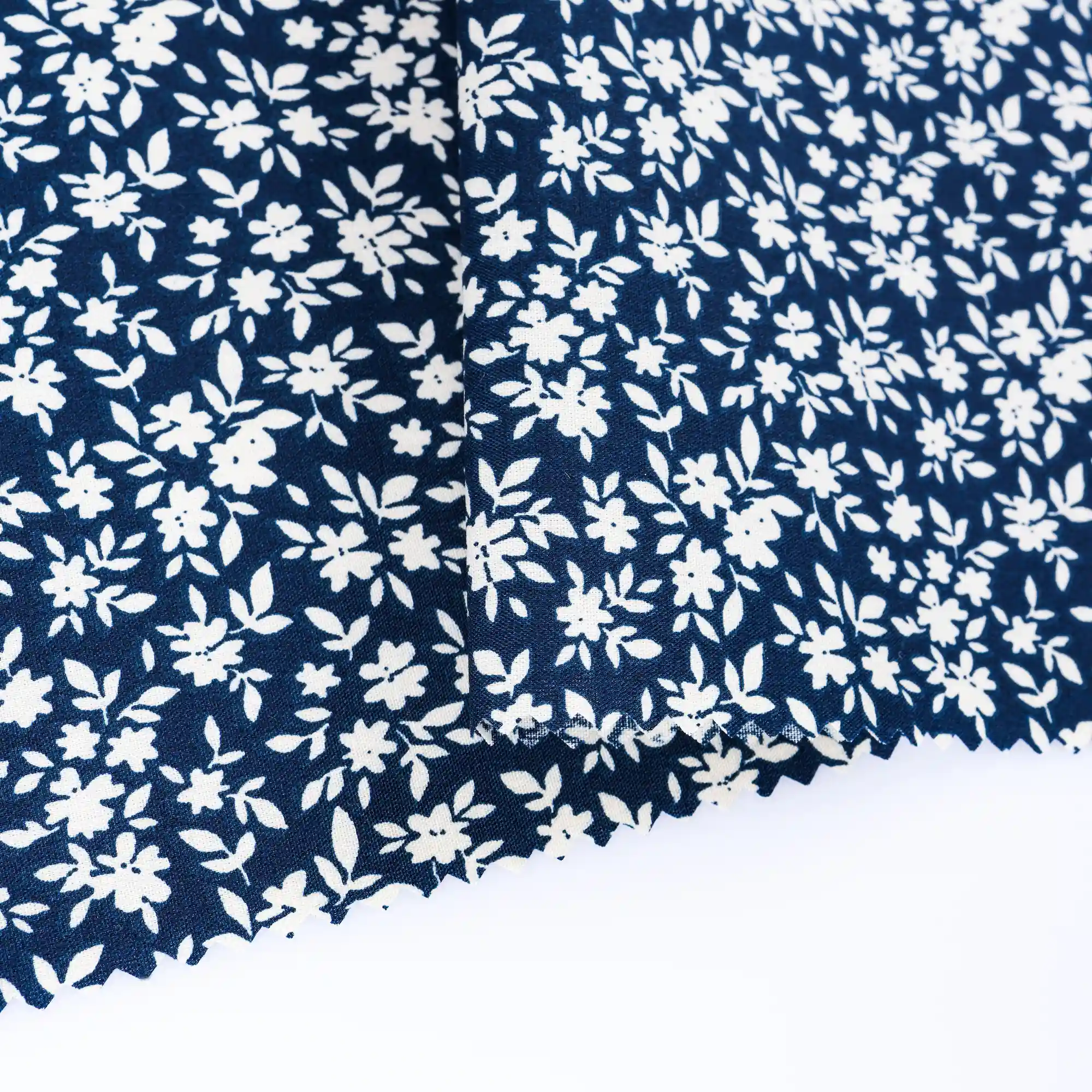
Poplin fabric is not a single type of fabric, but rather a family of tightly woven plain-weave fabrics, defined by their smooth surface, fine crosswise rib, and crisp texture. In today’s textile market, poplin is mainly classified by fibre composition, finish, stretch content, and end use. Examples include cotton poplin, poly-cotton poplin, stretch poplin, printed poplin, and premium long-staple cotton poplin. Textile references such as Kadolph’s Textiles and standard fabric construction guides describe poplin as a plain weave whose performance depends heavily on yarn count, fibre choice, density, and finishing, rather than on the term ‘poplin’ alone.
In other words, the most accurate answer to the question “What are the different types of poplin?” is that poplin varies by material and finishing technology, and it is these differences that determine whether the fabric is best suited to shirts, dresses, uniforms, children’s clothing, linings, or fashion garments that require more stretch and wrinkle resistance.
Introduction: Poplin Is a Structure First, a Fabric Category Second
In apparel sourcing and fabric development, poplin fabric is often considered to be a basic shirting material. However, this description is only partly correct. It is better understood as a construction category: a tightly woven fabric, usually in plain weave, designed to provide a smooth surface, a compact structure, and a subtle ribbed texture across the width of the cloth. Historically, the term ‘poplin’ referred to fabrics made with a silk warp and wool weft, but in modern textile production, it covers a much broader range of fabrics made from cotton, polyester, rayon, silk, blends, and elastane-containing yarn systems.
This broader definition is important because many buyers, designers, and end consumers assume that all poplin behaves in the same way. It does not. For example, a 100% cotton poplin shirt fabric behaves very differently from a polyester poplin uniform fabric, and both behave differently again from a stretch poplin dress fabric used in fitted garments. These differences are evident in breathability, wrinkle resistance, drape, print clarity, dimensional stability, and sewing performance. Therefore, if the goal is to select the right poplin for a product line, it is not enough to sample by ‘look’ alone; it is necessary to understand the specific type of poplin being considered.
What Exactly Is Poplin Fabric?
At its core, poplin fabric is a plain weave characterised by a smooth surface and a slight horizontal rib, created by the relationship between the warp and weft yarns. In many modern constructions, the warp yarns are finer and more densely packed, while the weft yarns are slightly coarser or spaced in such a way as to create the fabric’s signature crispness. The result is a fabric that feels cleaner and more polished than many basic plain weaves, yet lighter and less textured than Oxford, twill, or canvas.
Poplin’s appeal stems from this balance. It is structured without being heavy, smooth without being slippery, and versatile enough for use in shirts, dresses, school uniforms, blouses, linings, and light décor. This is also why poplin is so prevalent in global fabric catalogues: it is one of the most adaptable woven fabrics across multiple fibre systems and price levels. A mill can produce an entry-level polyester-cotton poplin for workwear and, based on the same concept, also develop a premium long-staple cotton poplin for high-end shirting.

How Poplin Types Are Actually Classified?
When textile professionals talk about ‘types of poplin’, they are not usually referring to different weave families in the same way that one would distinguish satin from twill. Instead, they classify poplin according to four practical dimensions:
- Fibre composition: cotton, polyester, silk, rayon, or blends
- Functional modification: stretch poplin, wrinkle-free poplin, easy-care poplin
- Surface treatment and colouration: printed, yarn-dyed, bleached, brushed, or coated
- End-use engineering: shirting poplin, dress poplin, uniform poplin, or lining poplin
This is why the same word ‘poplin’ can be used to describe fabrics that feel very different. While the weave may be similar, the yarn system, finishing process, and intended market can completely alter the fabric’s performance.
The Main Types of Poplin Fabric
1) Cotton Poplin
Cotton poplin is the most recognized and commercially important version of poplin. It is typically woven from 100% cotton or a very high cotton-content yarn system, producing a breathable, crisp, and smooth fabric that works exceptionally well in shirts, blouses, children’s wear, lightweight dresses, and summer garments. Compared with plain cotton broadcloth, cotton poplin often feels slightly firmer and more polished, making it ideal for garments that need shape and a neat appearance without becoming stiff.
The biggest advantage of cotton poplin is its balance between comfort and structure. It breathes better than most synthetic poplins, takes dye and print cleanly, and can be cut into both casual and semi-formal garments. However, it also wrinkles more easily than polyester-rich poplin, and lower-grade cotton poplin can lose crispness after repeated washing if the yarn quality or finishing is weak. For brands that care about natural fiber positioning, cotton poplin remains the benchmark because it offers familiarity, skin comfort, and a classic apparel look.
2) Poly-Cotton Poplin
Poly-cotton poplin blends cotton with polyester, often in ratios such as 65/35 or 60/40, to improve wrinkle resistance, durability, and easy-care performance. This type of Poplin Fabric is widely used in school uniforms, workwear, hospitality garments, medical uniforms, and budget-friendly shirts because it can withstand frequent washing while maintaining a relatively clean appearance.
From a sourcing perspective, poly-cotton poplin is often the most commercially practical option. It reduces ironing needs, lowers shrinkage risk, and usually costs less than premium 100% cotton poplin. The trade-off is tactile: it may feel less breathable and less “natural” than all-cotton poplin, especially in warm climates or on garments worn directly against the skin for long periods. Still, for many buyers, the performance-to-cost ratio is strong enough that poly-cotton poplin remains one of the most common global poplin categories.
3) Polyester Poplin
Polyester poplin is a more technical and utility-oriented member of the poplin family. Because polyester fibers are strong, dimensionally stable, and resistant to wrinkling, polyester poplin is commonly used where low maintenance and long service life matter more than natural softness. It appears in uniforms, event backdrops, promotional textiles, lightweight decorative fabrics, and some outdoor or utility apparel.
Its performance profile is very different from cotton poplin. Polyester poplin usually dries faster, resists creasing better, and holds color well, but it can feel less breathable and may trap heat more easily. For consumer fashion, that can be a drawback. For uniforms or decorative applications, it can be a major advantage. This is a good example of why “types of poplin” should be evaluated by use case rather than by name alone.
4) Stretch Poplin
Stretch poplin adds elastane or spandex—often around 2% to 5%—to a cotton or cotton-rich poplin base. The purpose is simple: keep the clean look of poplin while improving mobility, body comfort, and fit retention. This type of Poplin Fabric is especially common in women’s blouses, slim-fit shirts, fitted dresses, children’s garments, and contemporary uniform programs where comfort and movement matter.
Stretch poplin is a useful reminder that modern poplin is no longer just a classic shirting cloth. By introducing controlled elasticity, mills can turn a traditionally crisp woven fabric into something more ergonomic and body-friendly without sacrificing too much structure. However, stretch poplin also requires more careful patterning and sewing control because recovery, seam behavior, and long-term shape retention depend heavily on elastane quality and finishing chemistry.
Main Types of Poplin Fabric and Their Typical Uses
| Type of Poplin Fabric | Typical Fiber Composition | Key Characteristics | Common Uses |
| Cotton Poplin | 100% cotton or high-cotton content | Breathable, crisp, smooth, comfortable | Shirts, blouses, dresses, children’s wear |
| Poly-Cotton Poplin | Cotton + polyester blend | Easy care, wrinkle-resistant, durable, affordable | Uniforms, workwear, schoolwear, everyday shirts |
| Polyester Poplin | 100% polyester or polyester-rich | Stable, colorfast, quick-drying, low-maintenance | Uniforms, décor, event textiles, utility garments |
| Stretch Poplin | Cotton/poly blend + elastane | Flexible, shape-retaining, more comfortable fit | Fitted shirts, dresses, blouses, modern uniforms |
| Premium Cotton Poplin | Long-staple or extra-long-staple cotton | Smoother hand, cleaner finish, better durability | Premium shirting, upscale dresses, higher-end apparel |
5) Premium Cotton Poplin: Long-Staple, Egyptian, or Pima-Based Poplin
Not all cotton poplin sits in the same quality tier. One of the most important distinctions within the category is fiber grade. Premium poplin is often made from long-staple or extra-long-staple cotton, such as Pima or Egyptian cotton types, which allow mills to spin finer, smoother, stronger yarns. The result is a poplin with a cleaner surface, better drape control, improved softness, and often a more refined finish after dyeing and mercerization.
This matters for brands positioning products in premium shirting, resortwear, or boutique women’s apparel. A higher-end poplin does not just “feel nicer”; it can also perform better in terms of pilling resistance, seam appearance, color clarity, and overall garment longevity. In many sourcing situations, the real difference between a basic poplin shirt and a premium poplin shirt is not the word poplin itself, but the quality of the cotton fiber, yarn spinning, and finishing discipline behind it.
6) Popeline imprimée and Yarn-Dyed Poplin
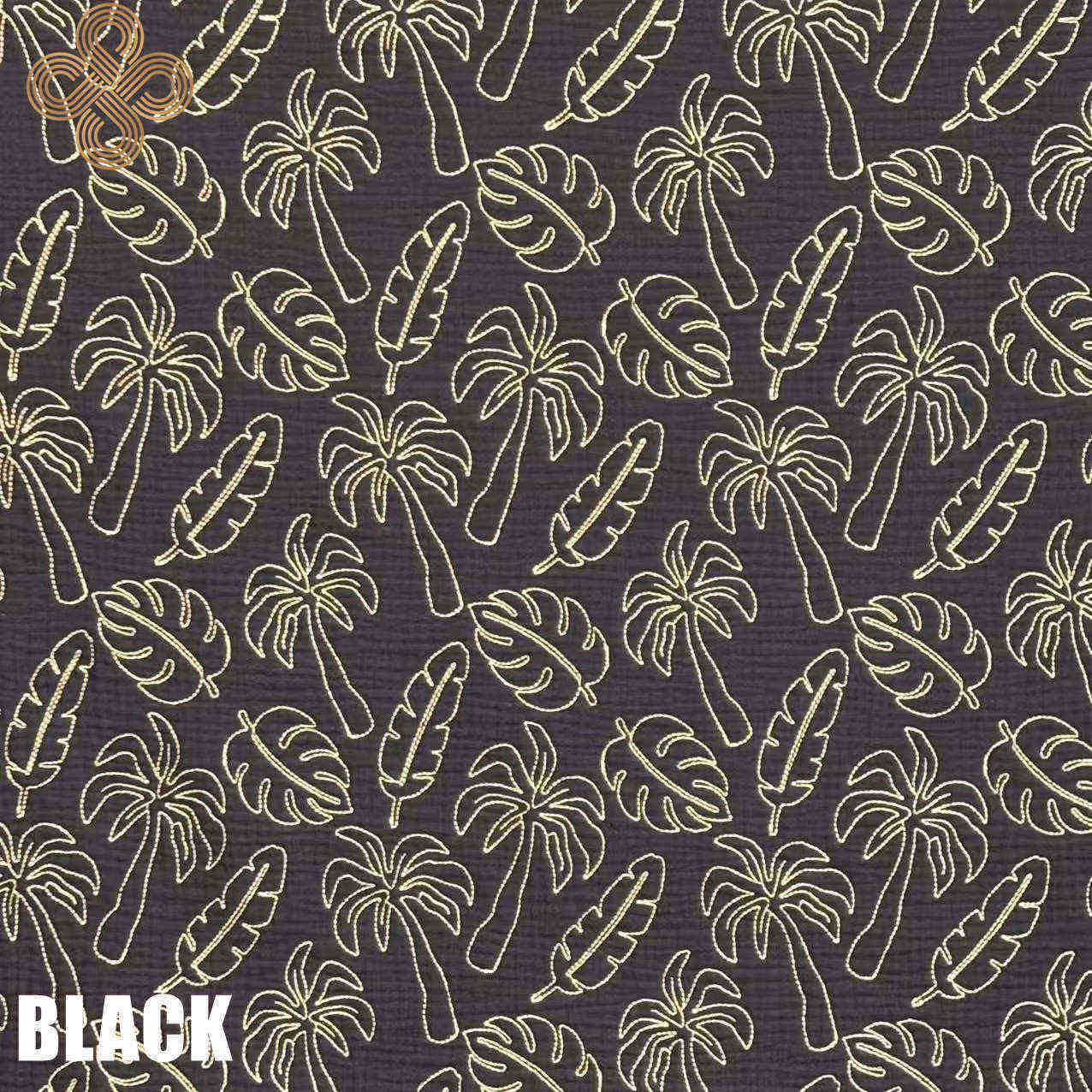
Another important way to categorize Poplin Fabric is by coloration and visual finishing. Printed poplin is widely used for children’s wear, dresses, craft textiles, and seasonal fashion because the smooth and tightly woven surface of poplin holds prints sharply. Florals, geometric motifs, cartoon patterns, and branded repeats all benefit from poplin’s relatively flat, stable face.
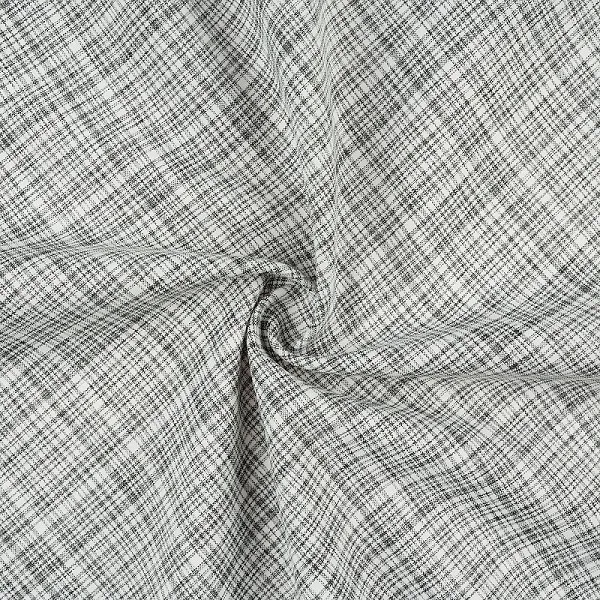
Yarn-dyed poplin, by contrast, is woven from dyed yarns rather than printed after weaving. This is common in stripes, checks, and premium shirting programs where color precision and pattern definition are critical. Yarn-dyed poplin often carries a more tailored or elevated feel because the pattern is structurally integrated into the fabric rather than placed only on the surface. For buyers, the choice between printed and yarn-dyed poplin is not just aesthetic—it also affects MOQ planning, lead time, and perceived garment value.
7) Wrinkle-Free, Easy-Care, and Finished Poplin
Modern poplin development increasingly happens in the finishing department rather than only at the loom. Mills now offer wrinkle-resistant poplin, non-iron poplin, soft-finished poplin, enzyme-washed poplin, and various coated or functional versions designed for specific markets. In technical terms, these are not separate weave categories, but in commercial reality, they behave like distinct product types because the finishing changes the fabric’s end performance so significantly.
For example, wrinkle-free poplin is especially important in office shirting and uniform programs because it reduces maintenance demands for the end user. Soft-finished poplin may be chosen for women’s dresses or baby garments where a gentler hand feel matters more than extreme crispness. These finishing variations are part of the reason poplin remains commercially relevant: it is a very adaptable base fabric that can be pushed toward formality, softness, practicality, or value depending on the treatment route.
8) Silk Poplin and Silk-Blend Poplin
Although modern commercial poplin is dominated by cotton and cotton-rich blends, silk poplin still matters from a historical and luxury-fabric perspective. Historically, poplin was associated with combinations such as a silk warp and a heavier weft yarn, which produced a fabric with a fine rib and a more refined appearance than ordinary woven cloth. In today’s market, pure silk poplin is relatively niche, but silk-blend poplin remains relevant in premium dresses, blouses, luxury linings, and lightweight tailored garments where designers want a crisp silhouette combined with a more elegant surface luster.
Silk poplin differs from cotton poplin in both appearance and behavior. It generally has a softer sheen, a more fluid drape, and a more elevated visual character, but it can also be more delicate, more expensive, and more demanding in care. For that reason, silk poplin is not usually the default choice for mass-market garments; it is more often a design-driven fabric selected for premium capsules, formalwear, or fashion collections that prioritize visual refinement over utility. When brands use silk-blend poplin rather than pure silk, they are often trying to strike a compromise between luxury aesthetics and practical wearability.
9) Rayon Poplin and Viscose-Rich Poplin
Another increasingly relevant type of Poplin Fabric is rayon or viscose-rich poplin. This category is important because it shifts poplin away from its classic crisp, shirt-like personality and toward a softer, more fluid fashion fabric. Rayon poplin usually feels smoother and drapier than standard cotton poplin, and it can deliver a more elegant fall in dresses, blouses, skirts, and lightweight fashion separates.
From a product-development standpoint, rayon poplin is attractive when the design brief calls for the visual neatness of poplin but the hand feel of a softer, more feminine woven fabric. The trade-off is performance. Rayon-rich fabrics often wrinkle more easily, may lose some dimensional stability when wet if not properly finished, and can require more careful handling in sewing and laundering. Still, in fashion segments where drape and softness matter more than rigid crispness, rayon poplin fills a useful gap that standard cotton poplin does not always cover.
10) Specialty Poplin: Organic, Sustainable, Performance, and Functional Poplin
The poplin category is also evolving in response to broader textile market trends. Today, many mills and garment brands are no longer selling only “plain poplin”; they are offering organic cotton poplin, recycled-blend poplin, moisture-managed poplin, anti-static poplin, and even UV-resistant or antimicrobial-finished poplin for specific end uses. These are not classic textbook subtypes, but they absolutely count as modern commercial types of poplin because buyers increasingly source by sustainability profile and function rather than by weave name alone.
For example, an organic cotton poplin shirt fabric may be selected not because it behaves radically differently from standard cotton poplin, but because it aligns with a brand’s environmental positioning and traceability standards. Likewise, a performance poplin used in hospitality uniforms may include moisture-management or soil-release finishes to improve wearer comfort and garment lifespan. In this sense, the future of Poplin Fabric is increasingly hybrid: the fabric is still recognizable as poplin in structure, but it is differentiated by chemistry, certification, and end-use performance rather than by weave construction alone.
Poplin vs Other Similar Fabrics: Why the Distinction Matters
One of the main reasons why people search for ‘different types of poplin’ is that poplin is often confused with broadcloth, twill, Oxford, and even plain shirting fabric in general. This confusion is important because mistakes in fabric selection often happen at this stage: a buyer knows the desired end use — for example, a breathable shirt or clean dress fabric — but chooses the wrong woven structure because several similar-looking fabrics are available.
In many markets, the terms ‘poplin’ and ‘broadcloth’ are used loosely or even interchangeably, but ‘broadcloth’ often emphasises a very smooth, dense plain weave with fine yarns and minimal visible texture. Poplin typically has a slightly more noticeable crosswise rib and a crisper feel. While the distinction is not always rigid, in sourcing practice, poplin is often chosen when a little more body and structure are desired.
Poplin vs. Oxford: Oxford cloth is generally more textured and casual-looking, often woven with a basket-like structure or visible yarn contrast. Poplin is smoother, flatter, and more formal in appearance, which is why it remains a classic fabric for dress shirts and uniforms.
Poplin vs twill: Twill fabrics have a diagonal weave and often a softer drape or heavier texture, depending on their construction. By contrast, poplin is a plain weave with a cleaner visual appearance. If the goal is a crisp shirt, a school uniform, or a lightweight, structured dress, poplin is often a better choice than twill.
The key takeaway is that poplin should be chosen for its smoothness, crispness, and versatility, rather than simply because it is ‘a woven cotton fabric’.

How to Choose the Right Type of Poplin Fabric?
Selecting the right poplin fabric is less about memorising names and more about matching the fabric’s characteristics to the product’s intended use. The decision-making process of a sourcing manager choosing fabric for a school uniform is completely different from that of a designer developing a premium capsule shirt. The same applies to a children’s clothing brand, a hospital uniform supplier, or a fashion label launching a range of fitted dresses.
The first consideration should always be the intended use. If breathability, a natural feel, and comfort are the top priorities, cotton poplin or premium cotton poplin is often the best choice. However, if wrinkle resistance, easy laundering, and cost efficiency are more important, poly-cotton poplin may be a better commercial option. If the garment requires a body-conscious fit and greater freedom of movement, stretch poplin is usually a better choice than rigid woven poplin. If drape and softness are more important than crispness, rayon-rich poplin may outperform traditional shirting poplin.
The second decision point is price positioning. A budget garment line can rarely justify the use of extra-long-staple cotton poplin, unless the brand is explicitly selling fabric quality as part of its value proposition. Conversely, premium shirting, elevated womenswear, and boutique labels often benefit from investing in finer yarn poplin, as the difference is evident in both the feel and appearance of the garment, as well as its longevity and customer perception.
The third decision point is finishing and care expectations. Wrinkle-resistant or easy-care poplin can significantly enhance customer satisfaction in categories where ironing is considered a burden. In uniforms or travel garments, this may be more important than the fibre content alone.
How to Choose the Right Poplin Fabric by End Use?
| End Use | Recommended Poplin Type | Why It Works | Key Watch-Out |
| Men’s dress shirts | Premium cotton poplin/cotton poplin | Crisp look, breathable comfort, clean finish | Can wrinkle if untreated |
| School uniforms | Poly-cotton poplin | Durable, easy-care, cost-effective | Less breathable than pure cotton |
| Women’s fitted blouses | Stretch poplin | Better mobility and shape retention | Check the elastane recovery quality |
| Summer dresses | Cotton poplin/rayon poplin | Light, comfortable, polished appearance | Rayon versions may wrinkle more |
| Workwear/hospitality uniforms | Poly-cotton or performance-finished poplin | Easy laundering, good durability, practical wear | Finish quality affects lifespan |
| Premium fashion garments | Silk-blend poplin / premium cotton poplin | Refined surface, stronger visual value | Higher cost and more demanding care |
| Children’s printed clothing | Printed cotton poplin | Good print clarity, soft enough, easy to sew | Weight and shrinkage should be tested |
| Craft/home sewing projects | Standard cotton poplin | Stable, easy to cut, easy to print | Not ideal for very fluid drape styles |
FAQ About Poplin Fabric
1) What is poplin fabric made of?
Poplin Fabric can be made from cotton, polyester, silk, rayon, or blends of these fibers. In today’s market, cotton poplin and poly-cotton poplin are the most common types, but stretch and specialty finished poplins are also widely used.
2) Is poplin 100% cotton?
Not always. Some poplin is 100% cotton, but many commercial versions are made from polyester-cotton blends, stretch blends with elastane, or even rayon- or silk-based constructions. “Poplin” describes the fabric type and structure more than a single fiber content.
3) What is the difference between poplin and broadcloth?
They are similar and sometimes used interchangeably, but poplin usually has a slightly more noticeable rib and a crisper hand feel, while broadcloth is often smoother and flatter in appearance. In practice, the distinction can vary by supplier and market.
4) Is poplin good for shirts?
Yes. Poplin is one of the classic shirting fabrics because it is smooth, clean-looking, and easy to tailor into both formal and casual shirts. Cotton and premium cotton poplin are especially popular for dress shirts and blouses.
5) Does poplin wrinkle easily?
It depends on the fiber content and finish. 100% cotton poplin tends to wrinkle more than polyester-rich or wrinkle-resistant poplin, while poly-cotton and easy-care poplin are designed to reduce ironing needs.
6) Is poplin good for dresses?
Yes, especially for structured dresses, shirt dresses, children’s dresses, and styles that need shape rather than heavy drape. Stretch poplin and rayon poplin are often preferred when more comfort or fluidity is needed.
Conclusion
The most accurate answer to ‘What are the different types of poplin?’ is that poplin fabric is a broad woven category whose properties change significantly depending on fibre content, finishing technology, and intended use. Examples of poplin include cotton poplin, poly-cotton poplin, polyester poplin, stretch poplin, premium long-staple cotton poplin, printed poplin, silk-blend poplin, rayon poplin, and performance-finished poplin. However, they do not perform in the same way in real garments.
This is precisely why poplin remains so commercially important. It is not a one-note fabric, but rather a highly adaptable woven base that can be used for premium shirting, school uniforms, fitted blouses, dresses, children’s clothing, workwear, and even sustainability-focused collections. The key for buyers, designers, and garment brands is not simply to ask for ‘poplin’, but to specify which type of poplin is required for which product and under what wear and care conditions.
In practical terms of sourcing, the best poplin is not necessarily the most expensive or the softest — it is the one whose structure, fibre system, finish, and price point align with the product’s intended use. This distinction turns poplin from a generic fabric label into a smart material choice.